


Solar Power for Small Acreage Owners
Why Solar Power Makes Sense

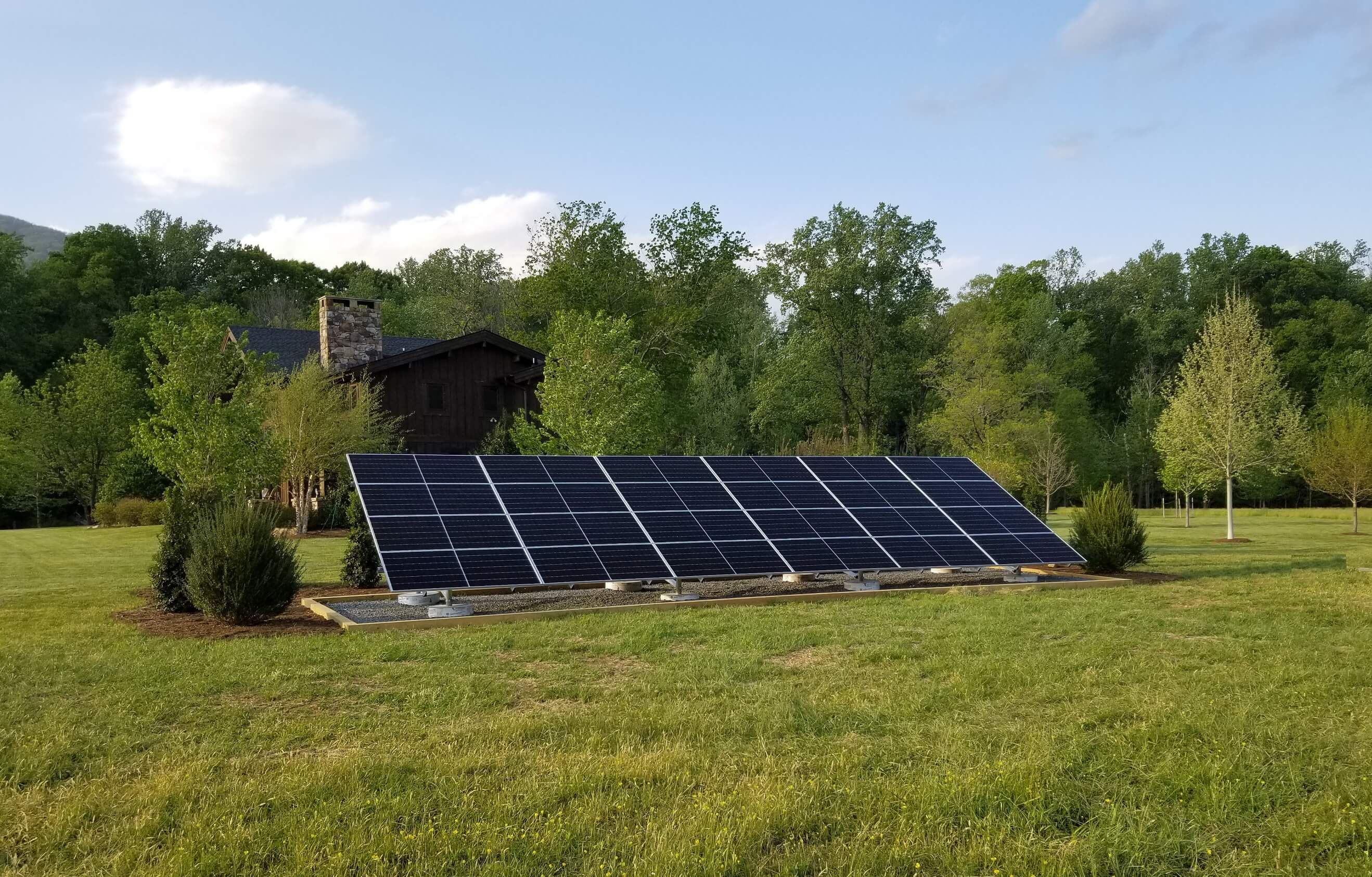
In 2026, solar power has become more affordable, efficient and accessible than ever before, making it an increasingly popular choice for small-acreage owners. With benefits such as energy independence, cost savings and reduced environmental footprint, solar power is transforming how rural properties operate.
Solar energy production has grown by an average of 25% annually in the last decade, according to the Solar Energy Industries Association (SEIA). This surge is driven by technological advancements, tax incentives and the need for reliable energy in areas where grid instability is common. For small-acreage owners, solar power offers a practical solution to powering their homes, barns and equipment while reducing reliance on traditional energy sources. This is invaluable when you lose power during a storm.
ROI: How Solar Saves You Money
Investing in solar power is not just about sustainability; it’s also a wise financial decision. Here’s how small-acreage owners can benefit:
Tax incentives and rebates: The Federal Investment Tax Credit (ITC) provides a 30% tax credit on system costs, and many rural utilities offer additional incentives. This rate was reinstated and extended through 2032 as part of the Inflation Reduction Act (IRA) passed in 2022.
Reduced utility bills: By generating your own power, you can significantly lower your monthly energy expenses.
Sequoya Cross, a leader in the renewable energy industry and vice president of energy storage for Briggs & Stratton Energy Solutions, tells AcreageLife that solar and battery storage provide resilience and ongoing operation. “This makes small-acreage owners less dependent on the grid. It’s also a way to reduce costs by offsetting electrical usage from the grid,” said Cross.
Practical Applications for Small-Acreage Owners
Solar power offers versatile and practical solutions for small-acreage properties, making it an invaluable tool for both daily operations and long-term sustainability. Here are some of the most impactful ways small-acreage owners can use solar power:
Powering Agricultural Equipment
Solar energy can be used to charge electric tractors, water pumps and other essential farm equipment. This is especially beneficial for small-acreage owners looking to reduce their reliance on traditional fuels.
“I’ve helped farm owners install large solar arrays to power their electric tractors and cars. Solar can also be used for deep well pumping or surface pumping to irrigate gardens or fields,” shared Cross.
For irrigation, solar panels can be paired with 12- or 24-volt pumps to efficiently move water.
Cross tells AcreageLife that, “Water pumping is one of the simplest systems you can do with solar. A couple of solar panels on a ground or pole mount can power a pump to irrigate your property or move water uphill.”
Heating and Ventilation
Excess solar energy can be diverted to heat livestock barns or chicken coops, ensuring animals stay warm during colder months. Ventilation is another key application, as solar can power intake and exhaust fans to maintain airflow in barns or sheds.
“Solar is great for powering ventilation fans. You can hook solar panels directly to a DC fan, which will run during the day when the barn gets warm, moving air throughout the facility at no cost,” said Cross.
Backup Power for Emergencies
Solar systems paired with battery storage provide reliable backup power during outages. Batteries store energy generated during the day, ensuring power is available at night or during emergencies.
“If there’s an outage, the system will automatically switch over to battery backup and continue to power the loads in your home or barn. Batteries can also be charged by your solar panels, providing a seamless energy solution,” added Cross.
Electric Fencing and Gates
Solar panels are an excellent solution for powering electric fences and gates, especially in remote areas. During the day, solar panels can charge a battery, which then powers the fence or gate at night when predators are most active.
“If you want to keep a fence electrified throughout the evening, you’ll need a battery attached to the solar system. The solar charges the battery during the day, and the battery powers the fence at night,” Cross explains.
Charging Electric Vehicles and Equipment
For small-acreage owners with electric vehicles (EVs) or battery-powered farm equipment, solar power can provide a cost-effective, sustainable charging solution. By installing a solar array with sufficient capacity, you can keep your equipment charged and ready to go without relying on the grid.
Lighting and Small Tools
Solar power is perfect for running lights and small tools in workshops, barns or remote areas of your property. Portable solar kits, such as those from Goal Zero, are especially useful for powering lights or charging devices in areas without easy access to electricity.
Top Brands and Kits to Consider
When it comes to solar power, choosing the right product is key.
“There's a lot of really great resources out there, like solarreviews.org. They can provide references to installers, and they can also give you an idea of what you might pay an installer in your area. Warranty is another thing. If you get a bid from an installer, look at the equipment. It's not just about a kit. Look at the brand names that they've quoted to you. Go to those manufacturers’ websites and make sure they have a solid warranty because that’s really important,” said Cross.
Here are some of the best brands and kits tailored to small-acreage needs:
Goal Zero
- Small-scale kits: Goal Zero specializes in portable solar kits such as the Yeti power stations paired with Nomad or Boulder solar panels.
- Use case: Perfect for temporary or mobile power needs, such as powering tools or small appliances in remote areas.
- Return on investment (ROI): These systems are more suited for convenience and mobility rather than long-term energy savings, but they can offset costs for portable power needs.
Renogy
- Small-scale kits: Renogy offers DIY-friendly kits such as the 100-watt solar starter kit, which is ideal for small-scale setups.
- Use case: Great for powering barns, workshops or irrigation systems with a more permanent setup.
- ROI: A 100-watt system can generate around 400 to 500 kilowatt-hours annually, potentially saving $50 to $100 per year depending on electricity rates.
EcoFlow
- Small-scale kits: EcoFlow provides solar generators such as the Delta Pro paired with portable solar panels.
- Use case: Excellent for backup power during outages or running essential equipment such as water pumps or electric fences.
- ROI: While primarily designed for backup power, these systems can save on generator fuel costs and provide peace of mind during emergencies.
Jackery
- Small-scale kits: Jackery offers compact solar generators such as the Explorer series paired with SolarSaga panels.
- Use case: Ideal for small, everyday tasks including powering lights or charging devices.
- ROI: These systems are more about convenience and portability, with limited direct energy savings but significant value for off-grid or emergency use.
Solar power has become more affordable, efficient and accessible, making it a popular choice for small-acreage owners. With benefits such as energy independence, cost savings and a reduced environmental footprint, solar is transforming rural operations.
--
Expert Tips for Choosing the Right Solar Setup
Selecting the right solar system can feel overwhelming, but a few expert tips can simplify the process.
- Start by assessing your energy needs. Determine whether you want to power your home, barn or specific equipment.
- Consider space and mounting options, as panels can be roof-mounted or ground-mounted. If you’re opting for ground-mounted panels in a livestock field, Cross advises putting a fence around them. “Livestock love to rub against solar panels, and goats might even jump on them!”
- Investing in quality equipment is also crucial; avoid cheap, unreliable products. Cross emphasizes, “The biggest mistake people make is looking for something inexpensive. Always choose reputable brands with solid warranties.”
- Finally, work with professionals, such as licensed electricians or solar installers, to ensure proper setup and long-term support.
Tags:Tool Time











Acreage Life is part of the Catalyst Communications Network publication family.