



A Homeowner’s Guide to Mid-Season Zero-Turn Mower Care
Simple Maintenance Habits to Improve Performance, Cut Quality & Reliability

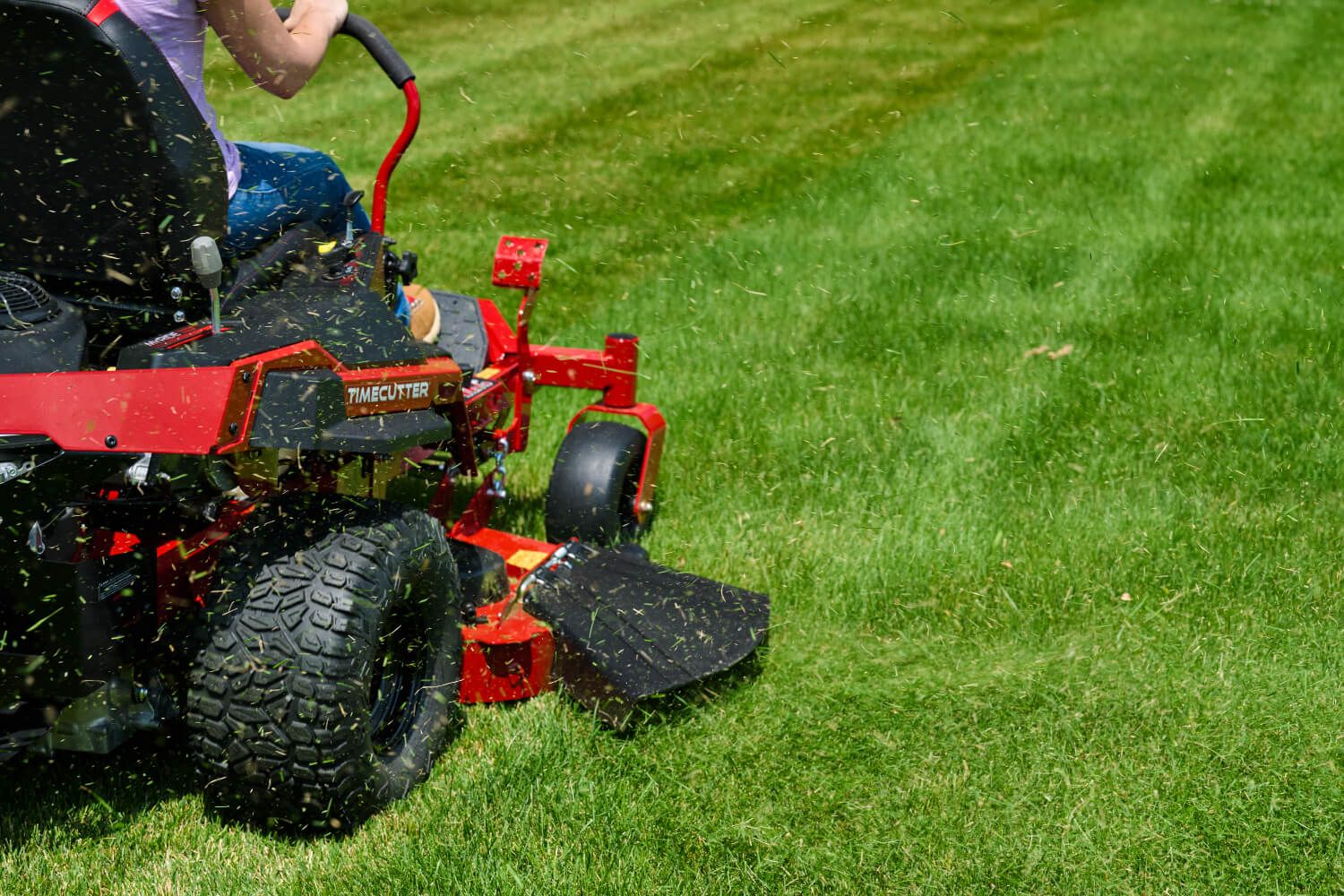
After the first few months of the mowing season, your zero-turn mower has already put in real work. But as the season wears on, temperatures climb, grass gets thicker and dust and debris build up faster. This is when small, routine maintenance habits begin to matter most. Paying attention to how your zero-turn mower is performing and making a few simple adjustments as needed can help prevent costly mid-season breakdowns.
Avoid Letting Things Heat Up
Excess heat can shorten the lifespan of your zero-turn mower’s engine, drive system and cutting deck spindles. Summer heat is just one factor to worry about. Most common issues are due to restricted air flow, poor maintenance or a heavy workload.
When grass clippings and dust collect around the machine, airflow diminishes and operating temperatures climb without much warning. To ensure proper cooling, inspect and clean the grass screen, cooling fins and other external surfaces of the engine as well as transmissions and the deck after each use.
Cleaning doesn't have to be complicated. Using a blower or compressed air to remove debris is usually enough. Avoid spraying water directly onto hot components, as sudden cooling can cause damage.
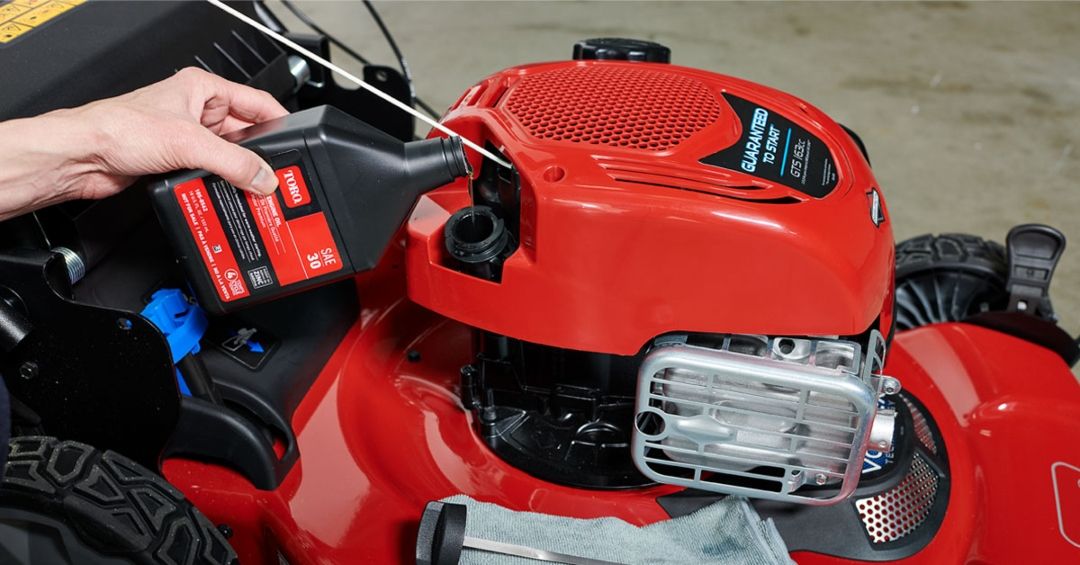
A quick oil check can help the mower run cooler as well. If the oil is too low, too old or is contaminated, it can lose its viscosity, which creates friction, and friction leads to heat. Try to check oil levels before each use.
Regularly inspect your air filter, as it can become clogged rather quickly. A blocked filter can reduce performance and create heat, which can cause serious issues. Checking the filter before operating your equipment keeps everything running efficiently and can help you avoid costly repairs in the future.
Heat builds when the zero-turn is overloaded. You can help prevent this by avoiding cutting wet, thick grass too quickly. If the mower starts to get bogged down, lower its speed or raise the deck height.
The cooler the machine operates, the less strain it puts on internal components and the more reliable it stays through the long summer mowing season.
Maintain Cut Quality, All Summer Long
Even a mower that seems to run fine can start leaving uneven stripes or ragged edges. Blades that are no longer sharp, deck components that shift slightly or tires that have lost pressure all affect the final result.
Before each mow, perform a visual inspection to check tire pressure, the deck level and blade sharpness. When checking tire pressure, refer to the operator’s manual for the correct pounds per square inch (PSI). If the tires are too low or too high, it changes the deck angle and can lead to uneven stripes and scalping. The deck should be level side to side and slightly lower in the front than the back.
If you find your blades are dull and you don’t have experience sharpening or replacing blades, it’s best to take your mower to your local dealer. They can help service your mower and give it a good once-over to ensure everything runs smoothly.
Staying on top of these small adjustments keeps cut quality consistent and helps your mower perform the way it should throughout the season.

Don’t Let Small Problems Turn Into Big Repairs
If your mower begins having issues, it has likely been dropping hints for a while. Many mid-season problems start as small performance issues that are easy to overlook. Pay attention to new vibrations, uneven cutting results, unusual noises when engaging the blades or changes in how the mower handles during operation.
A quick scan after finishing a job helps catch problems early. Walk around the mower and check for grass or debris buildup around the deck and transmission, look for loose or damaged belts and hardware, confirm tires are properly inflated and note anything that looks or sounds different than normal. Performing this brief check regularly helps catch minor issues before they interrupt mowing during the busiest stretch of the season.
Check, Check & Check
Keep things simple with this quick pre-mow inspection checklist, designed to save you time and avoid unnecessary expenses:
Pre-Mow Inspection Checklist
- Oil level within range
- Air filter is clean and free of debris
- Tire pressure even and at spec
- Walkaround for leaks, loose parts or visible damage
- Blades and deck free of damage, heavy buildup or debris
- Large debris cleared from under the deck
Mid-season mowing should be when you’re hitting your summertime mowing stride. By monitoring how your mower runs, watching for small warning signs and taking a few minutes to clean and adjust components, you can enjoy the ride and prevent minor issues from becoming major repairs. A cooler, cleaner zero-turn mower not only lasts longer but also delivers a more consistent cut through the hottest months of the year. As summer mowing ramps up, a little extra care now helps ensure your mower is ready for every pass across the lawn, all summer long.
Tags:Tool Time














Acreage Life is part of the Catalyst Communications Network publication family.