



Building a Predator-Resistant Garden Fence
Keep Common Culprits Like Deer Out for Good

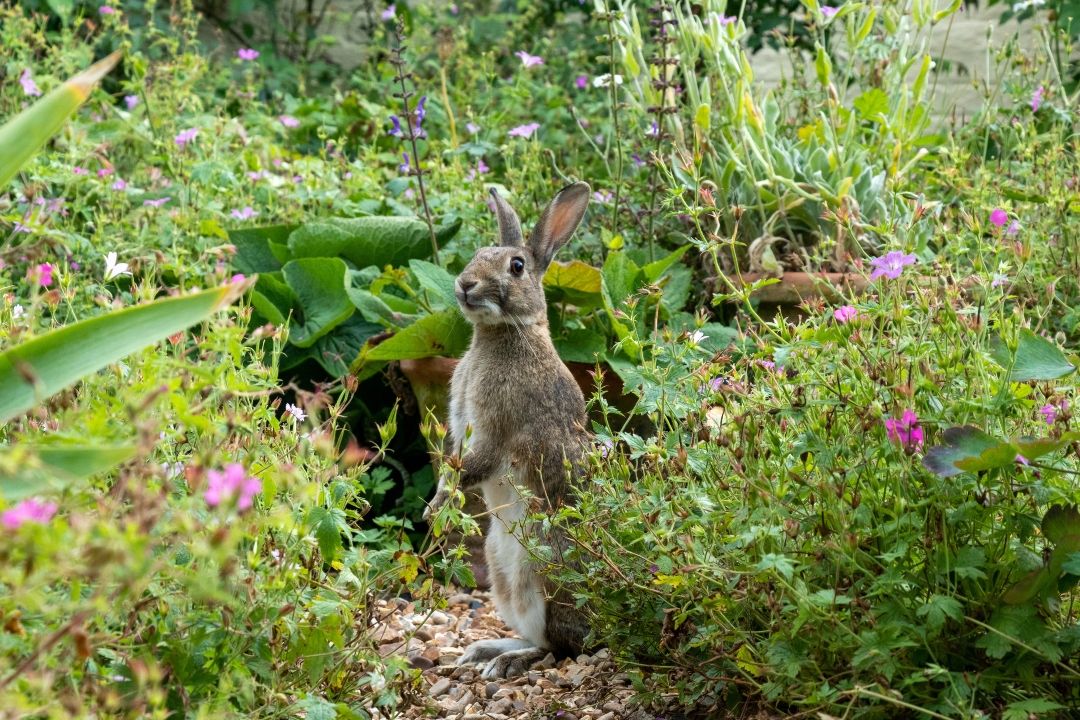
You’ve poured hours into nurturing your garden. From sowing seeds to daily watering, you've watched your plants (dahlias!) grow with pride. Then, one morning, you discover your hard work has been undone overnight.
Flattened lettuce, half-eaten tomatoes and uprooted seedlings are the tell-tale signs of a nighttime visitor. Keeping wildlife from feasting on your veggies and flowers is a common challenge for gardeners, but a well-designed fence can be your best line of defense. You can get creative, but most experts agree on the basics!
Before you begin building your fence, it's essential to do some research and planning.
David Joles, COO of PURCOR Pest Solutions, told AcreageLife Magazine, the first thing you want to do is figure out what specific pests are the main concerns for you. “Research which pests are most common in your area, as well as the main pests that the plants you’re growing are specifically known to attract. This can help you determine which type of fencing might be most effective. For example, if deer are the primary concern, you might want to install a tall wire-mesh fence that keeps them from accessing the plants. But, if groundhogs are a primary concern, you may want to really focus on burying the fence deep so that they can’t get to your plants through underground tunnels.” This step makes sure you’re not only addressing current issues but also proactively preventing new intruders as your garden evolves.
Steve Corcoran, CEO of Lawn Love, emphasizes practicality and agrees with other experts, “Two tips I have are to install the fence deep and build it high. Certain animals can burrow underground and reach your plants, so if you only have above-ground fencing, you may not be fully protecting them. Also, building it high helps make sure that your plants have plenty of room to grow and that you don’t have to build a brand new fence eventually as they get to be too big.”
For larger animals, strong materials and construction are crucial. Chris Solita from Baker Tubulars tells AcreageLife that when it comes to protecting gardens and small farms from deer, the key is to build a fence that serves as a true physical barrier, not just a visual deterrent. “Deer can easily clear low or lightweight fencing, so height and post strength matter. We often see the best results with fencing systems seven to eight feet tall, supported by properly set steel pipe posts. Used structural pipe is especially cost-effective because it offers the same strength and durability as new pipe at a lower price point. When installed correctly, it creates a rigid framework that holds mesh or wire panels firmly in place for years.”
Understanding Your Garden Foes
Before you can build an effective barrier, you need to know what you’re up against. Different animals use different methods to get into your garden. A fence that stops a rabbit won’t do much to deter a deer, and an armadillo presents its own unique challenge.
Deer: These graceful animals are expert jumpers. They can clear surprisingly high obstacles from a standstill. They are also creatures of habit and will return to a reliable food source.
Rabbits: Small and nimble, rabbits are skilled at squeezing through tiny gaps and digging under shallow barriers. They target tender shoots, leafy greens and ground-level vegetables. These sweet creatures will devour all your tubers.
Armadillos: These armored diggers are less interested in your plants and more interested in the grubs and insects in your soil. Their powerful claws can quickly uproot plants and disrupt your garden beds as they search for a meal.
Identifying the specific predator or predators plaguing your garden is the first step toward creating a targeted and effective fencing solution.
Other critters to be aware of: groundhogs (woodchucks), squirrels, raccoons, mice and rats as well as birds.
Choosing the Right Fencing Materials
The material you choose will impact your fence's durability, effectiveness and appearance. There are several options to consider, each with its own set of pros and cons.
Metal and Wire Fencing
Metal options are among the most popular for their strength and longevity.
Welded Wire: This is a strong, rigid option, often galvanized or vinyl-coated to resist rust. The grid pattern is effective at keeping out a wide range of animals, from small rabbits to larger pests. The smaller the grid opening, the more critters it will block.
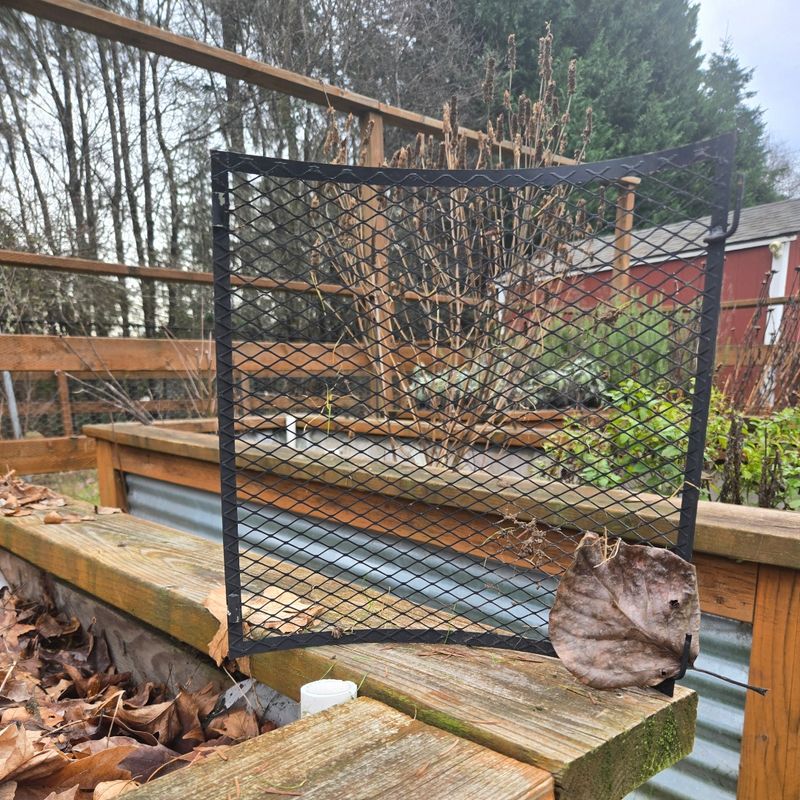
Hardware Cloth: For maximum protection against small animals, hardware cloth is an excellent choice. This is a very fine, sturdy wire mesh that can be attached to the base of any fence. It's perfect for blocking rabbits, voles and other burrowing pests.
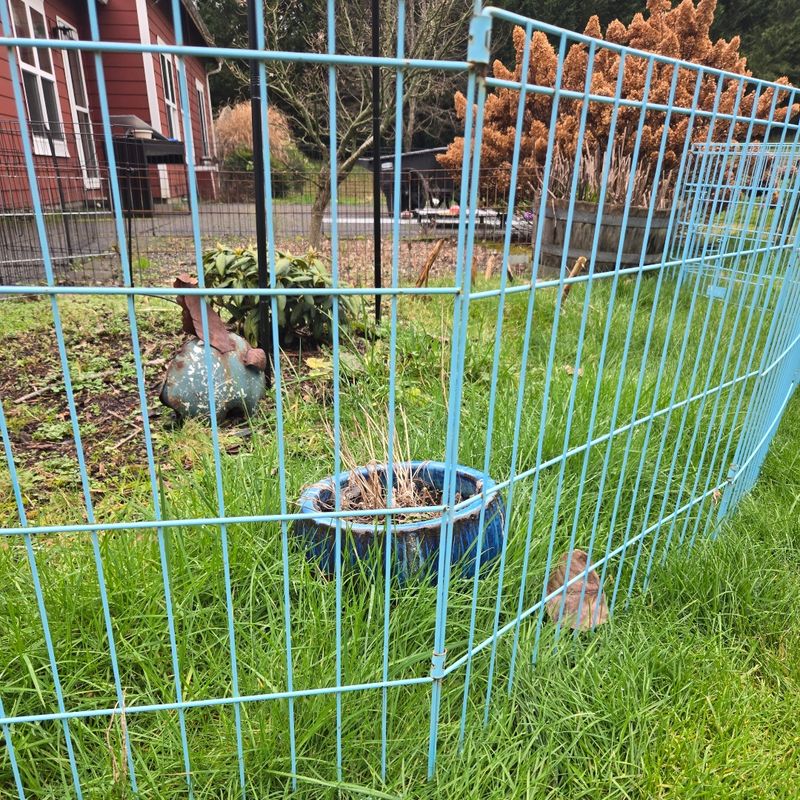
X-pens: X-pens are lightweight and easy to move, making them ideal for protecting specific areas of your garden or rotating coverage as needed. You can place them around vulnerable plants or newly planted seedlings to shield them from pests like rabbits or groundhogs.
Chicken Wire (Poultry Netting): While affordable, chicken wire is a less durable option. It can deter rabbits but is easily damaged by larger animals like deer or even determined raccoons. It is best used as a temporary solution or as a supplement to a sturdier fence.
Wood Fencing
Wood offers a classic, aesthetic appeal and can be highly effective when designed correctly, but it's pricey.
Solid Privacy Fences: A tall, solid wood fence can be a great deer deterrent, as they are often hesitant to jump over a barrier when they can't see the landing area. However, this is a more expensive option and may not be necessary unless you also desire privacy.
Picket Fences: A traditional picket fence can keep rabbits out if the spacing between pickets is narrow enough (less than three inches). However, it won't stop deer unless it's exceptionally tall.
Plastic and Polypropylene Fencing
Modern plastic fencing can be a cost-effective and easy-to-install choice.
Polypropylene Deer Fencing: This black plastic mesh is designed to be a visual barrier for deer. It is lightweight, UV-resistant and blends into the landscape, making it less obtrusive than metal or wood. While not as strong as wire, it's often sufficient to discourage deer from entering.
The Importance of Height and Depth
A fence or raised bed is only as good as its dimensions. The height and depth must be tailored to the animals you want to exclude.
For Deer: To reliably keep deer out, a fence should be at least eight feet tall. While this might seem high, a motivated deer can easily clear a six-foot fence. Alternatively, you can install two parallel fences, each about four to five feet tall and four to five feet apart. Deer have poor depth perception and are reluctant to jump into confined spaces.
For Rabbits: A fence (or raised bed) that is two to three feet high is generally enough to prevent rabbits from hopping over it. The main concern with rabbits is digging, not jumping.
How deep should it go?
For Rabbits and Armadillos: To stop burrowing animals, your fence needs to extend underground. (This is where you can use hardware cloth). A common method is to create an "L-shaped" barrier. Dig a trench about six to 12 inches deep along your fenceline. Install the fence and then bend the bottom 12 inches of the fencing outward, away from the garden, to form an L-shape at the bottom of the trench. When animals try to dig down, they will hit this underground wire flap and be deterred. Bury the flap with soil to secure it. This technique is highly effective against both rabbits and armadillos.
Natural and Scent Repellents
Many animals, especially deer, have a sensitive sense of smell that you can use to your advantage.
If you’re looking for an alternative or addition to a traditional fence, consider creating an aromatic barrier using fragrant plants. According to Ciondre Pinnock, owner of Full Cycle Yard Development & Maintenance, an aromatic “fence” built with powerhouse plants can be highly effective, beautiful and more budget-friendly.
Try planting these heavy hitters for your living aromatic fence:
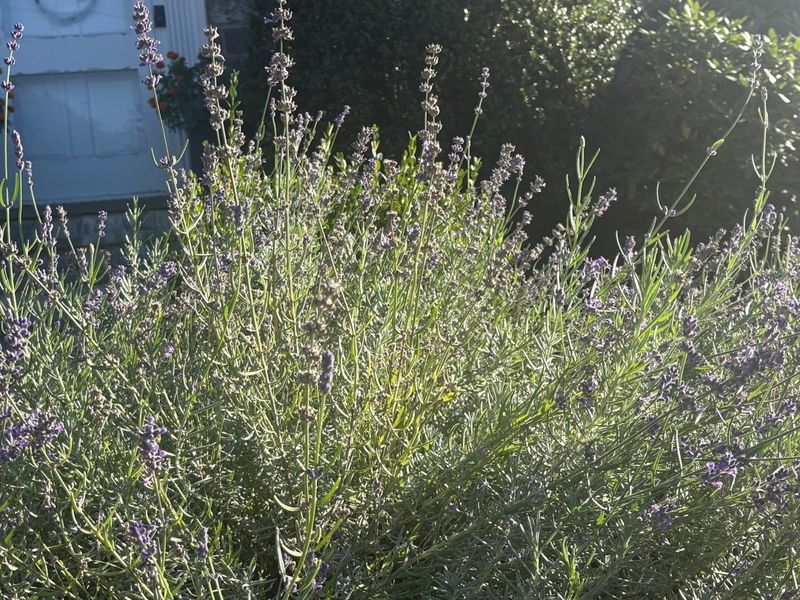
English Lavender: The gold standard for an aromatic shield. While people love its calming scent, deer and rabbits find its high concentration of essential oils overwhelming. It also helps mask the scent of your vegetables.
Rosemary: Often called lavender’s “best friend,” rosemary thrives in the same conditions. Its woody stems provide structural height, and its aroma repels both insects and larger pests such as aphids and carrot flies.
Sage: This hardy herb brings a beautiful gray-green texture and offers a robust scent that deters deer and cabbage moths.
Protecting your garden from wildlife doesn't have to be a losing battle. By identifying your local pests and building a smart fence tailored to their behavior, you can create a secure space for your plants to thrive.
Combining the right materials with proper height, depth and a few extra deterrents will give you the peace of mind to enjoy the fruits and vegetables of your labor.











Acreage Life is part of the Catalyst Communications Network publication family.