



Where Do ‘Retired Horses’ Go?
The Fate Facing Horses After Their Working Years

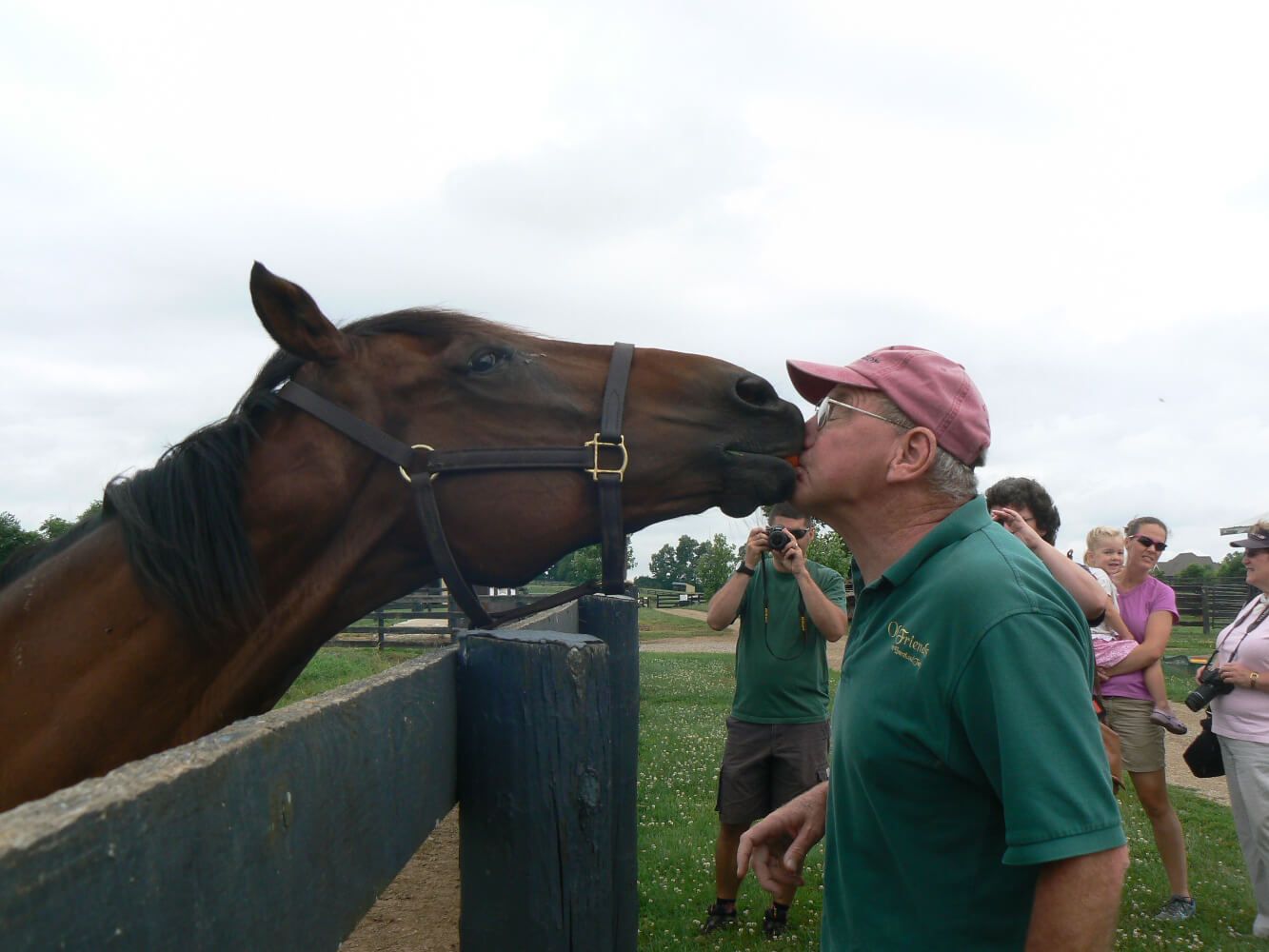
Whether they are working or riding horses, I love all horses. I often get to thinking, “What happens to all those horses once they reach retirement age?” I had pie-in-the-sky ideas that retired horses lived out the rest of their lives running around and just being horses. No more pulling plows or carriages; no more racing around a track or being part of a rodeo, just an easy life.
Suddenly, reality slapped me hard, and I found out, sadly, that I was wrong.
The Hard Truth
Horses are one of the most intelligent and loyal animals that humans work with, and once you have gained their trust, they are totally devoted to “their people”.
Despite this, America alone has about 200,000 horses a year that are cast aside, unwanted. According to the Humane Society, many of these horses are shipped from the U.S. to both Canada and Mexico, where they are slaughtered for both human and pet food. To be clear, the last U.S. slaughter plant closed in 2007. In 2021, more than 23,000 horses were sent to slaughterhouses in Mexico and Canada. In USDA documents, it is said that more than 90% of those horses were healthy.
If this is the case, then why were these horses slaughtered? It is very simple; it is all about money. Horse meat is common fare in parts of Europe and the Middle East, and that is where most of the horse meat goes; it is a big business.
Similar to cattle, horses are sold by the pound. The larger the horse, the more money that can be made. Thoroughbreds and draft horses are the big money makers. Also, similar to cattle, healthy animals rake in top dollar.
The really sad part is that people don’t stop it. The docile trail pony just may end up on the menu of some fancy restaurant at the end of the riding season. We all would be outraged if this were happening to our dogs and cats. There is a real problem with our way of thinking.
Old Friends
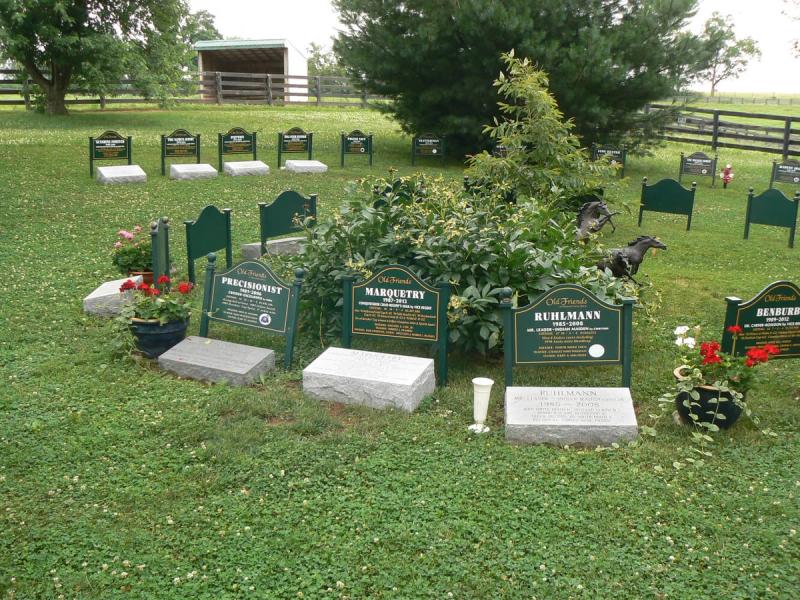
About three or four years ago, I made a trip to the Louisville area of Kentucky, right in the middle of horse country. Here, I found an organization called Old Friends.
Old Friends is a farm, actually a group of farms, that rescues retired Thoroughbreds from the possible fate of the slaughterhouse. I made contact with Old Friends’ President Michael Blowen and arranged for a tour of their main facility in Georgetown, Kentucky. Old Friends also has a farm in Greenfield Center, New York and another smaller facility, also in Georgetown, Kentucky.
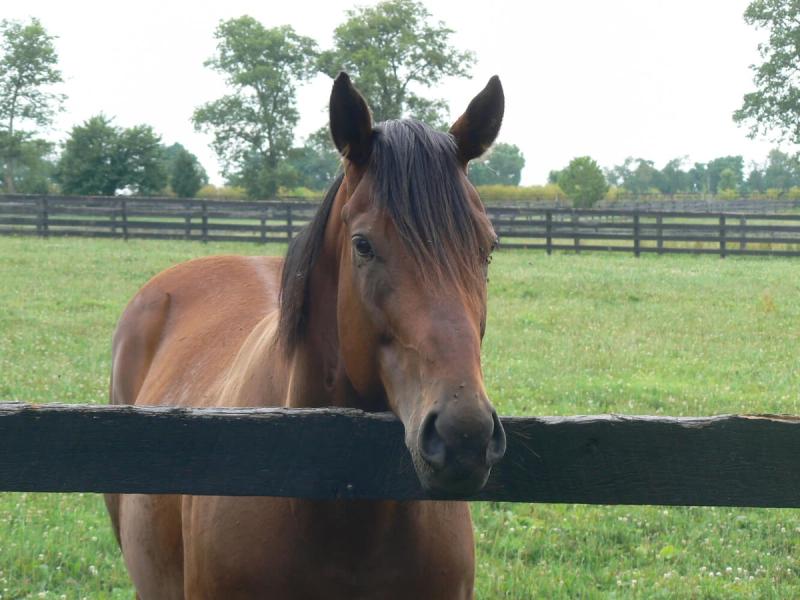
The main facility, Dream Chase Farm, is home to more than 150 horses. I was extremely fortunate to have Michael guide me through the property. Jumping into a golf cart, Michael started giving me the lowdown on what happens to race horses that can no longer perform the way that their owners expect them to.
Some of these “used up” race horses are shipped overseas to foreign buyers to continue their racing careers; some are sent off to be slaughtered and others are simply “put down”. As Michael spoke, I experienced a range of emotions; everything from sadness to blind rage, and then finally joy, knowing that at least some of these horses have found a home where they can just live their lives as horses are supposed to be.
Michael explained to me that, to some horse owners, just like some others in the commercially driven horse business, such as ranch and rodeo horses, the animals are just a means to an end. It is all about making money, and when a horse can’t race, barrel race or work cattle anymore, then the horse is not making a profit.
Michael sees these horses for the intelligent and loving beings that they are. When I watched him interact with the horses, I could see that there was a mutual respect.
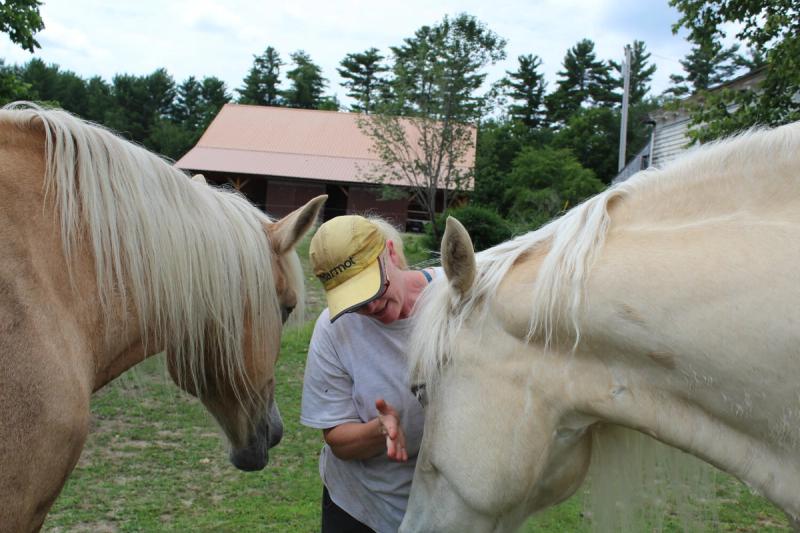
Some of the horses here at Old Friends, though they were old and worn out from racing, still loved to run. Others were lame from past injuries. No matter their condition, they all had two things in common. They all had a sparkle in their eyes, and they all had the opportunity to live out their lives, no matter how long that may be, being loved and treated well.
The horses that could be re-trained were bound to be re-homed. The one stipulation is that Old Friends had the first option to re-take the horse if the new owners couldn’t keep it. This way, Michael always knew that the horses would be safe.
MerEquss Equine
From Kentucky, I headed north to meet with Kerri Becket of MerEquus Equine. Located in Poland Springs, Maine, MerEquus is devoted to rescuing and preserving American Cream draft horses, though other horses are taken in if there is room.
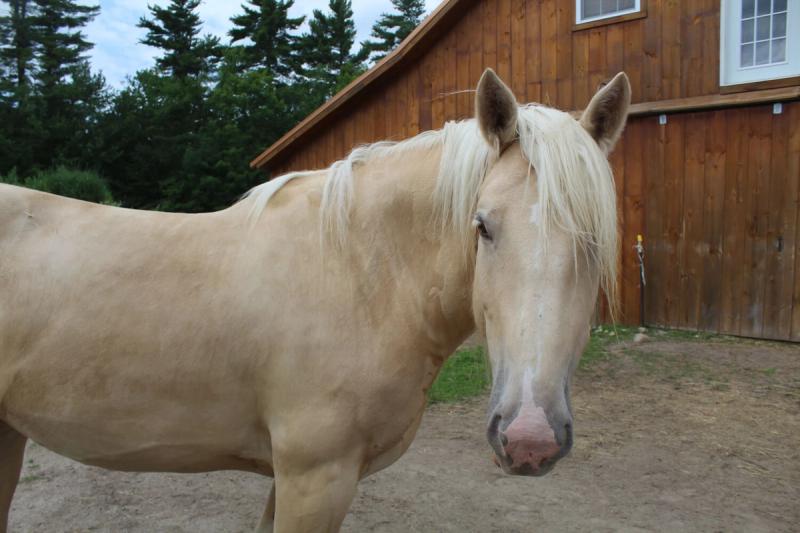
Even though the American Cream is considered extremely endangered, many of these beautiful animals find themselves at auctions where they may be purchased for slaughter.
As I walked through the barn and out into the paddock where the horses moved around at their own pace, where they wanted, I couldn’t help but be amazed at how gentile they were. I could see myself in these horses.
More Hope
There are other organizations like Old Friends and MerEquus Equine out there. Some rescue wild horses; some old farm horses. They all work very hard to help as many horses as they can. Every one of these organizations needs our help. You can volunteer, donate money or both. The one thing you can’t do is turn a blind eye to the situation.
Tags:Horse Sense










Acreage Life is part of the Catalyst Communications Network publication family.