



Selection, Bonding & Early Management Strategies
Guiding Livestock Guardian Dogs to Become Reliable Herd Protectors

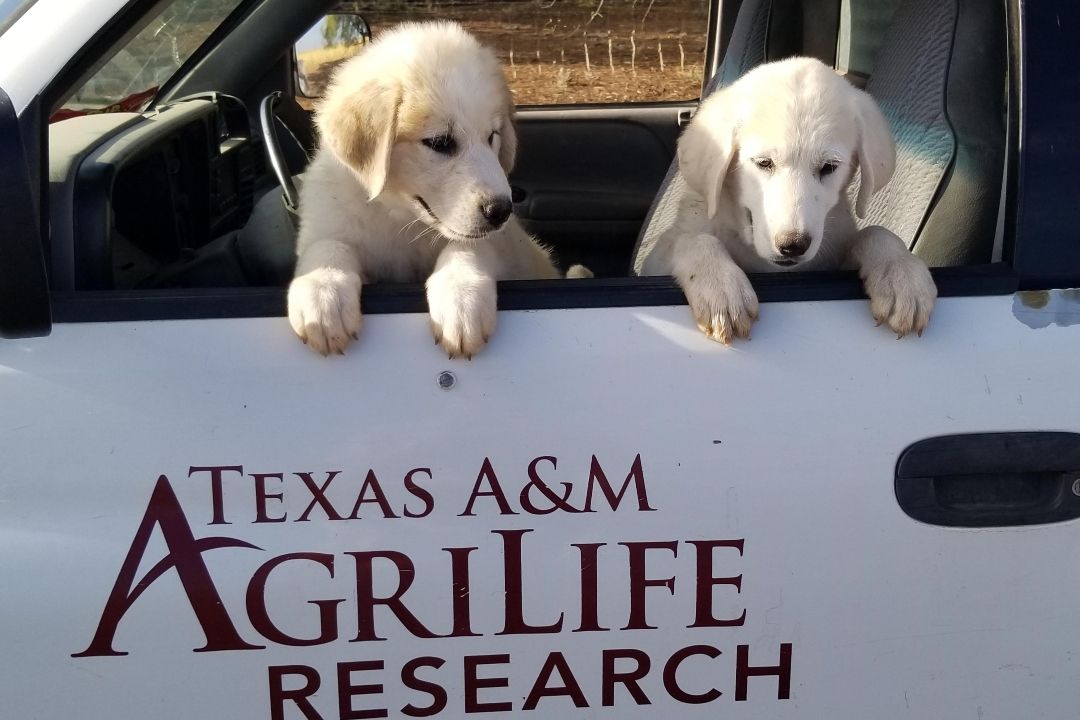
Livestock guardian dogs (LGDs) can significantly reduce lamb and kid losses and improve ranch profitability when appropriately selected, bonded and managed. Obtaining long-term success depends on choosing dogs with suitable genetic traits and implementing consistent management during the first year, when bonding and training most strongly shape adult behavior.
Preliminary data from the Texas A&M AgriLife LGD bonding project suggest that puppies bonded immediately after weaning in pens equipped with a hot wire are more likely to remain with livestock as adults compared to those bonded without a hot wire or in pairs. These results show the significance of structured bonding environments and early boundary training.
Selection
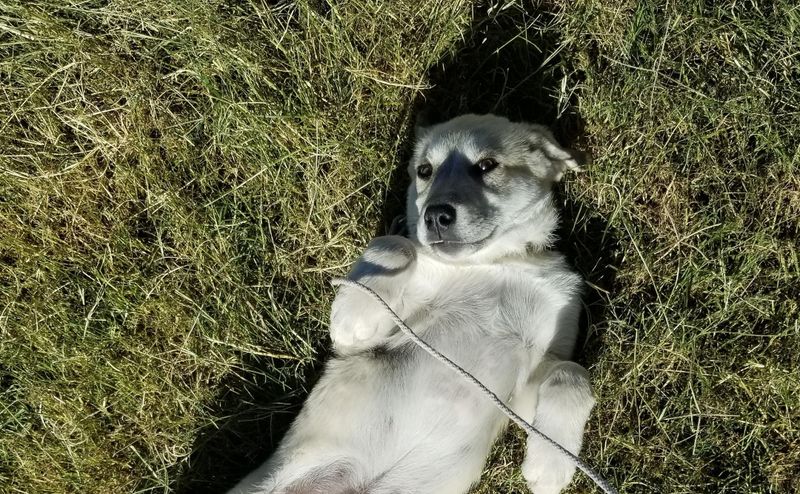
Selecting an appropriate LGD puppy is a key first step. Producers should obtain puppies from breeders who raise them from birth with the same livestock species present on the producer’s operation. Early introduction increases the chance of strong livestock bonding. Bonding should commence with a weaned puppy at approximately eight weeks of age. Puppies older than 16 weeks are less likely to form permanent bonds with livestock, increasing the risk of roaming and other behavioral problems.
Temperament is a primary consideration. Suitable LGD puppies are calm, alert and independent. Puppies exhibiting aggression, fearfulness, excessive shyness or strong dependence on human attention are unsuitable. Ideal candidates display inquisitiveness without excitability and approach new situations cautiously. Puppies that chase, growl, bite or resist handling should be avoided. Appropriate human socialization before 14 weeks of age establishes a manageable working relationship.
Bonding
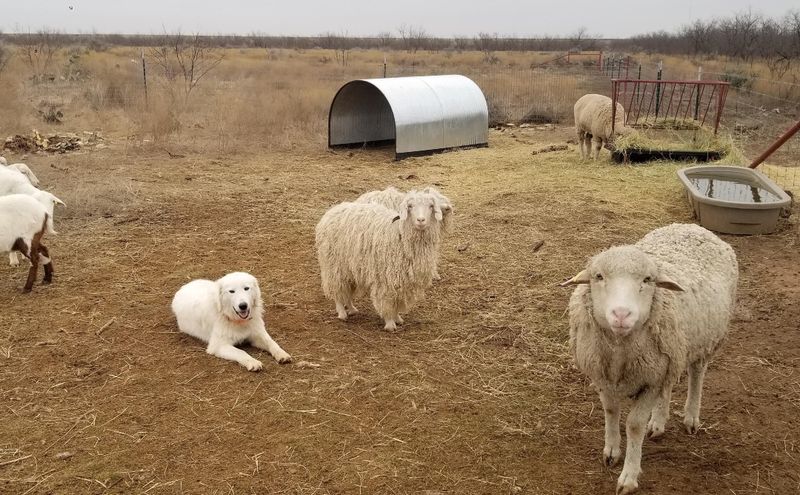
During the bonding process, new puppies should be supervised mainly from a distance. Producers should observe and document signs of prey drive and submissive behavior toward livestock. Livestock chasing must be corrected immediately, preferably within 24 hours. While some behaviors can be corrected early, persistent dominance or aggression toward livestock is difficult to modify and may require the puppy to be replaced. When unobserved, puppies should approach livestock calmly and remain relaxed unless responding to a threat.
LGD puppies should not exhibit prey drive, as defined by stalking, chasing or biting livestock. While these behaviors may not appear in very young puppies, yearlings and adult dogs should never exhibit them. Dogs that persistently show prey drive toward livestock are unlikely to become effective guardians.
Submissive behavior toward livestock is essential. Puppies should interact cautiously, avoid prolonged eye contact and tolerate physical contact from livestock without aggression. Effective bonding behaviors include lowering the head and tail when approaching animals, rolling over or dropping to the ground and sleeping with livestock. Puppies that bark at, jump on or bite livestock, even when startled, must be corrected immediately to prevent injury or fear responses.
Bonding Pens
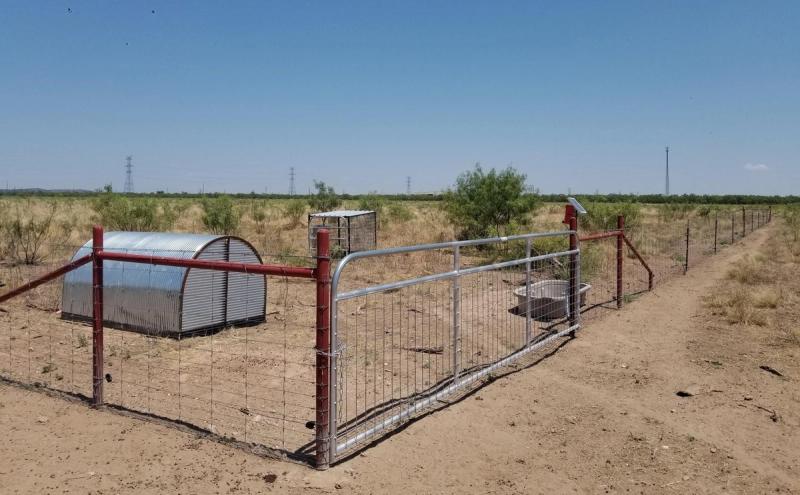
Since 2019, Texas A&M AgriLife has conducted a multi-year LGD bonding study at the San Angelo Research Center. Weaned puppies were placed with sheep or goats in 60- by 60-foot pens, with or without a hot wire, for one month, then moved to one-acre pens for three months. At six months, puppies were released into larger pastures and tracked using GPS. Puppies bonded in hot-wire pens were significantly less likely to leave assigned pastures. Tracking continues through 18 months of age.
Researchers also assessed the impact of bonding location. Puppies bonded in isolated pastures away from headquarters showed reduced roaming and less interest in human contact. Across six project rounds, single puppies bonded in hot-wire pens had the lowest roaming rates, while paired puppies bonded without a hot wire had the highest. These outcomes are preliminary, and data collection is ongoing.
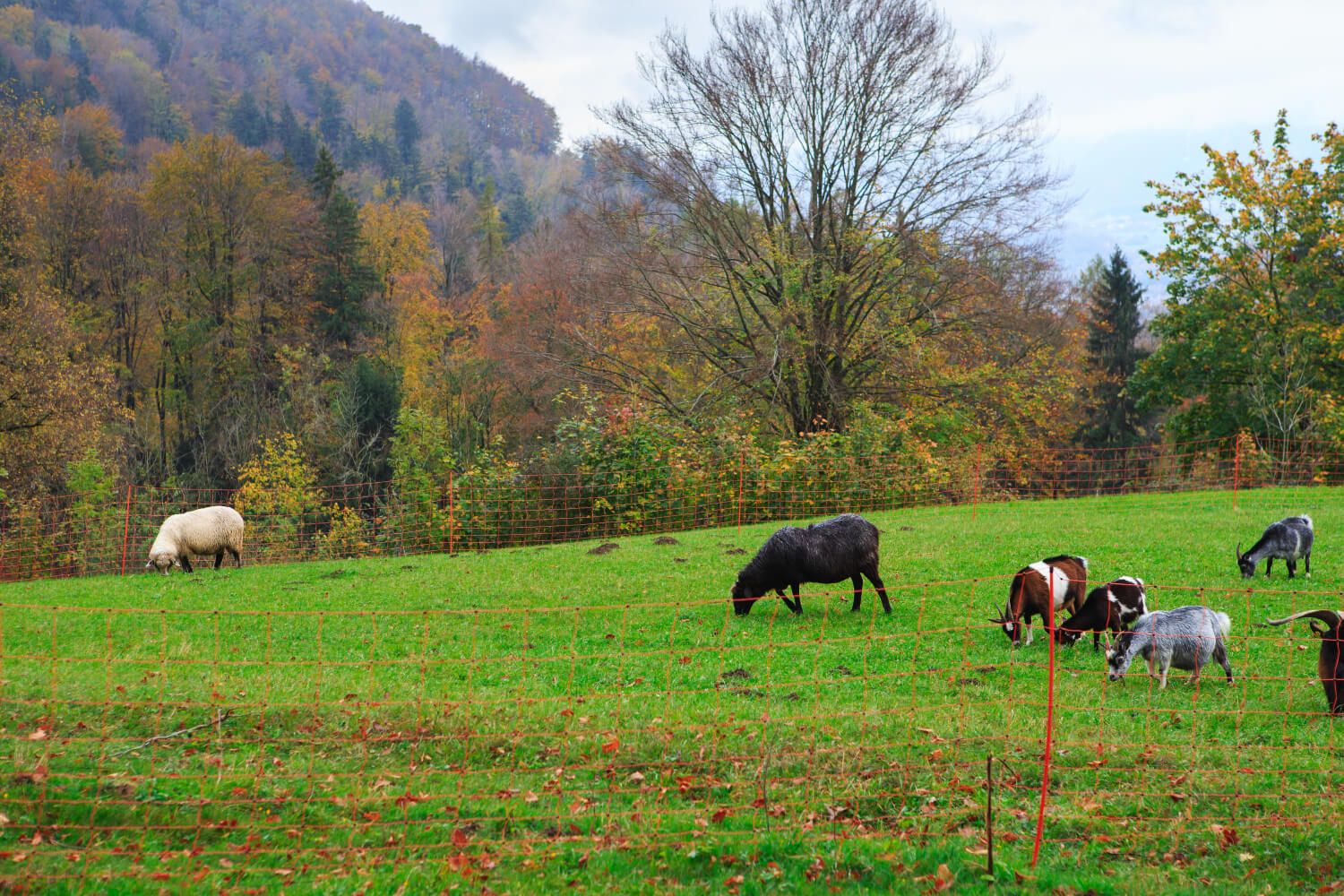
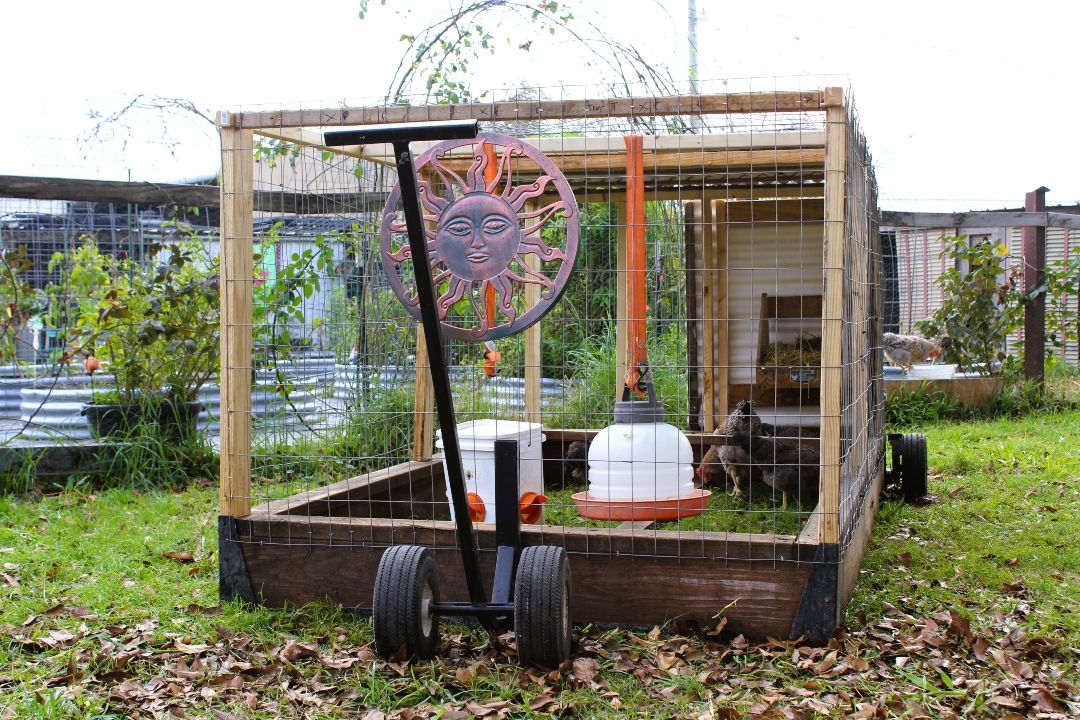
Proper bonding pen design is critical. Pens must be secure and escape-proof. Initial stocking should include four to six yearling animals in a 60- by 60-foot pen. As the puppy matures, pen size, livestock numbers and livestock age should increase. Livestock should be rotated every three to four weeks to promote bonding to the species rather than individual animals. Installing a hot wire at the base of the pen establishes boundaries and reduces roaming.
Dogs can bond with multiple species if introduced before 14 weeks of age. Research indicates that bonding should occur between 14 and 16 weeks to ensure a lasting attachment. Dogs that bond with individual animals rather than with a species may experience stress if those animals are sold or moved, increasing the likelihood of roaming.
A secure retreat area should be provided for the puppy, allowing the puppy to escape from livestock but not containing both food and water. This setup maintains daily interaction with livestock. Excessively aggressive livestock should be replaced. If the puppy displays rough behavior, introducing older animals can encourage it to be more submissive.
After about one month, puppies may be moved to a one- to two-acre pen for two months. Increased space can encourage chasing behavior, which must be corrected immediately. At six months, puppies may be moved to 10- to 25-acre pastures with livestock of various ages. Behavioral monitoring should continue until at least 18 months of age. By 10 months, dogs may be placed in 50- to 100-acre pastures, alone or with mature LGDs. Young dogs should not be expected to defend livestock alone against large predators.
Socialization
Early misconceptions held that LGDs should not be handled, leading to safety issues and poor manageability. Proper socialization is necessary to ensure LGDs can be caught and handled when required. Limited, consistent interaction of five to 10 minutes, two to three times per week, is sufficient and should focus on routine handling for veterinary and management purposes.
Puppies should be named and taught basic commands such as “come,” “stay” and “no.” All training and positive reinforcement, including treats, should occur in the presence of livestock.
Over-socialization rarely causes roaming; instead, roaming often results from producers inadvertently rewarding dogs for moving away from livestock. LGDs should not be fed or rewarded at the house or headquarters. Dogs found away from livestock without cause should be returned immediately and corrected. Rewarded behaviors are likely to be repeated.
Tags:Farm & Flock










Acreage Life is part of the Catalyst Communications Network publication family.