



Micro-Scale Rotational Grazing
Regenerative Systems for Small Acreage Homesteads

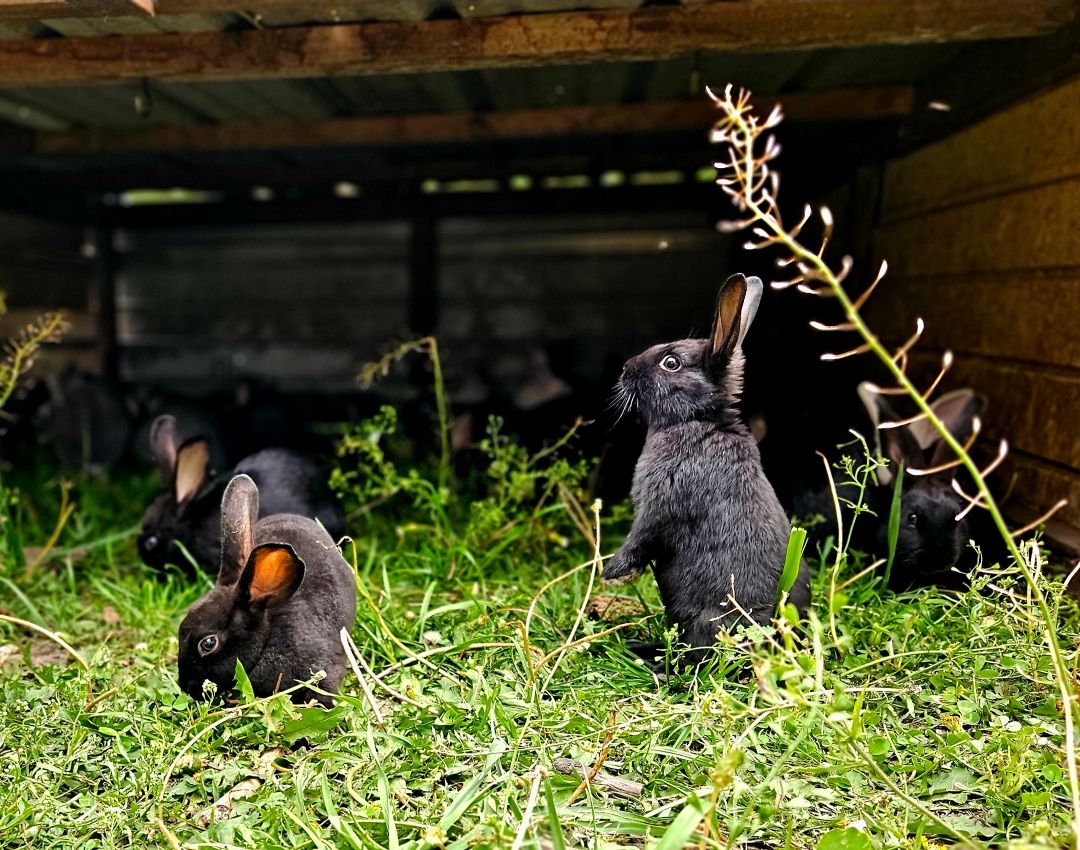
When most people hear “rotational grazing,” they picture cattle, perimeter fencing and acres they don’t have or only dream about. For beginner homesteaders and small-acreage landowners, that mental image alone can be enough to shut the idea down before it ever gets a chance to be explored.
The reality, though, is that rotational grazing scales down far more easily than most people even realize. With small livestock and portable infrastructure, it’s entirely possible to apply regenerative grazing principles on a fraction of an acre.
Micro-scale rotational grazing isn’t about mimicking intimidating large ranch systems. It’s about intentional movement, rest and land observation while using animals that fit your land and tools.
Putting the Micro in Micro-Scale
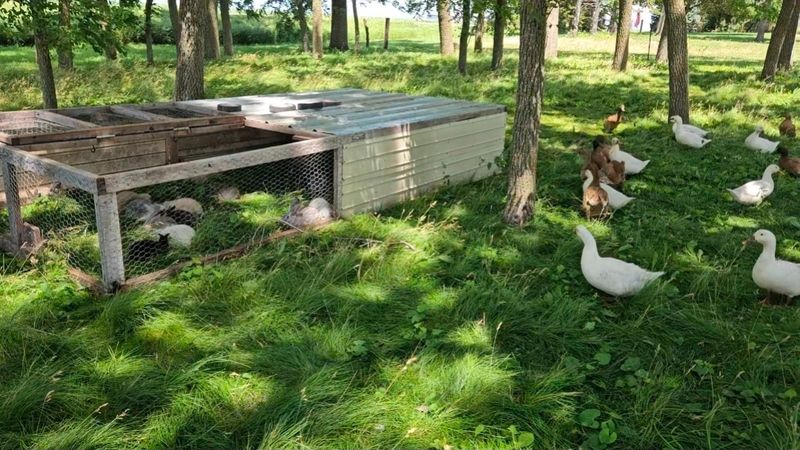
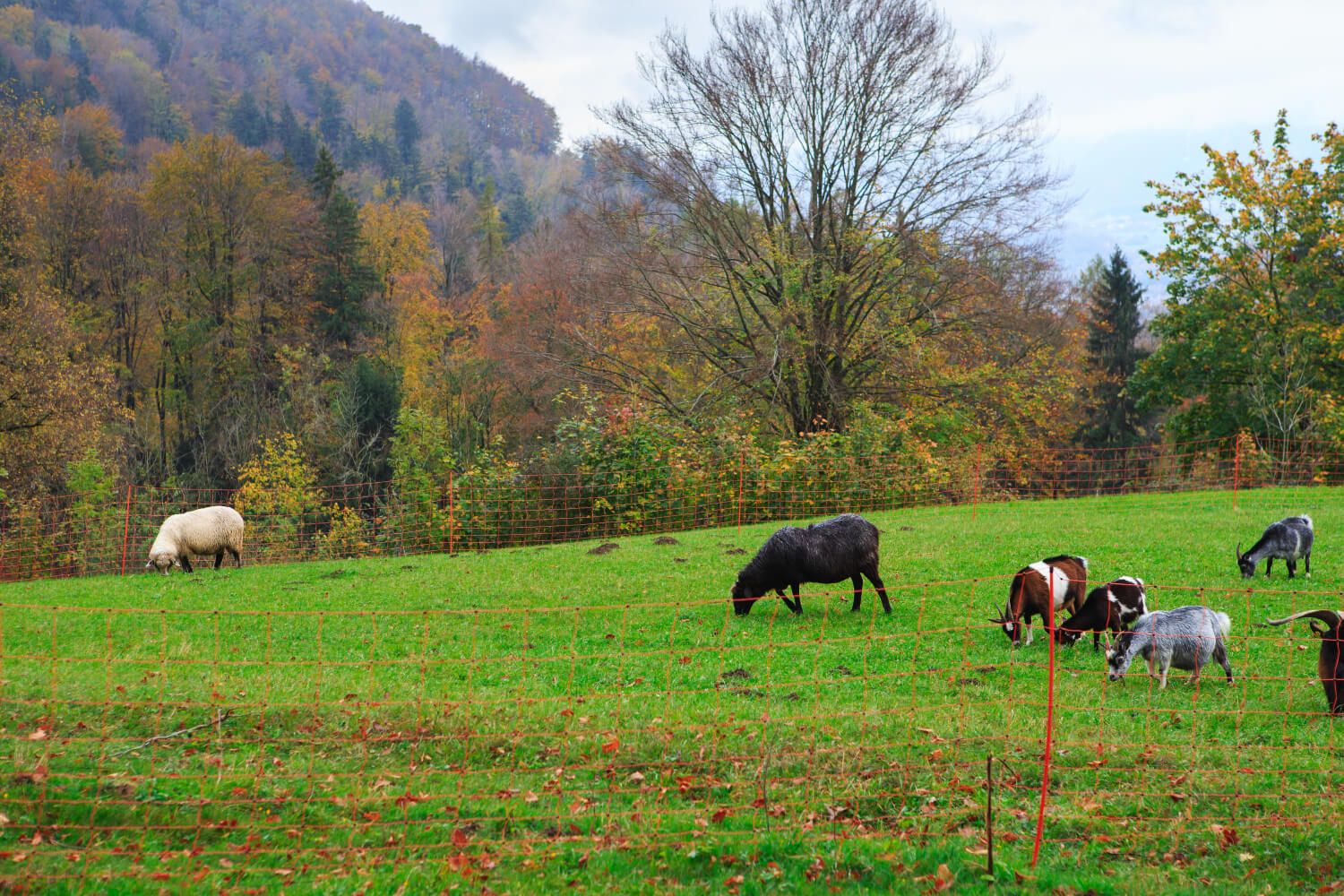
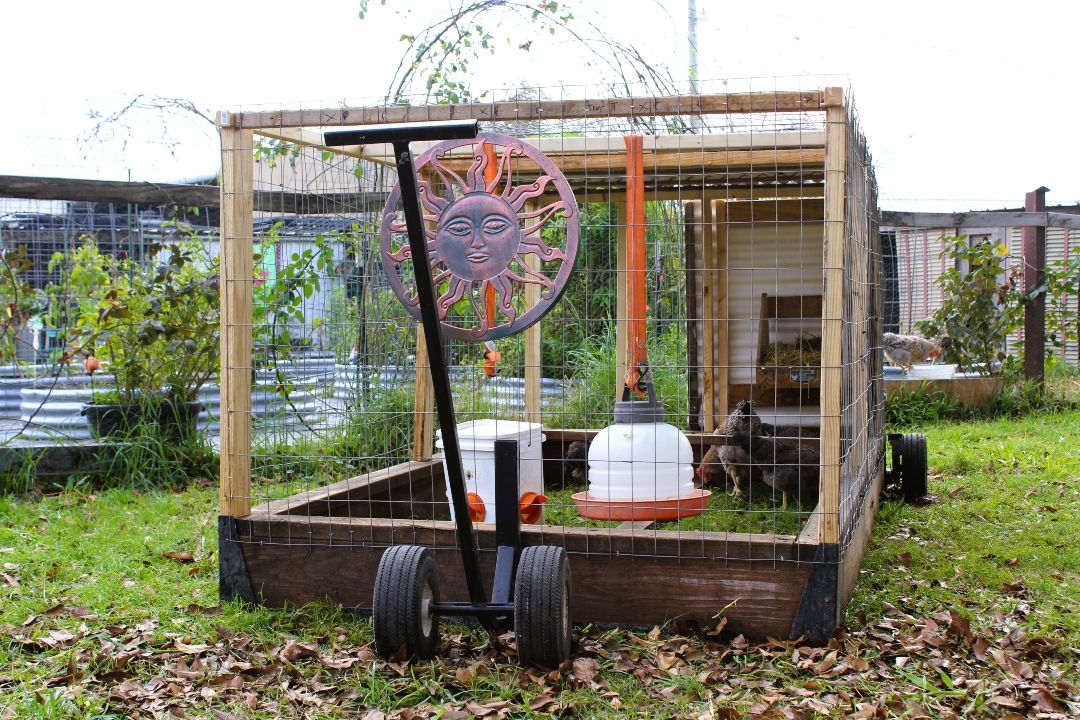
At its core, rotational grazing is very simple: animals are moved intentionally so that forage has time to recover. On a micro scale, that principle stays the same, but the execution looks a bit different. Instead of permanent fencing and large paddocks, small-acreage systems rely on mobility such as animal tractors, temporary electric net fencing and short-duration stays.
Micro-scale rotational grazing prioritizes responsiveness rather than rigid schedules. You move animals based on forage condition, soil moisture and weather, not just because the calendar says it’s time. This approach works especially well on small parcels where overgrazing can happen quickly, but recovery can also be fast when managed well.
Portable systems allow beginners to experiment, learn and adjust at their own pace without locking themselves into infrastructure that may not suit their land or needs long-term.
Choosing the Right Grazers
Small livestock offer one of the lowest-risk entry points into regenerative grazing. They’re more affordable to start with, require less space and provide faster feedback and turnaround. Mistakes are easier to correct, and successes show up quickly in both animal health and pasture response.
Animals such as rabbits, quail and broiler chickens all interact with the land differently, making them excellent teachers. When managed in rotation, they allow homesteaders to stack functions — meat or eggs, fertility and forage utilization — without overwhelming systems or budgets. Combined with tractors or electric net fencing, they also give you control of the impact, which is the most critical on limited acreage.
Rabbits
Rabbits are one of the most underrated grazing animals for small homesteads. In well-designed tractors, they gently harvest forage while leaving manure directly where it’s needed. Their impact is light, making them especially useful on fragile or improving ground.
The key with rabbits is movement. Tractors should be shifted frequently, often daily, to prevent overuse and uneven manure buildup. Shade, airflow and predator protection are non-negotiable, but when those needs are met, rabbits can be a quiet powerhouse in a micro-scale rotation.
Quail
Quail are lightweight, fast-moving and well-suited to rotational systems when given appropriate housing. Small tractors allow them to interact with the land without creating concentrated damage. Their manure integrates quickly, and short stays prevent stress on both birds and pasture.
Because quail are more sensitive than chickens, frequent moves are essential. Rotating them through small sections encourages even distribution and keeps ground cover intact. On small acreage, quail shine when treated as a brief-impact species rather than a permanent one.
Broiler Chickens
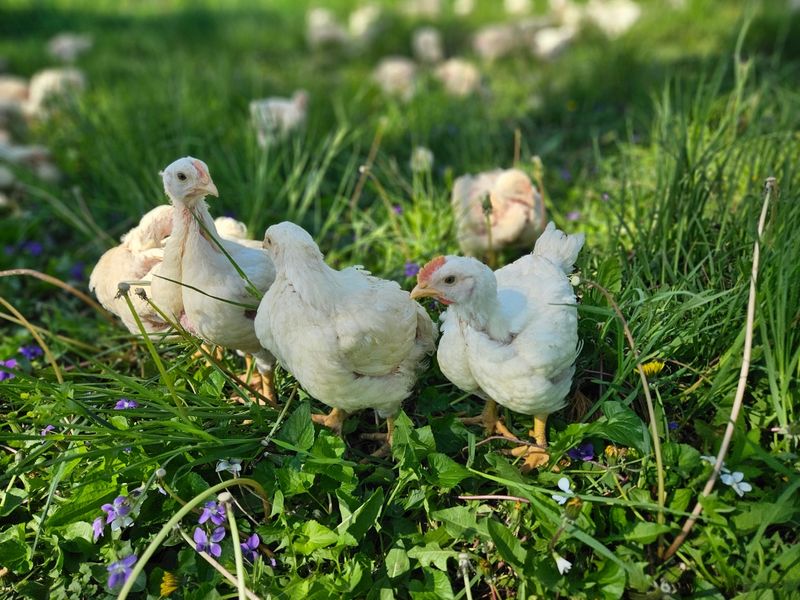
Broiler chickens bring more soil disturbance, which can be either a benefit or a problem depending on how it’s managed. Tractors offer maximum control and are well-suited to daily moves, while electric net fencing allows for larger paddocks and less labor once birds are trained.
In a micro-scale rotation, broilers are often most effective following other grazing pressure. This can resemble a grazing pattern of rabbits, followed by quail, followed by chickens, as we implement at our farm. Their scratching helps incorporate manure, manage insects and reset pasture when timing and density are right. They even act as wasted feed control from the rabbits and quail when following behind those species. The goal isn’t bare soil — it’s controlled disturbance followed by adequate rest.
Set to Your Needs
Successful rotation on small acreage starts with matching animal numbers to forage availability and enclosure space. Smaller pens and more frequent moves generally produce better results than larger paddocks with longer stays. Tractors generally require daily movement, while electric net fencing may allow two- to three-day stays depending on conditions.
Rest periods matter more than move schedules. Watching forage regrow tells you far more than any chart or grazing plan on paper can. Portable systems make it easier to respond quickly. If an area looks stressed, you move sooner; if growth is strong, you can slow down.
On small land bases, flexibility is the greatest asset you have.
Results You Can See
When micro-scale rotational grazing is working, changes are easily visible. Manure is distributed more evenly. Ground cover improves instead of thinning. Forage rebounds faster after grazing periods. In time, soil structure becomes more resilient, more biodiverse and more fertile even with repeated animal impact.
The biggest benefit of portable containment is that it also allows mistakes to be corrected early. If something isn’t working, you adjust movement or animal density before long-term damage occurs. For beginners, that margin of error is priceless.
The most common issue in small-scale systems is staying in one place too long. Tractors left in one spot or netted areas stocked too heavily can cause more harm than good to both the forage and the soil. Another mistake is prioritizing convenience rather than recovery — moving animals less often because it’s easier, not because the land is ready, can cause overgrazing and areas of manure buildup.
It’s also easy to overinvest early. Buying too much infrastructure before understanding how your land responds can lock you into systems that don’t fit. Simple setups leave room to learn. Start slowly and confidently until you find your rhythm.
Getting Started
The best way to begin is with one species and one containment method. Choose a tractor or electric net fencing based on your comfort level and labor capacity, not on what looks impressive on paper or social media. Focus on learning how often to move animals and recognizing healthy recovery of forage and soil.
Once you understand how your land responds, expanding becomes intuitive rather than overwhelming, and rotation days become second nature.
Regenerative grazing isn’t defined by available acreage. It’s defined by intention, observation and responsiveness of those stewarding the system. Small livestock, paired with portable systems such as tractors and electric net fencing, allow homesteaders to apply these principles effectively on even the smallest plots of land.
When managed thoughtfully, micro-scale systems don’t just produce food, they build healthier ground and animals, one move at a time.
Tags:Farm & Flock










Acreage Life is part of the Catalyst Communications Network publication family.