



Seasonal Care for Your Animals
Keeping Flocks and Livestock Healthy Year-Round

Caring for a diverse group of animals on a hobby farm is rewarding, but it comes with many demands. Each season brings unique challenges in ensuring your herds and flocks remain healthy and productive. Season-specific management, including adjustments to feed and shelter, parasite control, nutrition and hydration, can significantly minimize health risks.
By integrating thoughtful planning, attention to detail and targeted practices for herds and flocks, you can create resilient, thriving animals that flourish all year.
Winter: Coping With the Cold
During the winter months, maintaining the well-being of hobby farm animals requires adjustments to daily routines and facilities. To help livestock withstand cold temperatures, increase high-energy feed rations to bolster body condition and minimize weight loss. In addition:
- Ensure ruminants, such as cattle, sheep, goats and buffalo, receive plenty of hay or silage. For poultry and pigs, provide complete feeds; balanced rations that supply all the protein, energy, vitamins and minerals they need to grow, stay healthy and produce without extra supplements.
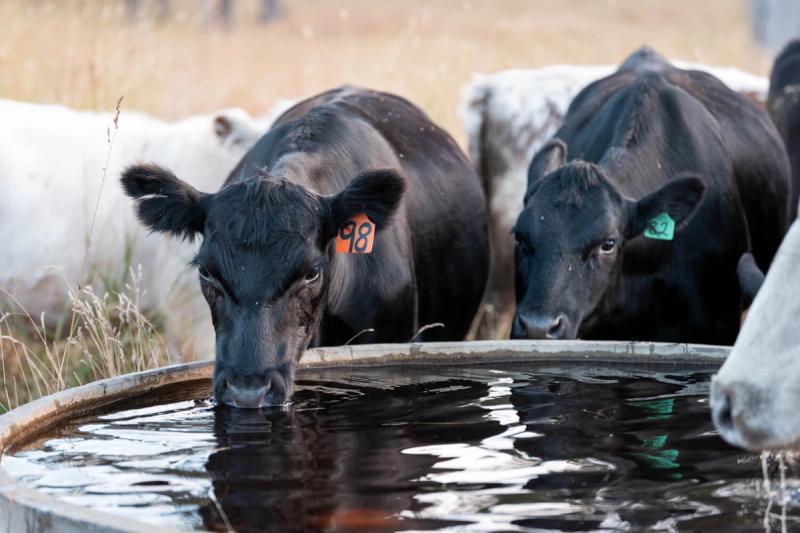
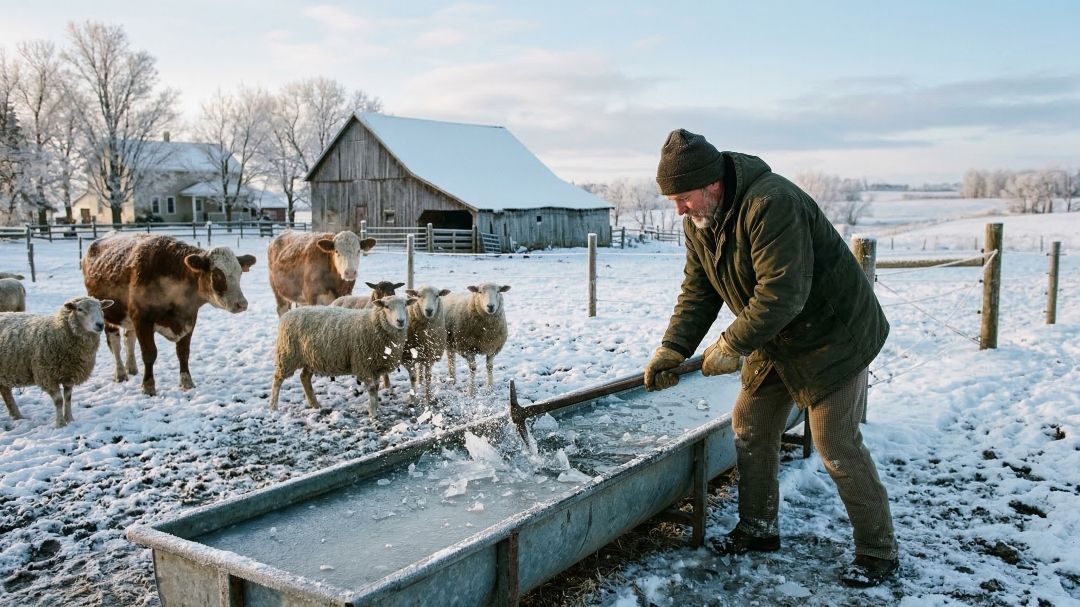
- Access to unfrozen, clean water is crucial. Using heated buckets or troughs will help keep hydration levels up, as dehydration can prove fatal in cold weather. Watch for early signs such as lethargy, sunken eyes, dry gums or a noticeable drop in feed intake, which can all indicate an animal isn’t getting enough water.
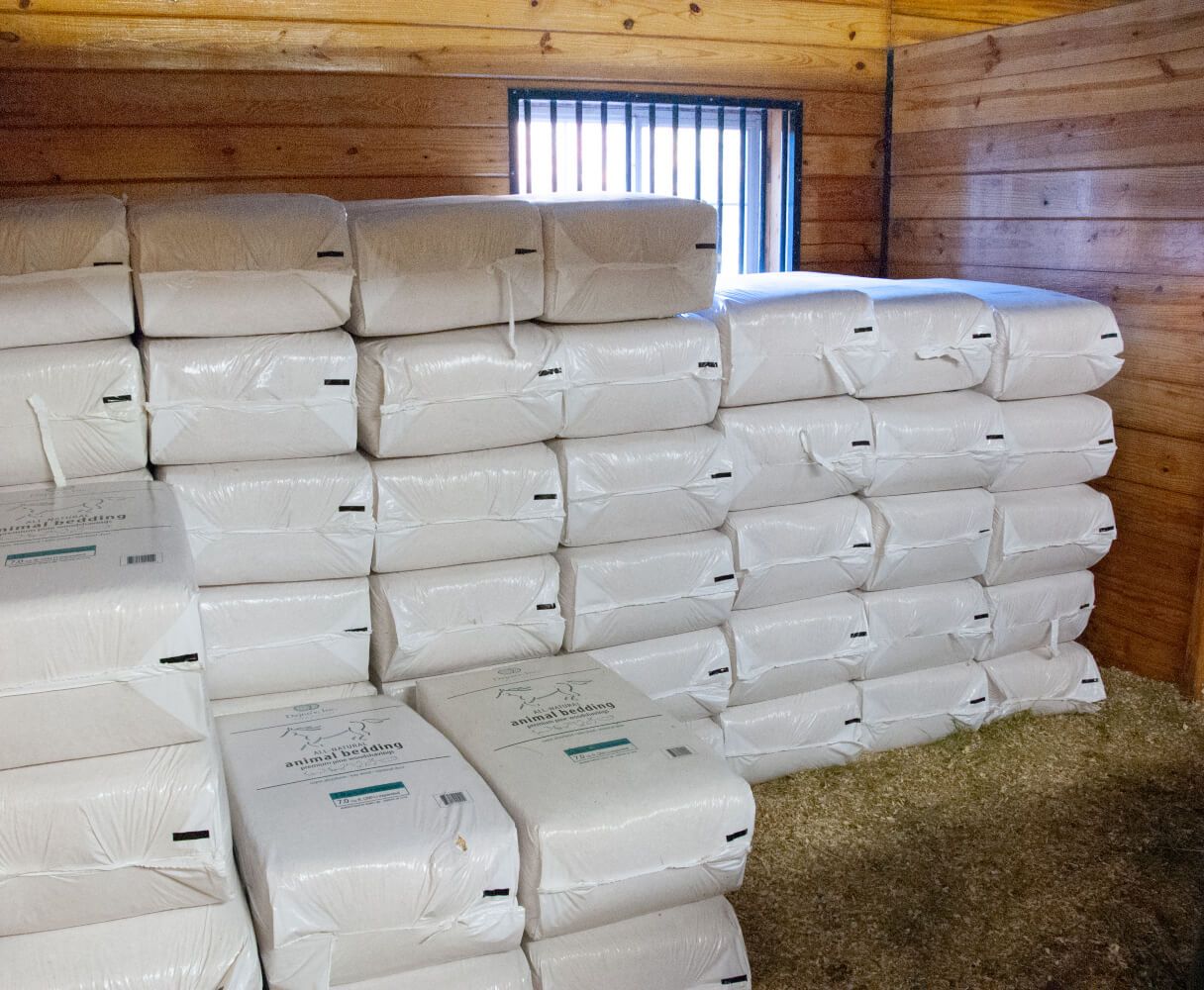
- Dry, insulated bedding in windbreaks or draft-free shelters is essential for keeping animals warm and comfortable. You should also regularly monitor for respiratory issues, frostbite or stress, especially in vulnerable young or older stock.
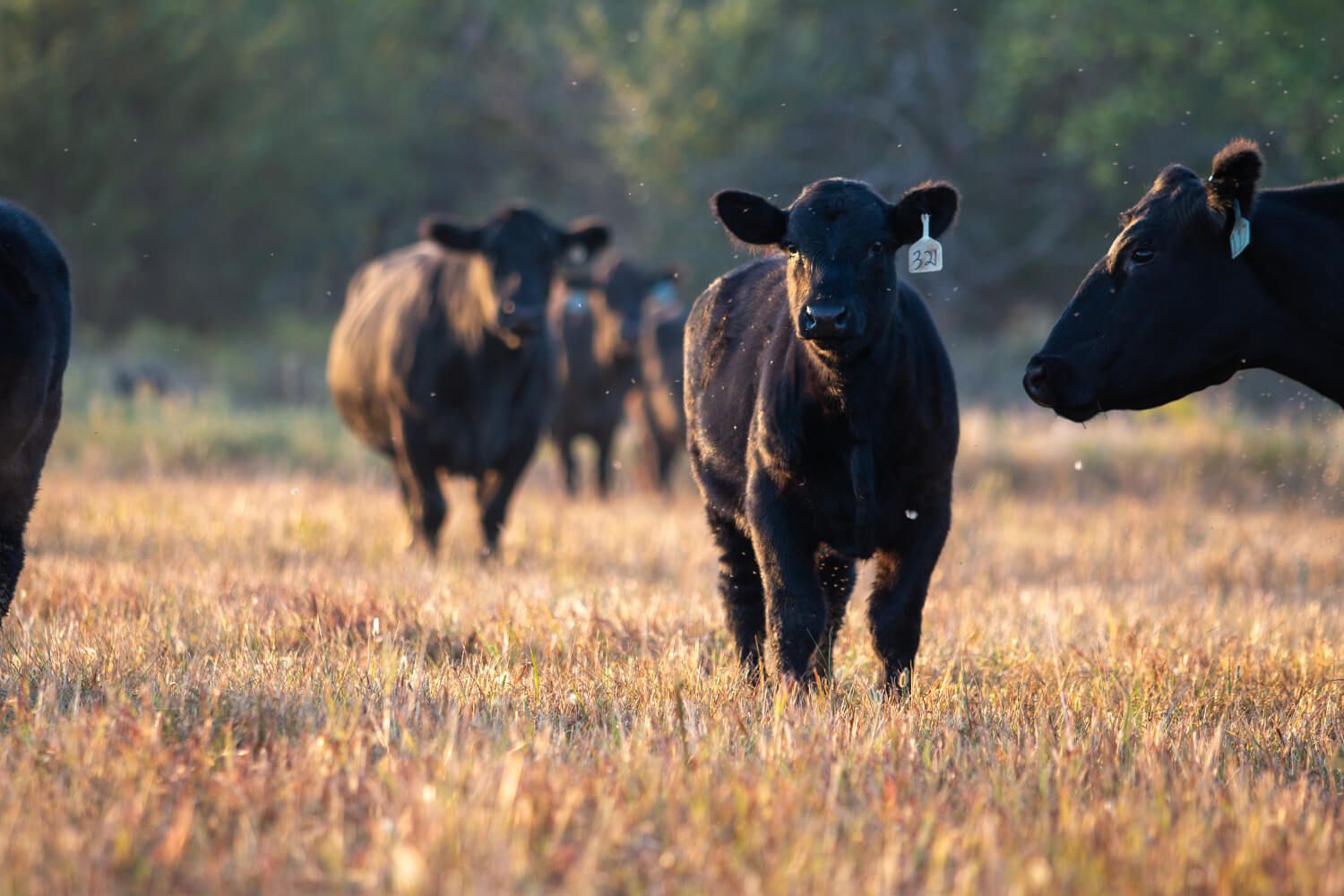
- For cattle, extra attention to higher-calorie diets, water supply and adequate shelter is vital to prevent cold stress and pneumonia throughout the season. Many farmers who have larger parcels of land often bring cattle closer to the barns during the winter, as it’s easier to provide food and clean, unfrozen water during the cold winter months. To ensure you find all of the cattle, you should have a marking system, whether you use quality brands from a branding iron manufacturer or ear tags. Tattoos are not enough, as they are difficult to see from a distance.
Spring: Growth and Parasite Control
As winter gives way to spring, you will need to change the nutritional needs and treat for parasites faced by your livestock. Begin the season by gradually transitioning animals from stored feeds to fresh pasture, which helps reduce the risk of digestive upset from abrupt dietary changes. More tips for spring:
- With warming temperatures and increased moisture, parasite larvae become more active, so intensify fecal testing, targeted deworming and consider rotational grazing to keep parasite loads low.
- Supplement early spring pasture with appropriate minerals to address any nutritional deficiencies that may arise from rapid grass growth. Conduct thorough health checks after winter, update vaccinations and prepare for births by ensuring all shelters are clean and well-equipped for lambing, kidding or farrowing.
- For cattle, introduce them to lush pasture slowly to minimize the risk of bloat. Provide close monitoring for pregnant or lactating cows and use strategic deworming and vaccinations to support herd health throughout the spring months.
Summer: Dealing With Heat, Hydration and Pest Management
During summer, protecting livestock from heat stress and pests is essential for sustaining health and productivity on a hobby farm. Dehydration can happen quickly in high temperatures. Always provide fresh, plentiful water, increasing supply during heatwaves and ensuring troughs remain free of algae or contamination. Summer requires additional protection against the heat and other management:
- Offer wide, well-ventilated shade through trees, shelters or shade cloth, and ventilate barns and hutches to prevent overheating. Ensure the barn has plenty of air circulation.
- Adjust feeding schedules to early morning or evening to maintain appetite and lower internal heat.
- Actively manage flies, mites and mosquitoes using traps, repellents or biological controls, and conduct regular external parasite checks for all animals.
- Cattle will require 15 to 35 gallons of clean water daily per animal. Use shade structures and fans, and move herds to shaded or less grazed fields to minimize heat stress and maintain herd health.
Fall: Prepping for the Cold
As autumn arrives, preparing livestock for winter becomes the top priority on a mixed hobby farm. Increase animals’ dietary energy content in anticipation of colder weather, ensuring that all of your animals receive adequate calories to maintain condition as pasture quality declines. Health and comfort safeguards are key before winter:
- Complete deworming routines to reduce parasite burdens before animals are confined or grazing slows.
- Conduct health checks. Trim hooves, shear sheep and update vaccines. The fall is a good time to inspect all animals for early health concerns.
- Stockpile hay, bedding and vital emergency supplies while thoroughly repairing and insulating shelters, barns and water systems for winter-readiness.
- For cattle, carefully assess body condition and adjust rations to prepare pregnant or breeding stock for added winter stress. It’s also a good time to rotate pastures for regrowth and ensure fences and watering infrastructure are robust enough to withstand freezing temperatures.
Year-Round Tips
Observe animals every day, as it will help you catch health issues sooner. Additionally, staying up-to-date on any livestock disease outbreaks or virus spread in your area helps protect your animals and enables a quick response if needed. Keep detailed records of feed, health checks and treatments, and provide daily cleaning for all animals. Stay informed about your animals’ health and have a veterinarian available for guidance on best practices and emergencies.
If you are new to cattle, consult with professionals for herd health planning, vaccination protocols and breeding schedules.
Seasonal Care Across the Country
It doesn’t matter what part of the country you live in: seasonal care for your farm animals is a must. Even in climates that don’t seem to change temperature that much, you should always plan for those colder or hotter spells. Proactive disease management results in productivity gains. Developing a year-round livestock health calendar can help reduce the chances of forgetting something important when you have a lot on your plate.
Tags:Farm & Flock











Acreage Life is part of the Catalyst Communications Network publication family.