



Preparing for Spring
Building a Raised-Bed Garden

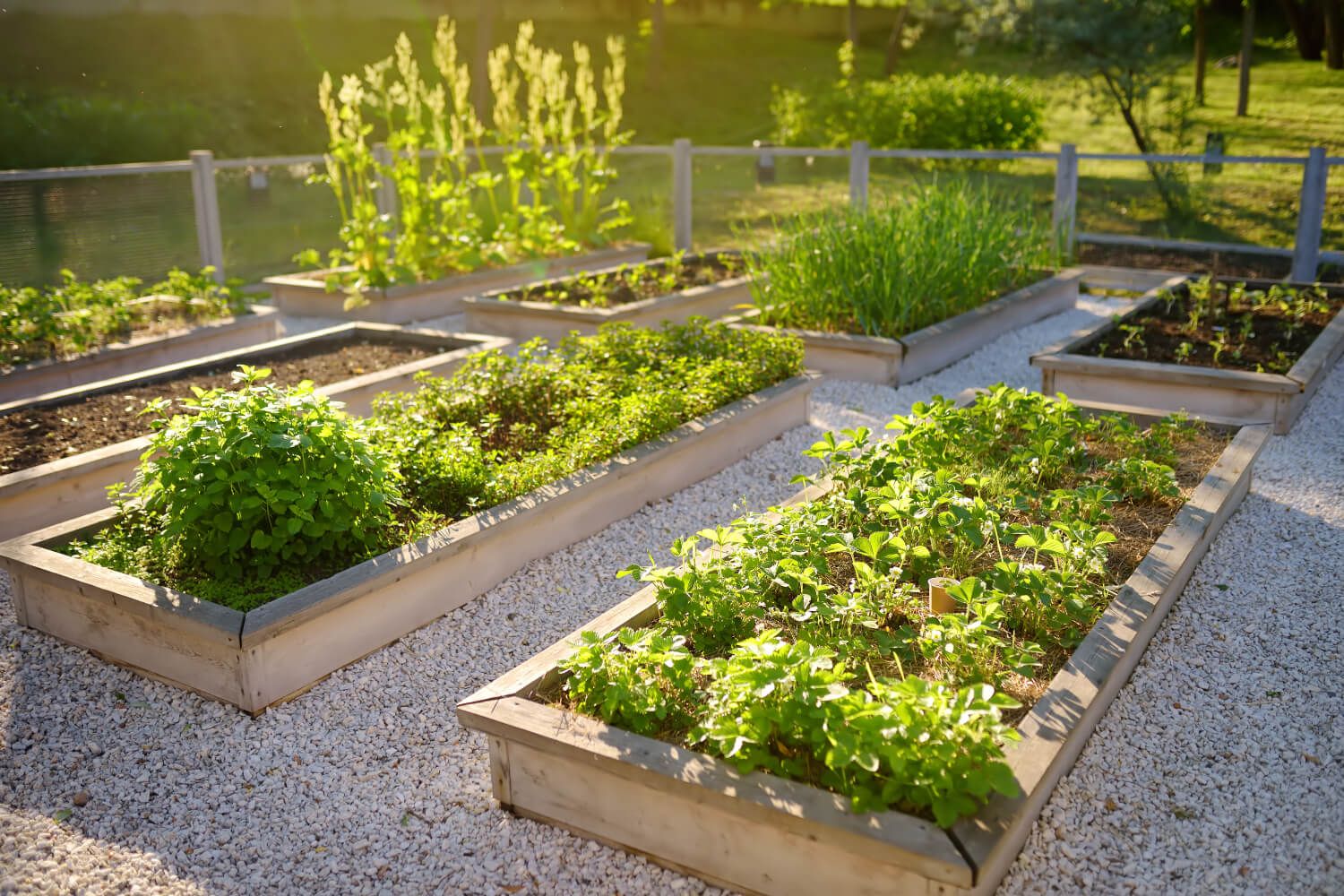
As the economy continues to put the squeeze on households around the country, more and more families are looking for ways to cut down on living expenses. One popular option is to start growing their own fruits and vegetables.
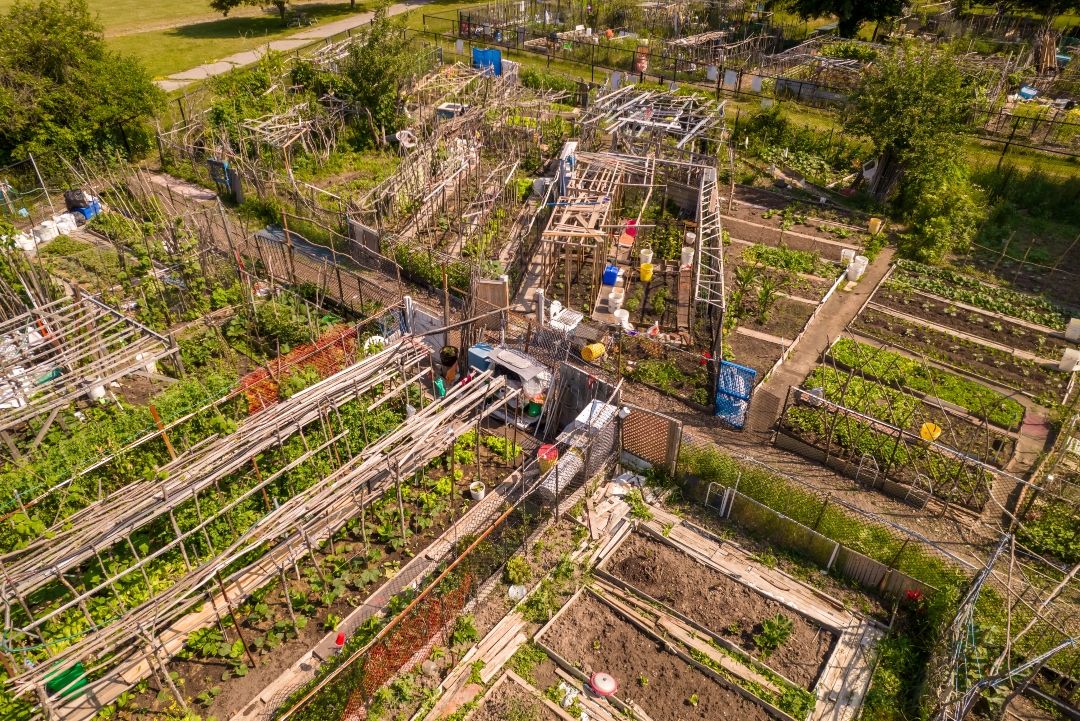
A quick search on gardening reveals that raised bed gardens are recommended again and again. So what makes them so popular? From improved soil control to easier maintenance, raised beds offer several advantages, along with simple, affordable ways to build one yourself.
Benefits of Raised Bed Gardens
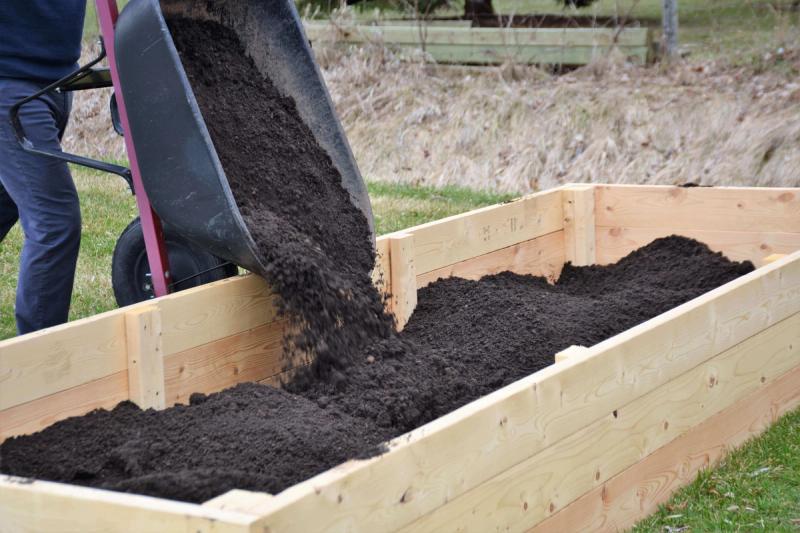
There are several reasons that the raised bed garden has become so popular, including the fact that you can use the kind of soil you want and not be restricted to whatever soil is in your yard already.
Raised bed gardens also have better drainage and fewer problems with weeds and pests. One of the most compelling reasons is accessibility. You can work at a comfortable height and thereby reduce the stress on your back and legs.
Construction Materials
From wood and metal to cinderblock and composite lumber, the types of materials that can be used is endless. Put-together kits can also be purchased online and at big box stores.
For the purpose of brevity, we are going to confine our discussion to a simple wood structure. Weather-resistant wood, such as cedar and redwood, is a perfect candidate for this project, but because it can be a bit pricey, less expensive woods, such as pine or fir, can be used.
If you decide to use cheaper materials, it would be wise to paint the top and outsides of the box with a wood sealer and waterproofer to slow rotting. This will add a few years to the bed. Be sure not to get any sealer on the inside of the box. Harmful chemicals can leach into the soil and possibly the plants. Avoid using pressure-treated lumber for the same reason.
The Ideal Dimensions
Every article you will read online will have a different answer to this question, but in reality, this will also depend on your own circumstances and objectives. However, there are a few guidelines you should follow.
If you want to have access to all sides of your garden, four feet is the most practical width. But it should never be less than 18 inches wide. The length can be as short as four feet. However, anything above 10 to 12 feet long becomes unwieldy, as wood boards tend to bow when they come under the pressure of added soil.
The height could range from as little as six inches for herbs and leafy greens such as lettuce; root vegetables and bush plants such as peppers require at least 12 inches; and all other vegetables, including tomatoes, cucumbers and squashes, will need 18 inches or more. 24-inch beds are generally considered ideal because they allow the deep-growing plants plenty of room, and that height will also help take the strain off your legs, knees and back. It is also the most dimensionally practical size to build.
Many have found a four-by-eight bed to be the most practical and economical. It only requires three 2-by-12s from the lumber yard for a one-foot-high bed.
Time to Build
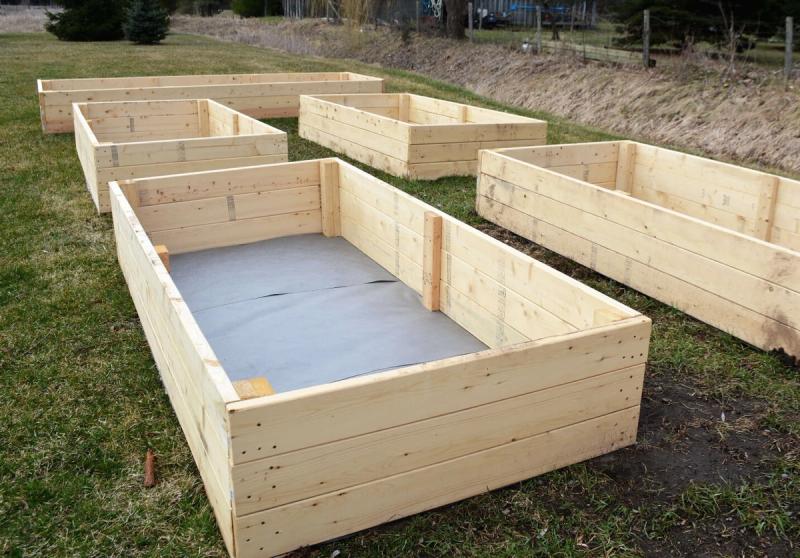
To begin, cut one of the boards in half. That will give you two eight-foot-long boards and two four-foot-long boards. Next, pre-drill three evenly-spaced ⅛-inch holes in both ends of the short pieces, about 3/4-inch in from the end. This will prevent splitting the wood when fastening the pieces together.
Place one of those pieces at right angles to one of the long boards, with the pre-drilled end of the short piece overlapping the end of the long piece. Using three-inch powder-coated deck screws, fasten the two boards together. Attach the second eight-foot board to the other end of the four-foot board in the same way. Do the same with the second four-foot board at the other end of the eight-foot boards.
And you’re done! You’ve just built a four-by-eight raised garden bed. That’s all that many home gardeners do to produce plenty of vegetables each year, with some to give away.
Lots of Additional Options
Many have found that success at this exercise has encouraged and emboldened them to think outside the basic box and try some other options.
For example, building two identical four-by-eight boxes and stacking them together will double the growing depth of your garden, enabling you to grow plants with deep root systems and large root balls. If you are going to do that, it is strongly suggested that you put two-by-four or four-by-four stake braces on each of the four corners and one along the length of each of the two long sides. Simply cut six 24-inch stakes, and after stacking the boxes together, put the braces in place and screw the two-by-12 side boards into them, using the same-evenly spaced three-screw pattern as you did when assembling the beds.
The purpose of the stake braces is twofold. First of all, it helps hold the two (upper and lower) boxes together so they won’t tend to slide out of alignment in the years of use. And second, the center braces in particular will prevent the long side boards from bowing out under the pressure of the added soil, especially when it gets wet.
Time to Get Gardening
Home gardening is an approachable and rewarding project for homesteaders, acreage owners and those looking to grow produce for their families or local markets. Building raised beds can become a hands-on family activity, and with enough space and budget, it’s possible to create multiple beds in different sizes, heights and shapes to support a wide range of plants, vegetables and even flowers. Taking time to research soil types and blends for various crops, along with using tarps, covers and simple frames to extend the growing season, can add both practicality and enjoyment to the process.
Gardening has long been a shared family tradition and continues to gain renewed interest, especially during times of economic uncertainty.
Tags:Garden & Landscape














Acreage Life is part of the Catalyst Communications Network publication family.