



5 Summer Essentials for the Homesteader
Getting You Through Seasonal Heat Peaks

Without a doubt, the summers are getting hotter. According to the National Weather Service, the last few years have been the hottest on record. It would be nice if we all could stay in air-conditioned areas, but sadly, that is not the case. If you live this lifestyle, then you have to be out there in the heat, tending livestock or working in the garden. What follows are five things you can do to make it through the “dog days of summer”.
1: Hydration
According to the U.S. Department of Labor, dehydration is one of the top things that takes people out of the game. Staying hydrated sounds simple, and it is, but many of us don’t do it. In the heat of summer, numerous sources say that we should be drinking two and a half liters of water per day.
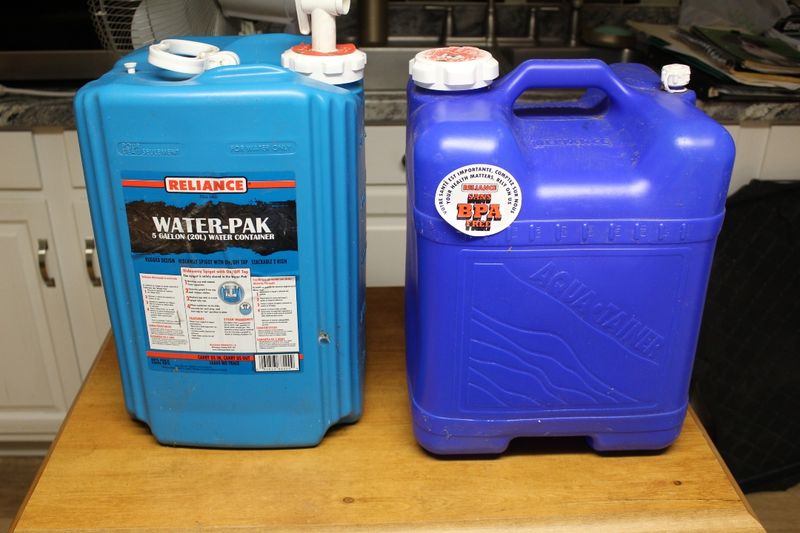
For that reason, I always have water available. I’m not talking about a couple of bottles of bottled water. In my pack, I always carry a WDS Wide 3L Hydration water bladder put out by 5.11 Tactical, and in my truck, I have water containers made by Reliance Outdoors.
2: Rest
Working in extreme heat will sap your energy. OSHA recommends frequent breaks in order to recoup. You may feel that you can push on (I know, I’ve been there), but you need to take breaks. Without breaks, you can stress your body to the point of no return.
Try working in the early mornings and the late afternoons. Doing so, you may find that you are more productive. Watch what the animals are doing. They aren’t active in the heat of the day and neither should you.
3: Shade
Have you ever noticed that cattle seek the shade during the middle of the day? There is a reason for this. This combines with rest. Relaxing in the shade will help to reduce your body temperature, thus reducing strain on your lungs and heart. When you take breaks, seek out the shade. That shade could be a grove of trees or just the side of your truck. The key is to get out of the sun.
4: Clothing
Clothing is rated by UPF codes, which are industry standards that measure the amount of UV rays that go through clothing and reach our skin. These ratings range from 15 to 50, with 15 being the lowest rating with any sort of protection, and 50 being the very best. According to the American Cancer Society, a plain cotton t-shirt has a rating between five and eight UPF.
Most UPF clothing is made from a polyester blend fabric. Cotton absorbs sweat and dries slowly, unlike the polyester blend. When cotton gets soaked with sweat or water, the already low protection rating goes down even further. This is one of the reasons why whitewater canoers, kayakers and rafters don’t wear cotton. The drawback is that synthetic fibers, such as polyester, will melt when they come into contact with a hot object, like a muffler. For that reason, if I plan on doing any work on a piece of machinery, I will always go back to the old standby; cotton.
Start at the Top
Due to its location on our bodies, the head takes the most direct beating, and thus, it needs to be protected.
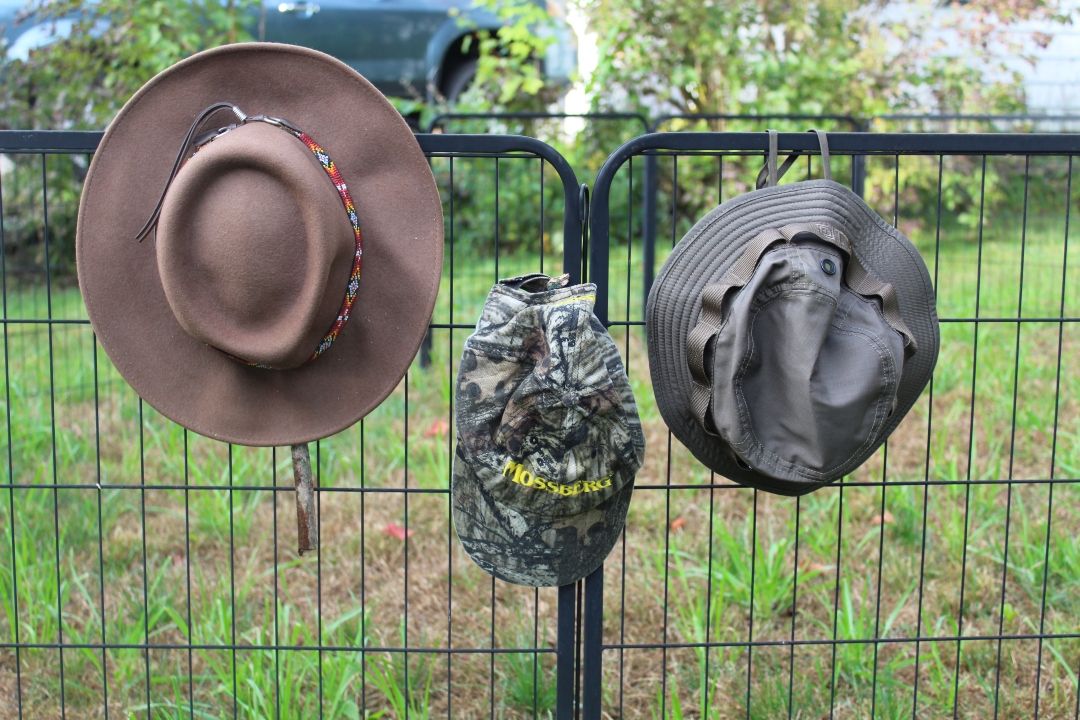
A hat is the obvious choice here. While ball caps are better than nothing, the best protection comes from a wide-brimmed hat; think cowboy hats, sombreros or my favorite, the military style “Boonie” hat. My “Boonie” hat comes from 5.11 Tactical, but there are many brands out there, or you may be able to find a military issue hat at an Army/Navy store. Wide-brimmed hats not only protect your head but also help to keep the sun off your neck and shoulders.
Shirts
Sun-protection manufacturers make both long and short-sleeve shirts, so which is the best to wear?
I believe that is up to personal choice. I have shirts from 5.11 Tactical, HUK and Hook & Tackle, both in short- and long-sleeve. Remember that the more skin that you have exposed, the more the sun will affect you. When I wear short sleeves, I make sure all of my exposed skin is covered with sunscreen.
More Than Just Shirts
Very rarely do I wear shorts while out trekking or working in the garden. Lightweight pants help to protect my legs from both the sun and biting insects.
There are plenty of brands out there that make pants made from UPF material. In fact, 5.11 Tactical makes pants with a rating of UPF 50 that easily convert to shorts if needed. When I do wear shorts, it is usually while in the canoe or kayak.
5: Food
Heat will sap your energy very quickly, so besides hydrating, it is very important to eat. The trick is to figure out what to eat.
Keep in mind that the process of digestion makes your body use both water and energy. Keep your meals light. Salads are good, as are fruits. Fruit will help replace water and give you the sugar, salt and potassium your body needs.
While in Arizona, I learned a trick that I had never thought of; that is to eat spicy foods. It sounds counterintuitive, but it does work. The chemical makeup of spices helps trigger your body’s need to sweat, and sweating is your body’s way to cool down. Give it a try.
If you are going to live this lifestyle, then you will need to learn how to deal with the environment around you, whether that is the heat or the cold. Chores still need to get accomplished. Working in the cooler parts of the day, taking breaks, wearing proper clothing and staying hydrated will all help you deal with the summer heat.
Tags:Country Living













Acreage Life is part of the Catalyst Communications Network publication family.