


Preserving Food the Simple Way
Freezing, Drying & Canning Basics

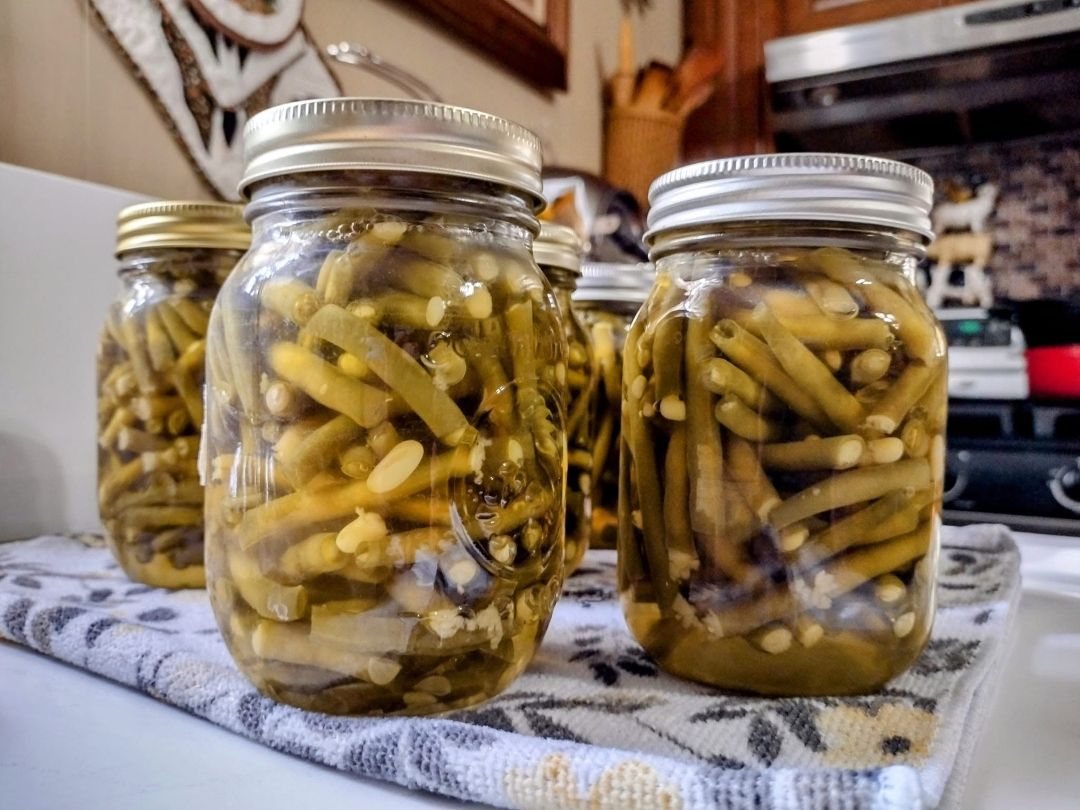
Since the beginning of time, people have found ways to preserve their food. Salting, smoking, cold storage and drying were just a few of the ways that our ancestors preserved their bounty for times of scarcity.
Fortunately for us, times have changed and we have so many more options. While the “old ways” are important and led us to where we are now, I firmly believe in using modern-day technology to make our lives easier. I’ll cover a few of the basic preservation methods that are popularly used today by both beginners and longtime homesteaders.
Freezing
Let’s start with the most basic: freezing our food! Thankfully, in our modern times, we all basically have access to a freezer. This is going to be your easiest method of food preservation, as it allows you to store things quickly. There isn’t much prep work involved with this method, and if you're not confident in your other skills, then this might be for you.
You can store anything this way and feel confident that as long as your freezer remains at the correct temperature, your food is safe. According to the United States Department of Agriculture (USDA), food that is frozen and kept at zero degrees Fahrenheit will remain safe indefinitely, but the quality may degrade with time. There are a few things you’ll want to do to keep your frozen items fresher.
Meat should be double wrapped in butcher paper or foil, then sealed into a storage bag, whether it be a Ziploc-type bag or a vacuum seal bag. This will help to prevent freezer burn in prolonged periods of storage. When freezing large quantities of meat, it’s best to spread them out in one layer to freeze as opposed to stacking them all in at once. A large amount of meat, no matter the type, will take longer to freeze thoroughly if stacked during the process.
Vegetables are easily frozen, with most requiring blanching and cooling first. When dealing with things such as squash and zucchini to be used directly in a recipe, I chop, freeze and go on about my day. Items such as green beans, brussels sprouts, corn and eggplant will require blanching. Those are only a few, so make sure to look up your veggies first if you're unsure.
Dehydration
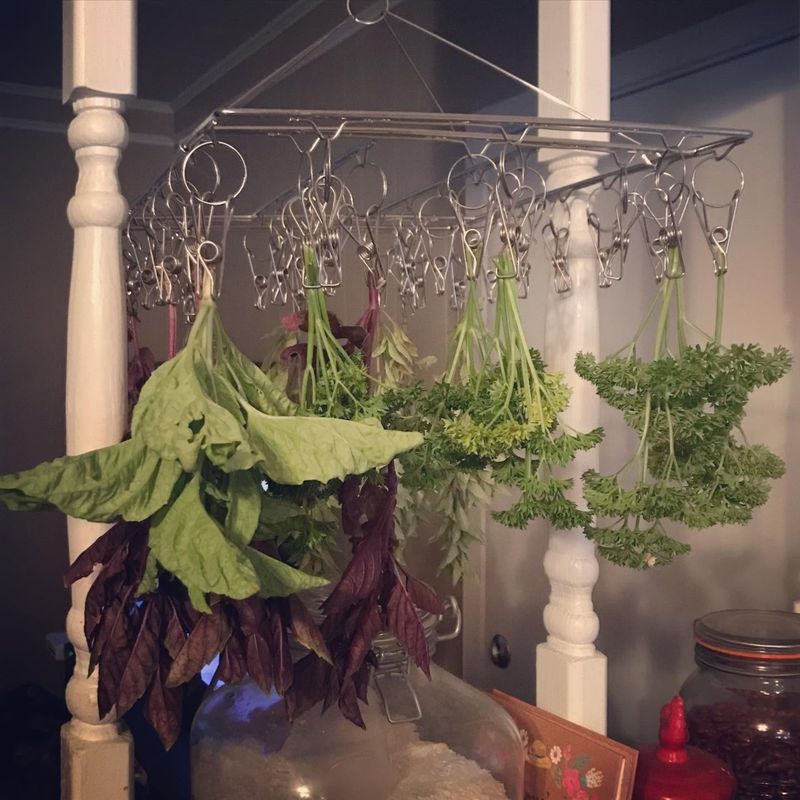
Now that we’ve covered the basics of freezing, let’s look at drying our food. This is another preservation method that has been used since the beginning of time. In past times, the sun was the best dehydrator available. While there are people in some areas who can still use this method, it obviously won’t work for everyone. Personally, I live in such a humid environment that there would be mold before anything had a chance to dry. In steps the modern dehydrator; you can find them for very reasonable prices at most stores and online. They’re user-friendly and can up your food preservation game in no time.
A few things of note when it comes to dehydrating: uniformity in your product size will help you to keep your drying time even. Spreading your produce evenly to maximize airflow helps prevent bacteria from forming in spots that remain damp. Similar to freezing, it’s best to blanch the vegetables that require it before drying. The goal in blanching is to keep as many nutrients in your food as possible. Some things, such as onions, bell peppers and herbs, won’t require blanching.
Last important note on drying/dehydrating: please take the time to learn the process of conditioning your dried products. It’s a simple but important step to ensure your items are thoroughly dried and safe for long-term storage.
Canning
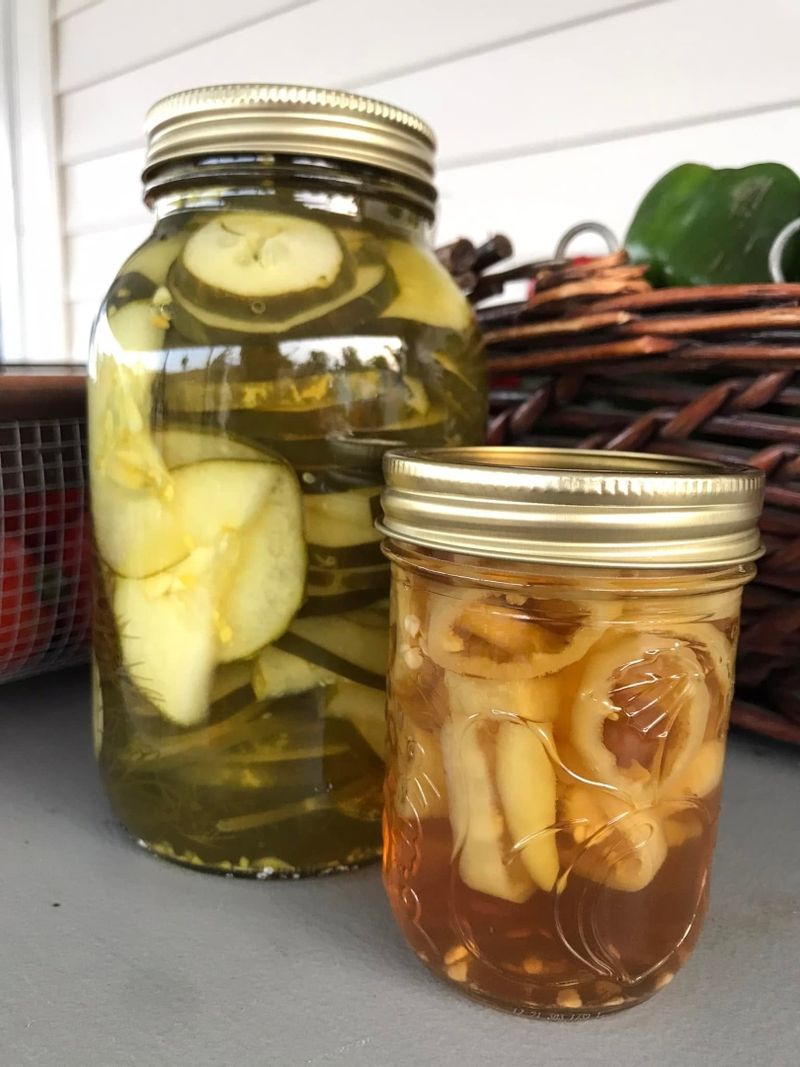
Last but certainly not least is canning! The possibilities are endless when it comes to canning food for long-term storage. You have the option of water bath canning and pressure bath canning, depending on the type of food you're preserving. I highly recommend finding trusted sources such as the National Center for Home Food Preservation and the USDA. There are many debates around trusting government entities when it comes to home canning, but for myself and my family, I prefer to ensure that I’m using safe and tested recipes.
The dirty word in the canning world is botulism. It’s a scary word that turns many people away from even trying this method of preservation. According to statistics from the CDC, foodborne botulism only encompasses 4% to 8% of reported cases yearly. If you’re practicing safe and trusted canning methods, the risk goes down exponentially. While some people believe it to be safe to water bath can low acid foods for prolonged periods of time, it can be an unnecessary risk to take when we have the option of readily available pressure canners.
If you are ready to dip your toes into canning, start with water-bathing and get comfortable with your skills there. The equipment is fairly priced and can be found at the majority of big box stores. You can pick up the “USDA Complete Guide to Home Canning” as a reference to ensure that you have the recipes and process right at your fingertips. I own this book myself and use it every time I’m canning to ensure that I’m not only doing things safely but doing them in the best way for the food I’m preserving.
Starting Out
Obviously, I’m only scratching the surface on each of these preservation methods; I recommend choosing one method to try first and throwing yourself into researching it from trusted sources. You won’t ever regret doing things correctly the first time. I’ve had my fair share of learning curves and wasted product when starting out with my food preservation journey, so hopefully this article will not only help you avoid some of the same mistakes I made but also encourage you to start on your own journey!









Acreage Life is part of the Catalyst Communications Network publication family.