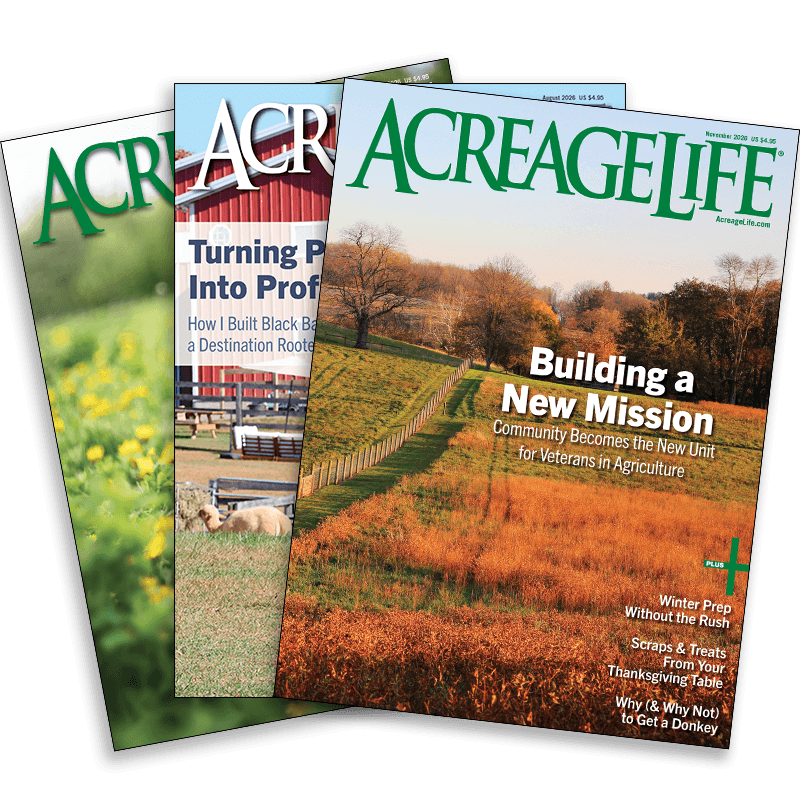



Building a New Mission
Community Becomes the New Unit for Veterans in Agriculture

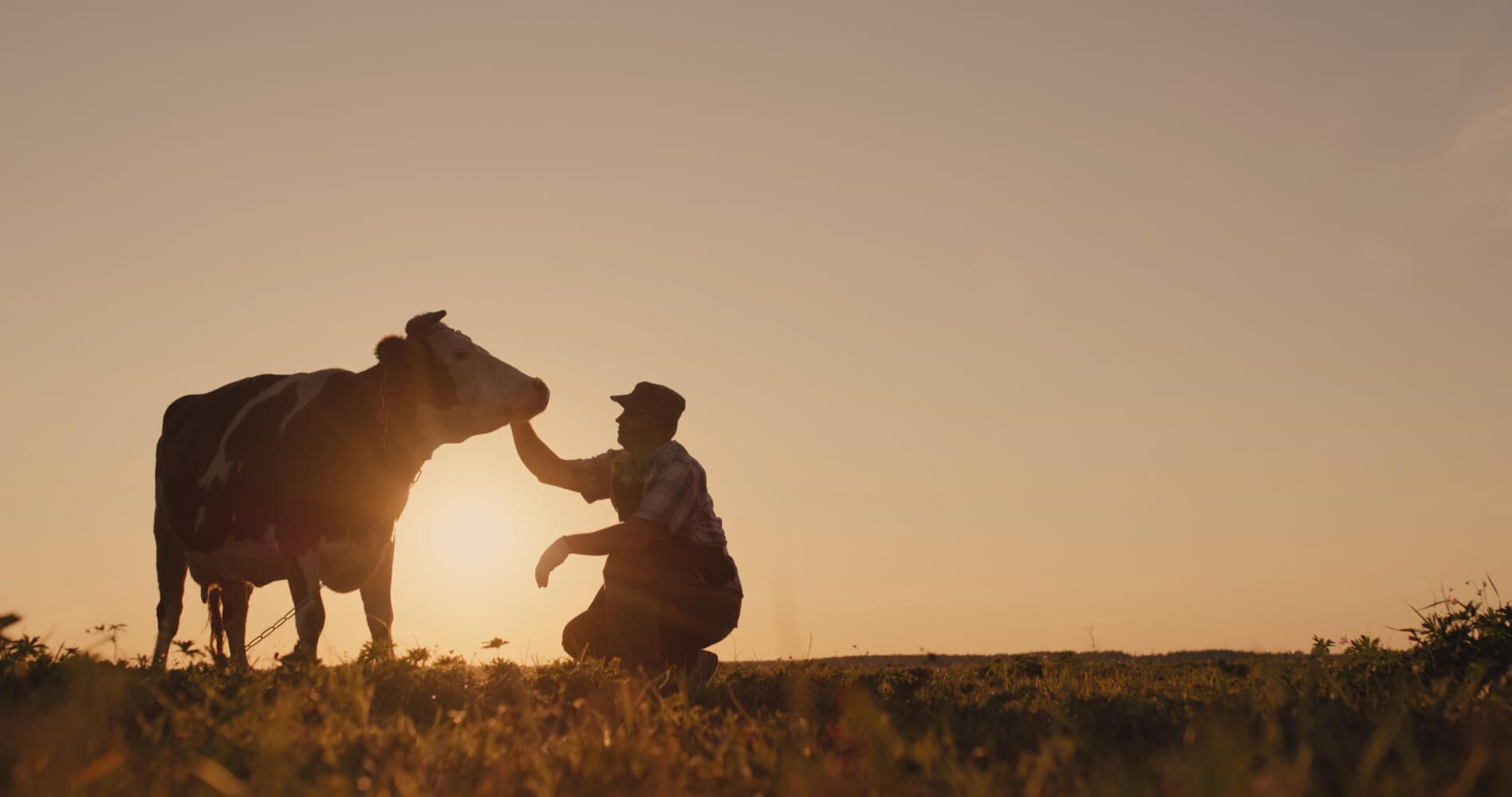
The call to serve doesn't end when the uniform comes off. For a growing number of veterans, it simply takes a different shape. Instead of missions overseas, they're planting orchards, raising livestock, and building small agricultural businesses that feed their neighbors. The land becomes the new assignment.
Agriculture offers something many veterans crave after service: purpose, ownership, and a way to keep contributing. It also comes with real challenges.
A New Way to Keep Serving
Ask Joe Ricker why farming resonates with so many veterans, and he'll point to two things: service and control.
"Service members want to continue service in their community and control their decisions and outcomes after service," says Ricker, founder and executive director of At Ease Orchard. "A small business and farming allow them to do both."
That shift matters. Military life runs on orders and chain of command. Farming flips the dynamic. As Ricker puts it, "After being ordered around in the military, it is an opportunity to lead yourself and lead your family into community ties by providing food to food pantries or farmers' markets."
The through-line is service — just expressed differently. A veteran who once protected a nation can now help feed one. That sense of mission doesn't fade. It gets replanted.
For Wayne Swanson of Swanson Family Farm, the appeal is even simpler. "Being outside can be very therapeutic," he says. "It's a bonus if being outside brings you peace of mind and you can pay a few bills because of your labor."
The Barrier Most People Miss
When people talk about why veterans struggle to break into agriculture, the conversation usually starts with land and money. Those barriers are real. Swanson names them plainly: "Access to land, money, and effective training." He notes that the training piece alone "is an entire conversation itself."
But Ricker believes the biggest obstacle is often internal.
"Most people will say land, but I believe it is more of the ability to self-assess and determine what is right for them," he says. "Small business ownership is tough but doable. A veteran needs to honestly assess what they are capable of giving and have the ability to do."
Farming looks straightforward from the outside. Plant, grow, harvest, sell. The reality demands time, patience, and genuine passion. Ricker encourages veterans to ask themselves hard questions before diving in. "A veteran's biggest barrier is sometimes self-assessment and themselves, to see if it is really what they want to do and have time and passion for."
That honesty upfront saves heartache later. Knowing your limits is its own kind of strength.

Learning From People Who've Walked the Path
Once a veteran decides to move forward, support makes all the difference. And not just any support. Both Ricker and Swanson stress the value of learning from other veterans.
"I would say it is a combination of peer community and mentorship," Ricker explains. "It is tough to take advice from non-veterans that may be experienced in farming, but necessary. Veterans' experiences differ from someone who grew up on a farm, but learning to be a part of a farming community is a large part of success."
Swanson agrees, and puts a fine point on it. "Anyone can teach you," he says. "But culturally, you need someone close who understands who you are and where you've come from."
That cultural understanding shapes everything, including who should lead the programs meant to help. Swanson feels strongly about this. "Are veterans leading these organizations or programs? If NGOs and administrators want to be effective, they must have veterans leading their efforts to help and train veterans."
Tim Peters sees the same need from a different vantage point. As chairman and co-founder of the Canadian Hero Fund, he supports families of fallen service members rather than running a farming program. But he knows what durable support looks like.
"After a loss or a hard transition, people need a clear purpose and a network that doesn't vanish after the first year," Peters says. "The barriers I see most often aren't 'motivation.' They're practical: money while you retrain, someone who has done the path before you, and a community that still answers the phone when things get messy."
Dirt Therapy & a Stronger Food System
The benefits of veteran farming reach far beyond the farm gate. Ricker sees agriculture as a lifeline in more ways than one.
"I think it lowers issues for veterans who have suicidal ideation through continued connection with other veterans and 'dirt therapy' or getting closer to the earth," he says. Working the soil, watching something grow, staying tied to a group who understands you, these things heal.
There's a bigger picture, too. "I think it provides a secure food system for the nation," Ricker adds. "Who else would you trust with your security?" Veterans who once safeguarded the country can now help safeguard its food supply, building clean, regenerative farms that serve everyone.
Ricker is careful about how he frames all this. "After service, they are due opportunities like farming and agriculture that they weren't able to take while serving." Not handouts. Opportunities.
For veterans ready to sell what they grow, Swanson offers grounded business advice rooted in his own family's experience. His father is a Vietnam veteran whose network buys intentionally from fellow veterans.
"Build a brand and a customer base, and service the heck out of both," Swanson says. "Guard your reputation and take advantage of the opportunities the market has given you." His encouragement is direct: start now, serve well, and earn loyalty that lasts.
Resources for Veteran Farmers
If you're a veteran exploring agriculture, you don't have to start alone. These organizations offer training, funding, and community:
- Farmer Veteran Coalition — Connects veterans with agriculture careers through mentorship, grants, and a national network of fellow veteran farmers.
- USDA Farm Service Agency — Offers loans and grants for beginning farmers, including programs geared toward veterans. Ricker notes these funds are "very helpful but need to be applied judiciously and wisely."
- USDA Beginning Farmer and Rancher Development Program — Provides training and technical assistance for those new to farming.
The path from service member to farmer isn't easy. It asks for honest self-reflection, steady mentorship, and a community willing to stick around. But for veterans who answer this new call, the harvest is worth it: a renewed sense of mission, a healthier life, and a role in feeding the nation they once defended.
Tags:Features










Acreage Life is part of the Catalyst Communications Network publication family.