



FFA: Growing the Future
Hands-On Learning Shaping Agriculture’s Next Generation

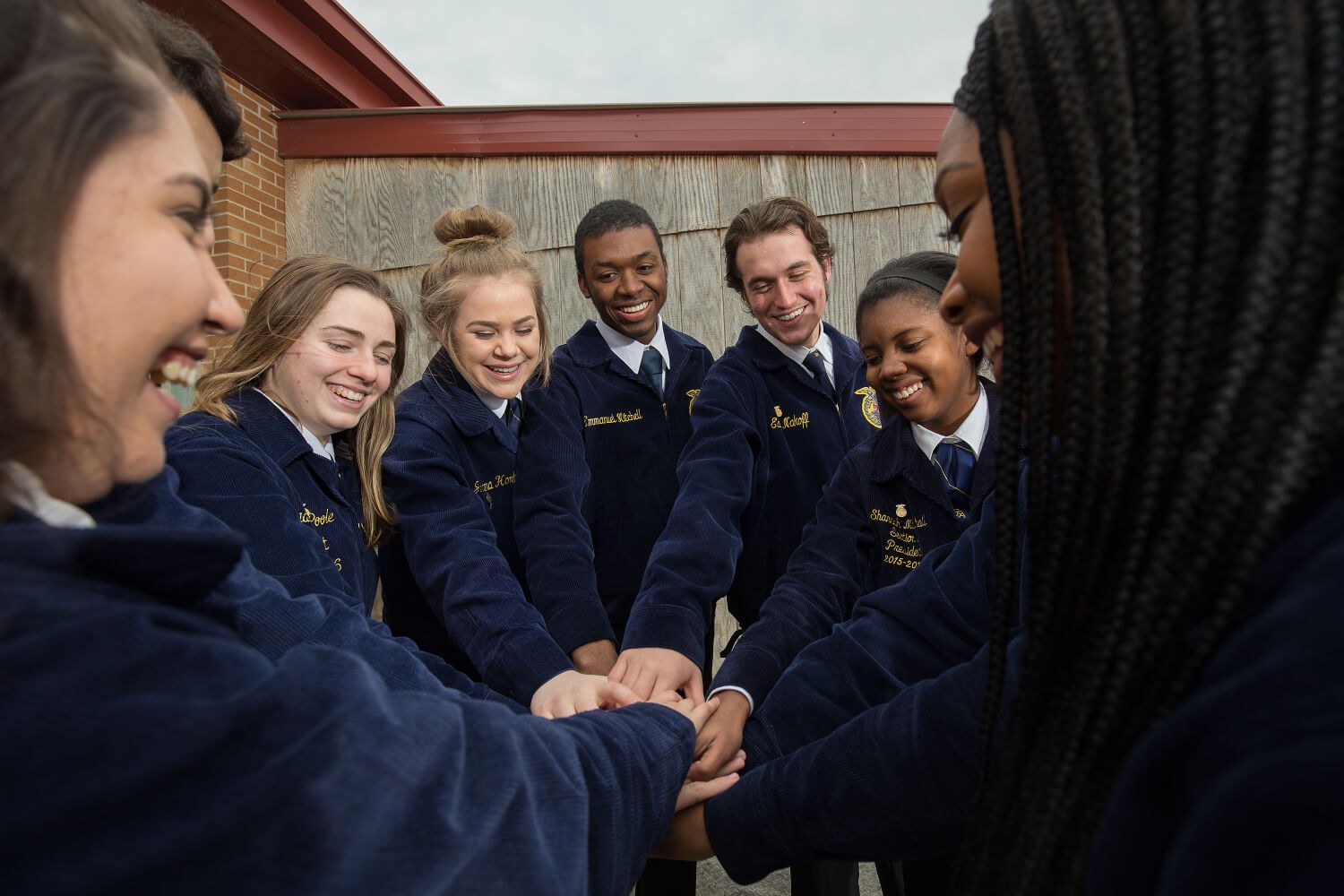
Across the country, agricultural education is helping students do far more than learn about crops, livestock, or the logistics behind our food supply. In classrooms, greenhouses, school gardens, and more, Future Farmers of America (FFA) members are building practical skills, discovering career pathways, and strengthening the places they call home.
Today’s FFA experience reflects the full scope of modern agriculture. For some students, that means learning about soil science or plant systems. For others, it means exploring leadership, education, mechanics, forestry, or agricultural communications. No matter the setting, the common thread is hands-on learning that helps students connect what they study in the classroom to the real world.
Turning Athletic Fields Into Classrooms
Members of Golden Valley FFA in California are learning turf and sports field management, gaining practical experience in lawn care and sports turf maintenance, and being introduced to career opportunities they may not have considered before. This program is even more special for the way it brings agriculture into a familiar environment. Many of the students are athletes learning to care for the same types of fields they play on. Through the class, they begin to understand that a well-maintained playing surface is not just about appearance. It involves soil health, irrigation, mowing, plant science, and long-term planning. And this lesson comes to life at places they recognize, including the Pebble Beach golf course, Oracle Park, (home of the San Francisco Giants), and the University of Southern California football field, the Coliseum.
For students who haven’t grown up around production agriculture, this kind of experience can be an important entry point. It shows them that agriculture is connected to their daily lives. A football field, baseball diamond, or soccer pitch can become a living classroom. Students learn that agricultural careers can exist in stadiums, parks, school districts, golf courses, universities, and professional sports facilities, in addition to more traditional farm and ranch settings.
First-Year Teacher Guides Students in Agriculture & Leadership
In Illinois, FFA advisor Lexi Mueller is helping students find those same kinds of connections in the classroom. Raised on a grain and livestock farm, Mueller developed an early appreciation for agriculture and education. Her own FFA experience, including serving as Illinois FFA state president during the COVID-19 pandemic, helped shape her leadership style and desire to help the next generation of students grow.
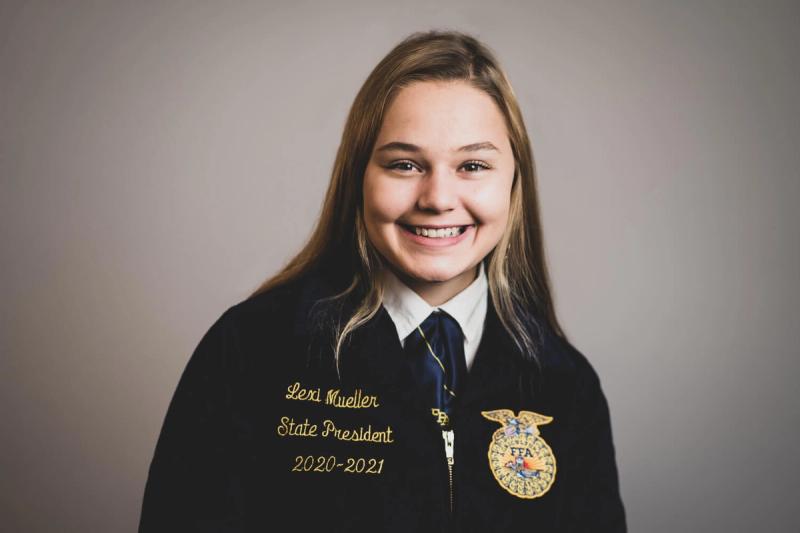
After studying agricultural education at Southern Illinois University Carbondale, Mueller stepped into the classroom and began her first year as an agriculture teacher and FFA advisor this past school year. She is one of many students who are inspired by FFA and go on to become teachers, advisors, and mentors, connecting students with hands-on learning experiences, career development events, service projects, and leadership opportunities that can shape their futures well beyond high school.
Mueller’s story also shows that leadership in FFA does not end when a student takes off the iconic blue jacket. The skills students gain, including public speaking, problem-solving, teamwork, and service, can carry them into careers where they continue to give back.
Marcellus FFA Opens Doors to Modern Agriculture
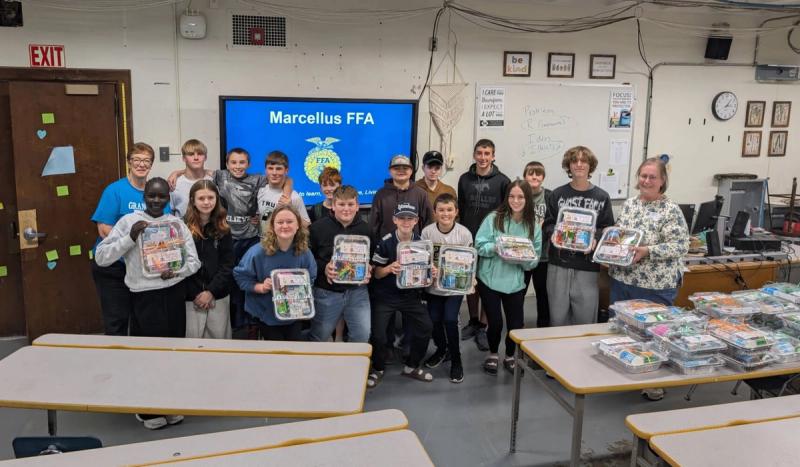
In New York, west of Syracuse, the Marcellus FFA chapter is taking another approach to building agricultural awareness by creating spaces where students can experience agriculture firsthand. Their hands-on learning environment includes a sawmill, greenhouse, maple production facility, orchard, and community garden.
What makes this chapter unique is that people do not need a background in agriculture to participate. They can plant, observe, harvest, enjoy the space, and ask questions. The older students have opportunities to lead by teaching and working alongside others, helping them develop leadership and communication skills as they guide others through the experience.
Hands-On Learning Becomes Lifelong Impact
These examples all look different, but they point to the same thing: agricultural education is one of the most practical and community-centered forms of learning available to students today. FFA members are not simply preparing for life on a farm. They are learning how to think critically, work with their hands, communicate with others, and understand the systems that support everyday life.
Some FFA members will go into careers on farms or ranches. Others may become teachers, turf managers, business owners, mechanics, scientists, natural resource professionals, food industry leaders, or community advocates. Regardless of the path they choose, agricultural education gives students a sense of belonging and a reason to contribute. It helps them understand where their food, fiber, and natural resources come from. It teaches them that leadership often begins with service. And it shows them that agriculture is not limited to one background, one career path, or one kind of student.
From a sports field in California to a classroom in Illinois to an agriculture building in New York, FFA members and advisors are proving that the future of agriculture is being shaped by students who are willing to learn, teachers who are willing to lead, and communities that understand the value of hands-on education.
Together, they are growing more than crops. They are growing skills, confidence, opportunity, and a stronger future for agriculture and beyond.
Tags:Features











Acreage Life is part of the Catalyst Communications Network publication family.