



Communications on the Homestead
How To Stay Connected, On & Off the Grid

So just how important is communication on the homestead? Well, think about what could happen on any particular day to you or your family. I remember the day my friend lost his thumb, due to a dumb mistake, to the tines of a rototiller. I vividly remember the day I tripped and fell through a storm door window, carving up my arm in the process. How many times have you sliced your hand with a kitchen knife? Currently, we are dealing with a severe Nor’easter threatening a whole lot more than just the Benner homestead. Without some form of communication, you are on your own if a situation arises.
How much thought have you put into communications, especially with all of the other things you need to deal with? How can you reach the house if something happens? More importantly, how can your family reach you? In this piece, I will look at how good communication can not only make life easier but it can also be the difference between life and death.
Communication Types
The Benner homestead has five forms of communication on hand. We have a landline, cell phones, two-way radios and good old-fashioned just telling people where we are going and when we are expected back. The fifth has nothing to do with two-way communication, but everything to do with getting information from the outside world. It is a radio that monitors channels for local news and the NOAA weather channel.
“Why five?” Well, where I live, cell service is spotty even during the best of times, which means that the landline, which operates off of the WiFi, is the most reliable. The two-way radios are how I keep in contact with the house while I am out working in the woods or the garden. They can also be used while I am out hunting or fishing, or in the case of emergency and the phones aren’t working, First Responders monitor dedicated public safety radio channels.
Land Lines
Many people think that the landline is “old school”, and in a way, it is. I like it because we can reach emergency help or receive calls if my daughter or grandchildren need help. The only way the landline will go down is if there are problems with the cable connection, which does happen.
Cell Phones
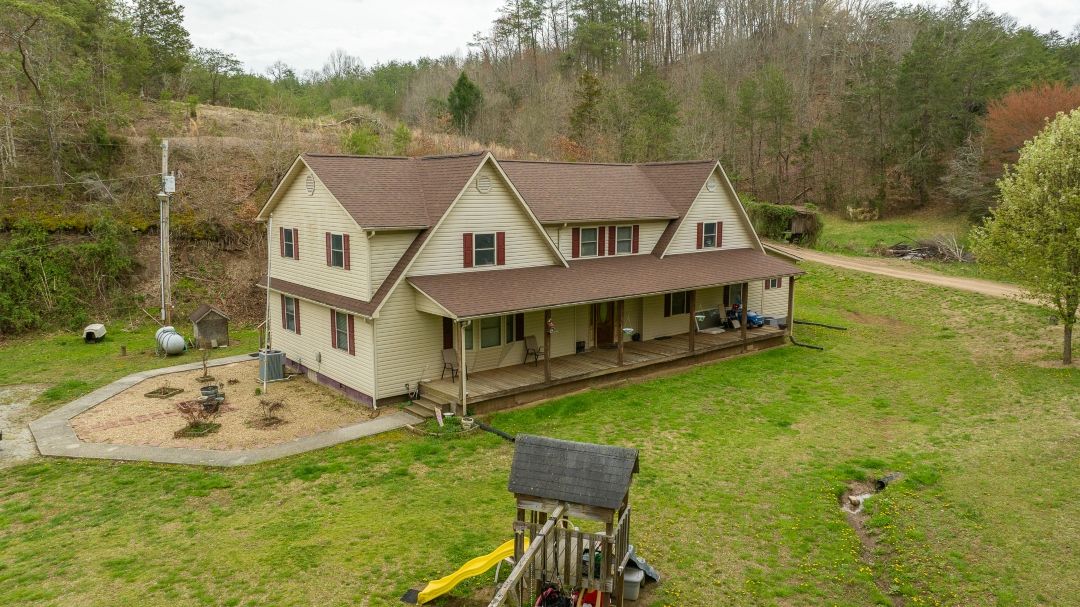
Cell phones are great as long as they work. Other than that, they are just expensive paperweights. My homestead in New Hampshire is located in a heavily wooded valley surrounded by mountains. Occasionally, we can get a signal on our cell phones, but I wouldn’t rely upon it.
Two-Way Radios
I can’t say enough good things about two-way radios. Although emergency services do not monitor consumer radio channels, other radio operators may be able to help relay a call for assistance.
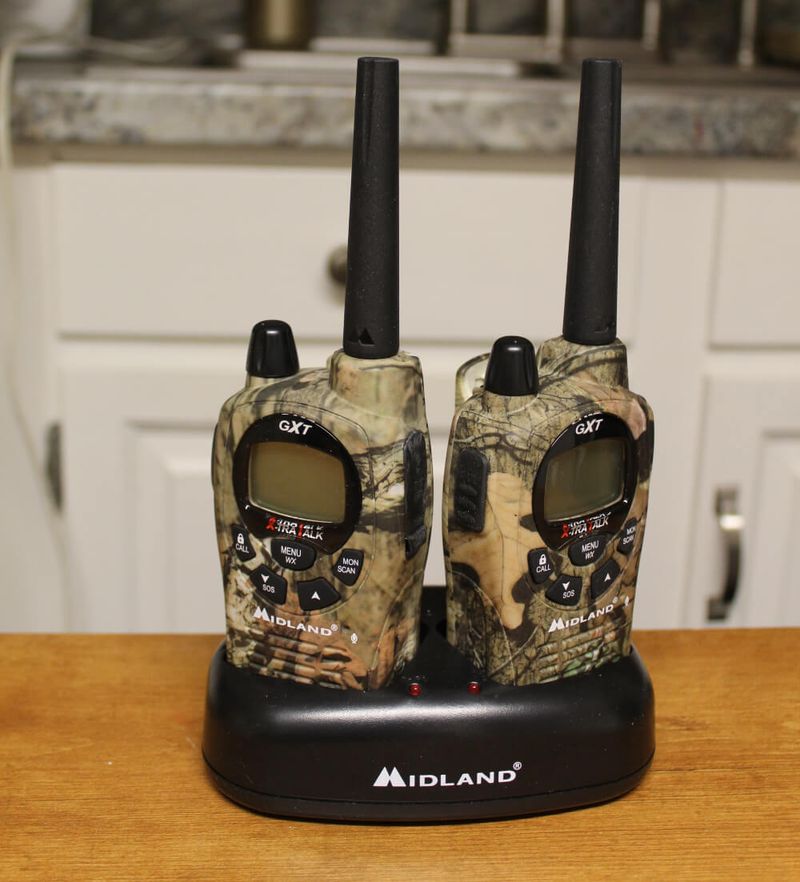
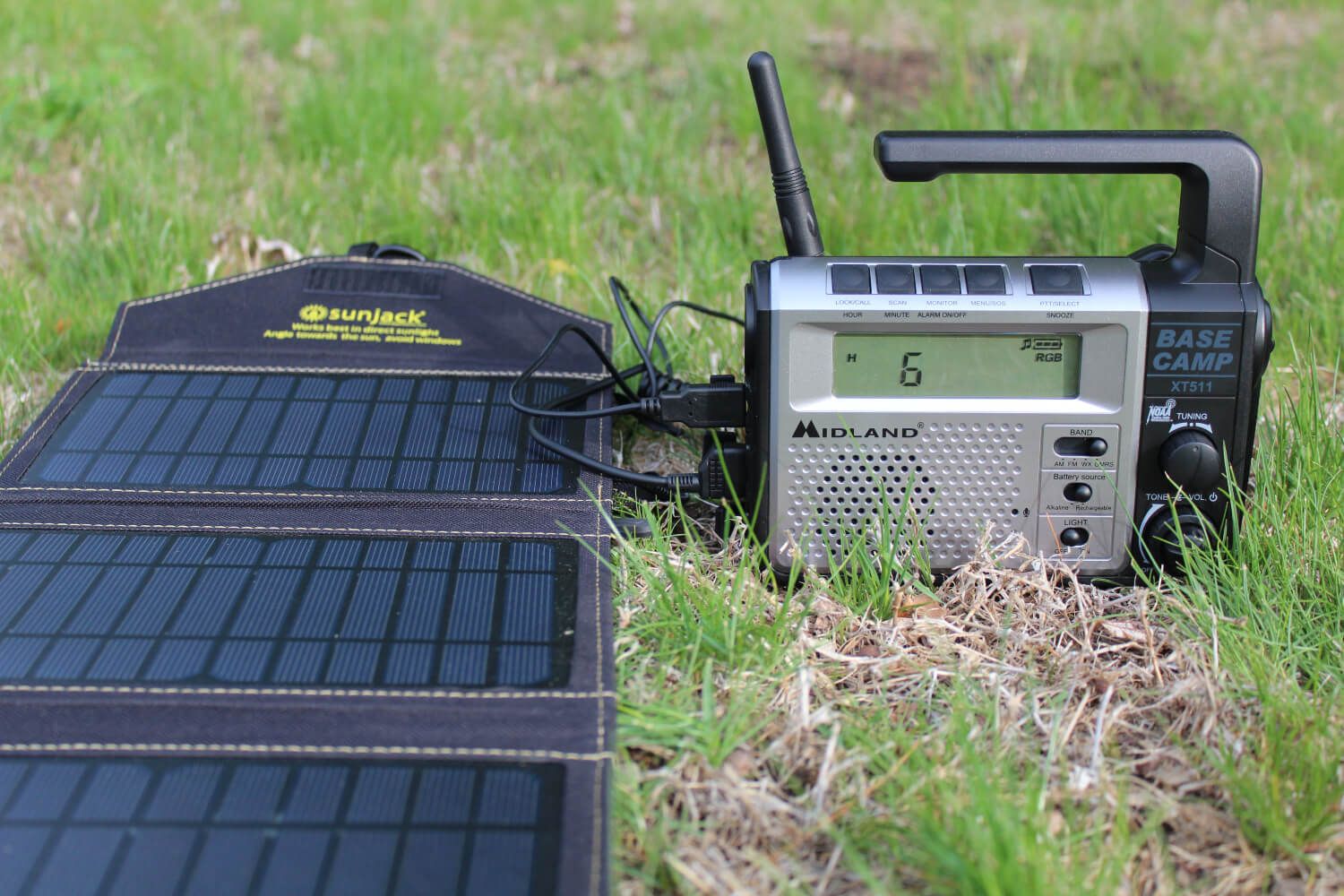
In the house is a small Midland Base Camp portable base station, which stays on at all times. When I am out in the woods, in the garden or out hunting and fishing, I carry a Midland GXT Xtra Talk radio. With this setup, I can communicate with the house, and more importantly, my wife can reach me if she needs to. I chose these radios in particular because they can operate on rechargeable batteries. The GXT radio has its own charging station, and the Base Camp has a rechargeable pack that runs on four AA batteries, has its own solar panel and has a crank to keep the pack charged.
Tell Someone
My last form of human-to-human communication is the most basic. It is just telling someone where you are going and when you expect to be back. I am usually out before my wife gets up, so I leave her a note on the table. She does the same for me. If something should happen, at least we have a general location to start looking.
Midland Radio
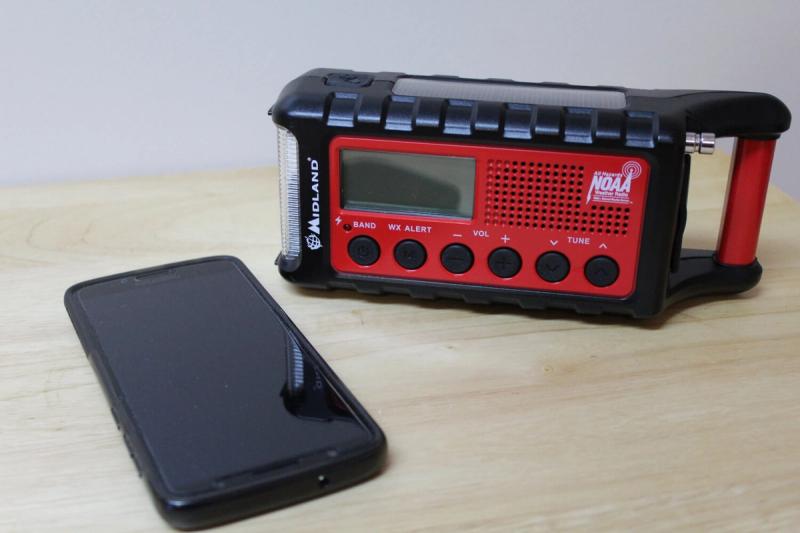
My contact to the outside world is a Midland radio. Yes, it has AM and FM, but more importantly, it picks up emergency channels, such as the National Oceanic and Atmospheric Administration (NOAA) weather channel. This is very important as it is vital to know when more bad weather is coming our way. This radio operates on rechargeable batteries, has an emergency crank to keep it charged and it also has its own solar panel. I have used this radio more than once, and believe me, I’m glad that I have it.
Keeping Power
To keep all of my electronic communications fully charged, I use a couple of different charging systems, including the Bushnell PowerSync and a Sunjack, both relying upon portable solar panels. The PowerSync is very flexible and rolls up like a map, though Bushnell no longer produces the product. Even though it is no longer available, my PowerSync is still going strong. The good news is that there are a host of other companies that produce portable solar panels, such as Sunjack, that offer a great line of reliable products. The Sunjack is a foldable series of three panels. My Sunjack is an older version and the panels, though small, are made of glass and thus are heavy. The newer models are much lighter. I have used both of them on the hood of my truck and in the outback of Arizona to charge my cell phone and my radios. These systems allow me to have fully operational communications even in the dead of winter, off the grid and when the grid goes down.
Communication Is Preparation
Let’s face it, stuff happens. In the woods, it could be accidents with saws and axes, or a widow maker coming down. Maybe you are facing some sort of medical emergency. Then there are the situations that you can never plan for. The bottom line is that no one can plan for every situation, but having a dependable communication system can help you respond when the unexpected happens.
Tags:Homestead How-To











Acreage Life is part of the Catalyst Communications Network publication family.