



Animals That Actually Thrive in Cold Weather
Choosing the Right Breeds for Winter Conditions on Small Acreage

Cold means different things depending on where you live. For some, 40 degrees Fahrenheit is jacket weather. For others, it is mild enough for shorts and a T-shirt. What matters to livestock owners is not how it feels. It is knowing which animals are built for real cold survival, so you are not heating barns or fighting stress every time temperatures drop.
Here is a practical look at winter-ready livestock that work well on small acreage, why they perform better in cooler climates and when these same breeds may not be the best choice for families in hot or humid regions.
Why Choose Cold Hardy Breeds
For small-acreage families, winter-adapted animals can mean:
- Less reliance on heat lamps
- Lower risk of cold stress or respiratory illness
- Lower stress for both animals and owners
- Better forage efficiency in rough conditions
These breeds evolved or were selected in places where winter was not optional. It was reality.
Cattle Breeds That Handle Cold Well
Scottish Highland Cattle
Highlands are one of the most recognizable winter breeds because of their thick coats and low maintenance needs.
According to the American Highland Cattle Association, their double coat and efficient metabolism allow them to handle harsh winter climates with minimal shelter. They also forage well on sparse pasture and tend to have calm temperaments, which suits family acreage.
While Highlands certainly can live in southern states, especially when crossed with heat-tolerant breeds, owners in warm or humid regions should be aware that they can overheat more quickly than other cattle. Management may require shade structures, barn fans, ample water access or limiting activity during the hottest hours.
Sheep Built for Harsh Winters
Icelandic Sheep
This ancient breed evolved in sub Arctic conditions.
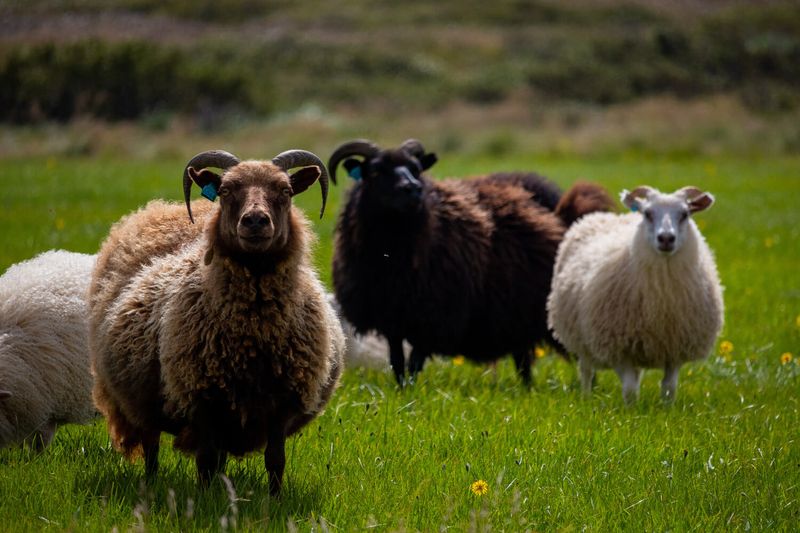
The North American Icelandic Sheep Breeders Association notes that these sheep have a dual coat that naturally insulates against cold and wind. They also lamb easily, have strong maternal instincts and show good parasite resistance in cooler climates.
However, they tolerate heat poorly without heavy shearing, shade and airflow.
Goats That Can Beat Winter Winds
Kiko Goats
Kiko goats were developed in rugged New Zealand terrain, where survival was the goal rather than pampering.
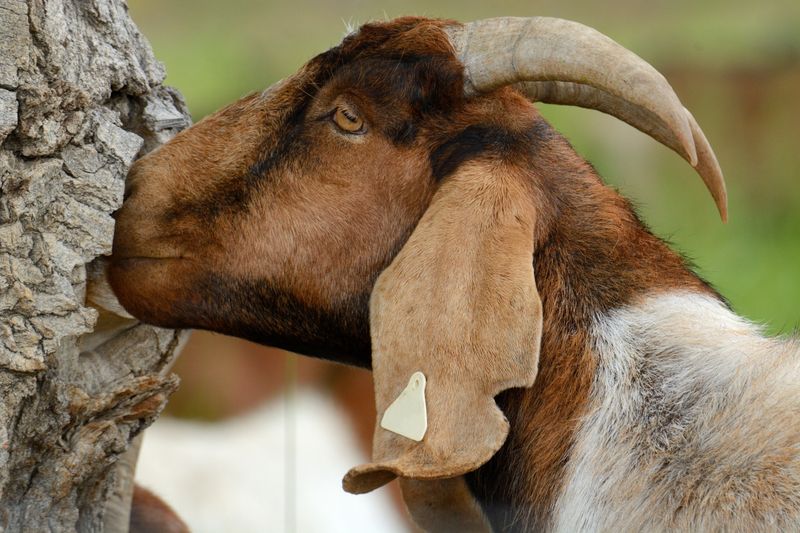
The American Kiko Goat Association reports that Kikos excel in low input environments, resist parasites better than many dairy breeds and cope with cold stress effectively. They often outperform high production dairy breeds when pastures are sparse or conditions are rough.
In hot and humid regions, they still do well, but parasite management becomes a key priority.
Cold Hardy Swine
Mangalitsa Pigs
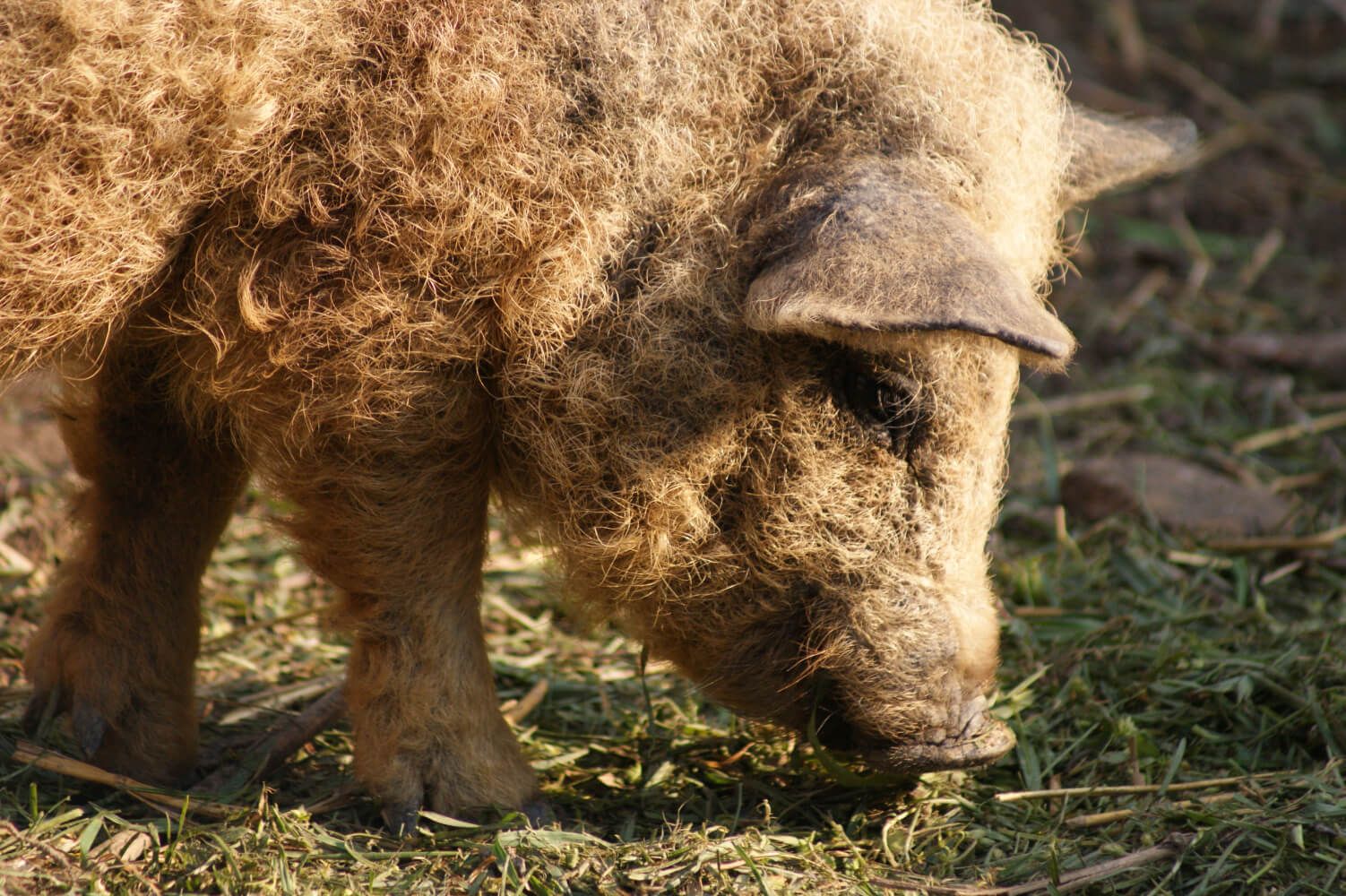
These wooly pigs almost resemble sheep, and it is not just for looks.
According to the Livestock Conservancy, Mangalitsas have thick curly hair, retain fat well and handle cold better than many commercial hogs. They do take longer to reach butcher weight compared to conventional pork breeds, which is a drawback for owners focused on feed efficiency.
Chickens That Do Not Mind Snow or Cold Wind
Some chicken breeds perform much better in winter than others.
The Livestock Conservancy and poultry breed associations describe Buff Orpington, Plymouth Rock, Wyandotte, Australorp and Chantecler as cold tolerant. These breeds have dense feathering, calm temperaments and smaller comb structures that reduce frostbite risk. Chanteclers were specifically developed to withstand Canadian winters.
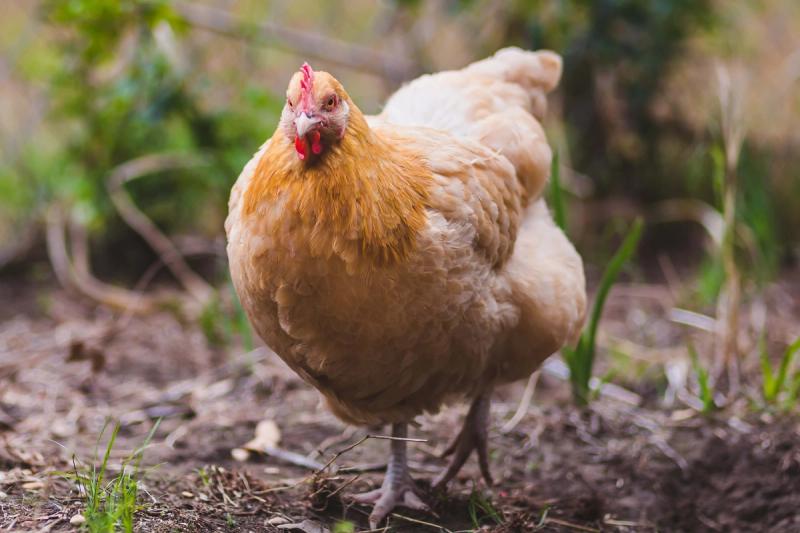
These breeds may struggle more in high heat than they do in sub freezing temperatures.
Rabbits Built for Cold Weather
Silver Fox Rabbits
Rabbits generally do better in cold than heat, but some breeds are standouts.
The American Rabbit Breeders Association and the Livestock Conservancy state that Silver Fox rabbits have dense coats, efficient meat qualities and calm temperaments. With bedding and wind protection, they handle winter well without heated barns.
Keeping Cold Weather Breeds, What Helps Most
If you already have or plan to add cold-adapted animals to your acreage, a few simple tools make care easier. Movable windbreaks, clean straw bedding, access to unfrozen water and a reliable forage supply go a long way in supporting winter breeds. Likewise, if you live in regions with sudden heat waves or humid summers, shade and airflow are equally important to help cold-hardy animals stay comfortable.
The goal is not complex infrastructure, but common-sense support that matches your animals to your environment.
Final Takeaway
If your climate brings true cold spells, selecting breeds that stay comfortable during temperature drops can reduce stress and management needs.
These winter-adapted animals are not just surviving the winter season; they are designed for it. While certain breeds may catch your eye, the healthiest and most sustainable homesteads are built by choosing livestock suited to your climate and capacity, reducing financial risk and avoiding unnecessary stress for you and your animals.
Tags:Homestead How-To













Acreage Life is part of the Catalyst Communications Network publication family.