


The Homestead’s Perfect Pup
Picking A Reputable Breeder for Your Working Dog


Choosing the right breeder is not just a one-time transactional interaction. A preservation breeder is there for you and your puppy for its entire life!
From the beginning, they take the time to get to know you, understand your lifestyle and family needs and help you make an informed decision about which puppy in a litter best suits those needs. This doesn't end when you take the puppy home; it is just the beginning. They will be there to help you with training and rearing questions, and even take the puppy back if a life change gets in the way.
Whether you’re raising a livestock guardian dog, a stock dog, a hunting companion or a family pet, knowing what a reputable breeder demonstrates ensures you get a healthy, well-bred dog suited to your land, your work and your family. With so many breeds and purposes, understanding a breeder’s standards and practices is the key to setting your dog and your acreage up for success.
Choosing the right breeder can often be confusing and daunting for the average person. A lot of fancy words, flashy websites and salesmanship, or lack thereof! So how do you separate the wheat from the chaff, so to speak?
What is a Preservation Breeder
A preservation breeder is exactly what the name suggests, someone who has dedicated themselves to preserving the traits, heritage and abilities of the breed of their choice. They demonstrate their dogs’ abilities in the show ring, the hunting field or the stock arena with guardian dogs.
They actively compete or have real working dogs that perform the jobs they were bred for, daily. Ideally, they are doing both or have dogs that they bred that are.
They are health testing their dogs according to their breed club's recommendations. More on what that is, and the questions to ask and what to look for on this, a little later.
These people are passionate about their dogs and where their puppies go!
Where to Find a Preservation Breeder
So you’ve decided which breed best fits your family and lifestyle, but where do you find reputable breeders? A great place to start is your chosen breed’s official breed club.
The American Kennel Club website is a great starting point for this, or a Google search with “your breed of choice - club” will usually yield good results. These clubs are the overseeing bodies for their breed. They will usually have a list of breeders or a contact person to help locate one. They will have the recommended health testing for their breed listed; all breeders you look at should be doing this testing.
Health Testing
Which brings me to health testing. What is it and why is it important?
All breeds have health issues, just as humans do. Some of them are common among many breeds, such as hip or elbow dysplasia, eye issues, etc. Some are unique to a particular breed, or set of breeds, such as hearing issues.
As breeders, we cannot eliminate every single issue, but we can strive to produce as few of these problems as possible. Testing is a key tool for breeders to make informed decisions and produce puppies with the best chance of avoiding these health problems.
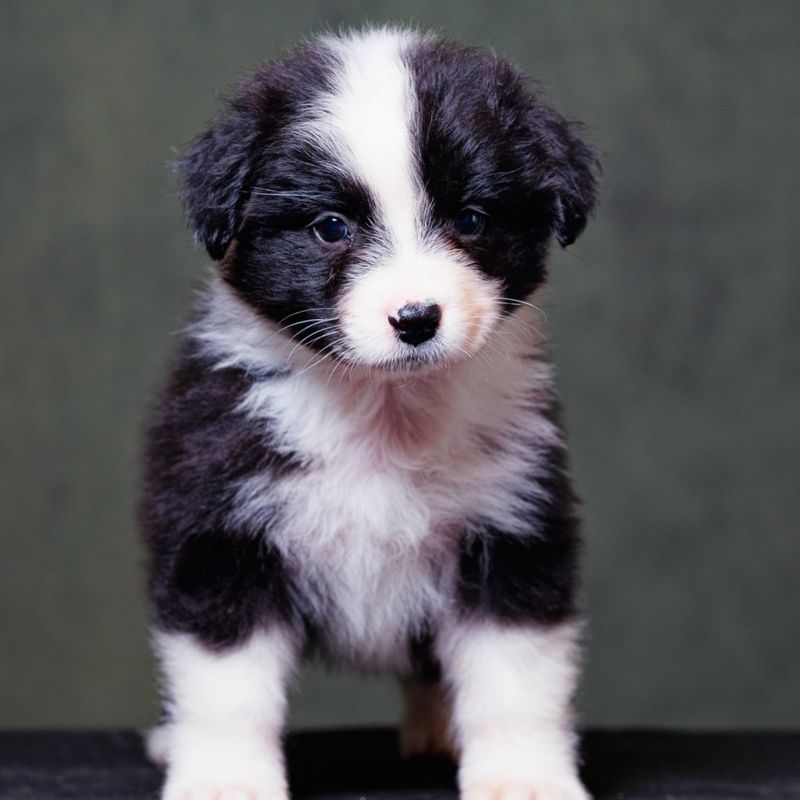
The Australian Shepherd, for example, has hip and elbow dysplasia, a slew of genetic disorders we have direct tests for and eye issues that require yearly exams by a board-certified ophthalmologist.
The Orthopedic Foundation for Animals (OFA) is a record-keeping body for many breeds’ test results and ratings for dysplasias of various types. It has a search tool to check records and results for each dog tested. Be sure to ask your breeder about the testing required for their breed, and be familiar with the required tests yourself, which you can find on OFA and your breed club websites.
Embark testing or purely genetic panel testing does not replace radiography in breeds that are prone to dysplasias or eye issues that require a physical exam.
The Just-Right Puppy vs the Right Now Puppy
Be prepared for a breeder to interview you just as much as you interview them! They want to make sure you're the right fit for their puppies as much as they are the right fit for you.
Understand that many breeders have waiting lists, and be prepared to wait. The just-right puppy is better than the right now puppy. Wait for the one that fits your family, and understand that most breeders will not allow preferences for eye color, markings, etc.
Puppies should be priced by quality, or by litter, never by eye color, gender or markings.
There are so many more fine points I could write about in the search for the right breed, the right breeder and how to find them. In a nutshell, however, these are the basic tools you need to find the right puppy and right breeder.
The best advice I can give is take your time, find a breeder you click with and understand this is a lifelong commitment to both the breeder and the puppy. With these things in mind, you will be sure to find the right companion or working dog for your family!
Tags:Homestead How-To













Acreage Life is part of the Catalyst Communications Network publication family.