



How Farms Feed Our Festive Traditions
Celebrate the Season With Local Flavors

Whether you're supplementing your own stored harvest or planning a complete holiday feast, connecting with local farms creates more sustainable, flavorful celebrations while supporting rural communities.
Here's how to make agriculture-centered choices that enhance your holiday traditions.
The Deep Roots of Holiday Agriculture
Our most cherished customs spring directly from agricultural rhythms that have shaped human communities for millennia. These seasonal celebrations weren't arbitrary — they reflected the fundamental human dependence on agricultural cycles.
Holiday feasting represented both gratitude for autumn's abundance and confidence in communities' ability to preserve and store food through careful agricultural planning. Christmas tree cutting celebrated the forest's gift of warmth and light during cold months.
Traditional holiday meals reflect this agricultural reality. The foods that grace our tables — root vegetables, winter squash, preserved meats, stored grains and dried fruits — represent crops specifically chosen for their ability to sustain communities through months when fresh food wasn't available. These storage crops and preservation techniques weren't just practical necessities; they became the foundation of celebratory cuisine that connected communities to the land's seasonal rhythms.
When we participate in holiday agricultural traditions today, we reconnect with these deeper rhythms. This foundation makes every practical choice about holiday sourcing more meaningful — each decision connects us not just to individual farmers, but to the agricultural heritage that created our celebrations in the first place.
Choosing Sustainable Christmas Trees
What to Look For: When selecting a Christmas tree, seek out farms that practice regenerative agriculture. Sustainable Christmas tree farms plant one to three seedlings for every harvested tree, absorb 500 pounds of carbon dioxide per acre annually and provide wildlife habitat for birds, insects and small mammals.
Look for operations using organic pest management and water-efficient irrigation.
Where to Shop: Visit choose-and-cut farms for the freshest trees and direct farmer support. Many farms offer hayrides, hot cocoa and educational tours that connect families to agricultural practices. If farm visits aren't possible, ask local garden centers about their tree sources — many partner with regional growers.
Environmental Impact: Real trees decompose naturally and can be recycled into mulch, unlike artificial trees made from non-biodegradable PVC that end up in landfills. A real tree grown locally has a significantly smaller carbon footprint than artificial alternatives manufactured overseas.
Locally Sourced Holiday Meal Planning
Protein Centerpieces: Order pasture-raised turkeys directly from local farms two to three weeks in advance. These birds, raised on rotational grazing systems, offer superior flavor and nutrition while supporting soil health. Ask farmers about feed sources — non-genetically modified organisms, locally-grown grains indicate comprehensive sustainable practices.
For alternative proteins, consider locally-raised ham, duck or goose. Many farms offer processing services and can provide cooking instructions specific to their animals' diet and lifestyle.
Complementing Your Stored Harvest: If you've preserved summer produce, focus local purchasing on items that store poorly or weren't in your garden:
- Fresh dairy: Local butter, cream and cheese for rich holiday dishes.
- Winter greens: Kale, collards and brussels sprouts that thrive in cold weather.
- Root vegetables: Supplement stored potatoes and carrots with parsnips, turnips and winter radishes.
- Fresh herbs: Rosemary, thyme and sage for seasoning.
- Specialty items: Cranberries, winter squash varieties and locally-produced maple syrup or honey.
Agricultural Holiday Traditions to Explore
Farm Experiences: Visit cranberry bogs during harvest season (September to November) to understand traditional flooding and harvesting methods. Many farms offer tours demonstrating sustainable water management and wildlife conservation practices.
Participate in choose-and-cut Christmas tree traditions that teach children about forest management and agricultural patience. Did you know that trees require six to 12 years to reach harvest size?
Winter Farmers Markets: These seasonal markets specialize in storage crops, preserved foods and value-added products. They're ideal for finding locally made gifts such as preserves, honey, maple products and artisan breads while supporting multiple farm families.
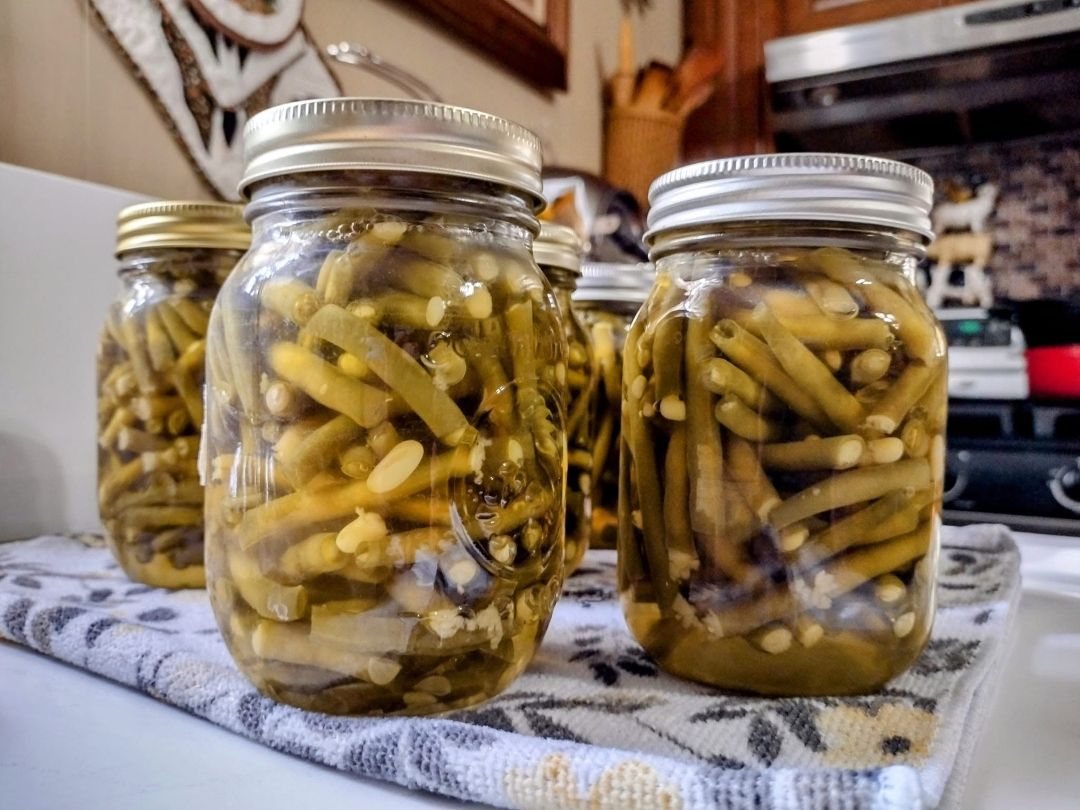
Food Preservation Learning: Connect with local extension offices or farm organizations offering workshops on traditional preservation methods. Learning to can, ferment or cure foods creates year-round connections to seasonal abundance.
Supporting Local Farms During the Holidays
Holiday spending represents a crucial revenue period for many farms as they prepare for winter months and plan next year's operations. Strategic purchasing decisions during this season can significantly impact farm viability while enhancing your celebration's quality and sustainability.
Making your purchases directly from the farmer keeps more of the sale profits in their pockets. Here are some ideas for buying straight from your local farms:
- Farm stands and farmers’ markets: Buy produce and specialty processed goods directly for maximum farmer profit margins.
- Community Supported Agriculture (CSA) winter shares: Ongoing subscription provides steady income to farmers during slower months.
- Online farm platforms: Many farms offer online ordering with pickup or delivery options.
- Grocery store local sections: Ask managers to expand local offerings and identify regional suppliers.
Farmers always appreciate local support, but consider focusing some of your purchases on items that significantly impact farm economics:
- Fresh holiday proteins: High-value items with substantial profit margins.
- Value-added products: Preserves, baked goods and processed items require farm labor and generate higher returns.
- Storage crops: Apples, winter squash, root vegetables and potatoes store well and provide steady farmer income.
- Dairy and eggs: Weekly purchases create reliable cash flow for livestock operations.
You can also support your local farmers by buying from them for your holiday gift giving.
Consider:
- CSA memberships for friends and family
- Local honey, maple syrup or artisan food gift baskets
- Farm-made soaps, lotions and crafts
- Shares in community-supported livestock programs
Advance Planning Benefits: Order holiday items early to help farmers plan production quantities and manage cash flow. CSA deposits in fall help fund spring equipment purchases and seed orders. As a bonus, you get your holiday shopping done early!
Extending Support Year-Round
- Follow local farms on social media and share their posts
- Dine at restaurants featuring local ingredients
- Attend farm events and workshops throughout the year
- Recommend favorite farms to friends and neighbors
Cultivating Tomorrow's Traditions
The choices we make this holiday season extend far beyond our own celebrations. By supporting sustainable Christmas tree farms, sourcing ingredients from local producers and participating in agricultural traditions, we invest in the future of rural communities and ensure that the agricultural foundation of our holidays remains strong for generations to come.
As you plan your holiday meals and decorations, remember that you're not just feeding your family or beautifying your home — you're participating in an ancient partnership between human communities and the land that sustains them.
This partnership, renewed through each growing season and celebrated through each holiday tradition, ensures that future generations will inherit not just recipes and customs, but thriving agricultural communities capable of feeding and nurturing their celebrations for years to come.
Tags:Acreage Accents












Acreage Life is part of the Catalyst Communications Network publication family.