



Garden Transitions
Timing Your Final Grazing Passes

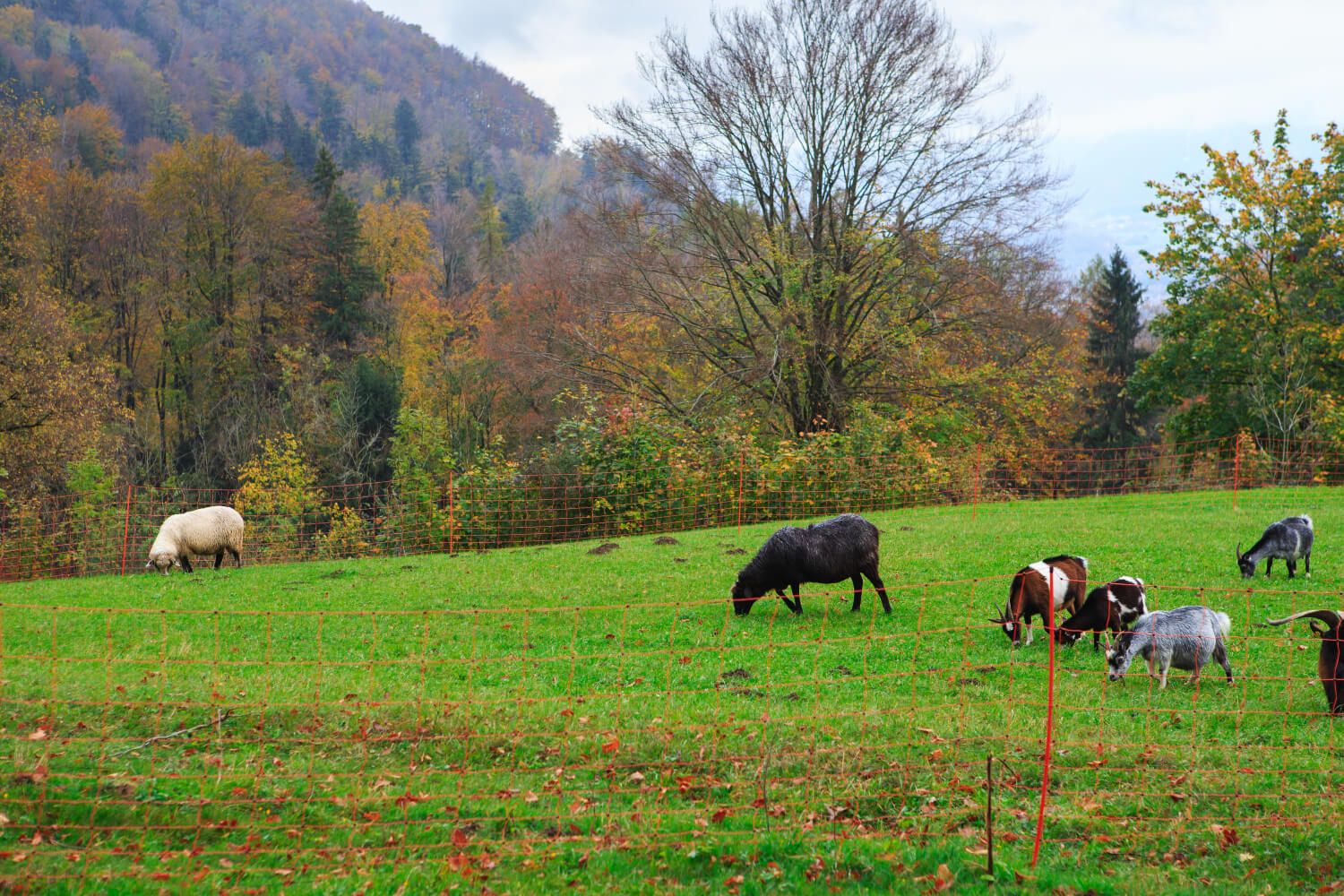
Late summer feels like a break. Whether you’re caring for a few grazing animals on acreage or winding down a productive garden season with your prized dahlias, it’s easy to think the hard work is behind you. The garden is winding down, pastures look tired but familiar and the frantic pace of spring and early summer has faded. But that quiet stretch is deceptive. The real work of fall starts right now.
Why Fall Planning Starts in Late Summer
The biggest mistake you can make is waiting. Soil temperature and moisture windows are open now, but they don't stay open long. Once fall settles in, cool soil slows germination, and late-planted cover crops or fall forage end up as weak, thin stands that can't survive the first hard frost.
For grazers, the cost shows up later. Overgraze a pasture now or skip a rest period, and you'll see the damage next spring as slow green-up and thin stands. The choices you make in August and September echo through the whole next season.
So what does planning actually look like? Start by walking your pastures and garden beds to assess their current condition. Note which fields are grazed down, which beds are spent and where compaction or bare soil is showing. Then test your soil while there's still time to amend it before planting.
Steve Corcoran, CEO of Lawn Love, stresses the importance of this early testing. "It is a good idea to test your soil before fall planting. Test it for nutrient deficiencies and pH levels, and then research the plants you want to grow to see if they have any specific soil needs or preferences," Corcoran says. "With all of that information, you can see if your soil needs any amendments, general amendments to improve soil health or specific alterations to make the soil uniquely equipped to support the fall plants you are going to grow."
Testing isn't only about nutrients, though. Physical soil conditions matter just as much. Daniel Crowley, CEO of Hello Gravel, urges producers to look deeper. "I always advise evaluating and checking their drainage and soil compaction instead of just the soil nutrient testing when it comes to planting," Crowley explains. "In rural areas, having poor drainage can impact gardens, grazing areas, gravel access roads and equipment roads. This is important to keep in mind since these paths are needed during the winter and fall."
With that information in hand, map out which fields or beds need rest, which need reseeding and which are due for rotation. A little assessment now sets the stage for every decision that follows.
Late-Season Grazing Management
For livestock producers, late summer is when you set the stage for fall and winter grazing. Three tasks deserve your attention: timing your final grazing passes, stockpiling forage and seeding cool-season annuals.
Timing the Final Grazing Passes
As the season turns, pasture growth slows. Learning to read that slowdown helps you avoid grazing too hard, too late. Once plants stop putting on new growth, every extra bite pulls from the reserves they need to survive winter and bounce back in spring.
Leave residual cover behind. That standing forage protects crowns and roots, insulates the soil and speeds recovery. Grazing pastures down to the dirt now almost always delays spring green-up and thins your stand for the following year.
Stockpiling Forage for Fall and Winter
Stockpiling means letting a pasture grow and accumulate forage now so you can graze it later, often well into fall and winter. Tall fescue is one of the best forages for this because it holds its quality and stands up to cold weather better than most.
To build a good stockpile, time your nitrogen applications right. A well-timed application in late summer can boost growth and give you more forage to carry into the colder months. Then set up rotational access so you can strip-graze that stockpile in sections, stretching your grazing further and cutting down on winter feed costs.
Transition Seeding for Cool-Season Forage
If you're planting cool-season annuals, aim for the right window. Early enough to establish before frost, but not so early that summer heat stresses the seedlings. Match your species to your soil type and grazing goals, and pay close attention to soil moisture and seedbed prep.
That prep work depends on ground conditions, and timing is everything. As Crowley notes, "You have to complete big field work when the ground is still dry and firm to support equipment. It is difficult when the soil is already saturated because this may result in additional maintenance." Getting your seeding and equipment work done while the ground is firm protects both your fields and your machinery.
Garden Wind-Down & Cover Crop Planting
Gardeners face a parallel task: closing out summer beds and setting them up for a stronger spring. The steps rhyme with what grazers do, even if the scale is different.
Closing Out Summer Beds
Start by removing spent crops and managing the leftover plant residue. Healthy, disease-free material can go into the compost pile, while anything showing signs of pest damage or disease is better discarded to avoid carrying problems into next year.
While you're clearing beds, assess the soil underneath. A hard, busy season often leaves soil compacted and depleted. Note where water pools, where the ground feels packed down and where nutrients have clearly run low.
Watch for pests, too. Corcoran points out that this is a critical moment. "Assess your soil for any pest issues or drainage problems. You don't want any pest problems when you go to sow new plants," he says. "Plants at any stage can be vulnerable to pest damage, but they can be especially vulnerable when newly planted, possibly not being able to grow successfully after that point."
Choosing & Planting Cover Crops
Cover crops are the garden's version of stockpiling. They protect and rebuild soil during the off-season. Popular fall options include cereal rye, clover, oats and vetch, and each brings something different to the table.
Match your cover crop to your goal. Cereal rye and oats excel at erosion control and suppressing weeds. Clover and vetch are legumes that fix nitrogen, feeding your soil naturally for next spring's plantings. Many gardeners plant a mix to get several benefits at once.
Timing matters here as much as anywhere. Seed your cover crops early enough before the first frost so they establish solid roots and top growth. A well-established cover crop holds soil in place all winter and gives you a head start come spring.
Building Fall Fertility
Fall is a smart time to add organic matter, since it has all winter to break down and enrich your soil. Let your soil test guide the amendments you choose rather than guessing.
Good structure underpins everything. As Crowley puts it, "When planting, make sure that you have a good soil structure to help the root grow. A good drainage system also prevents soil from being washed out. The quality of the soil is really important, especially for farmlands. When you have the correct mineral in your soil, it can help your plants grow more." Setting up your beds now makes spring dramatically easier.
Shared Lessons for Pasture and Garden
Pastures and gardens may look like different worlds, but they share the same foundations.
Both depend on soil health above all else. Whether you're feeding livestock or growing vegetables, the living soil beneath your feet determines what's possible. Both also reward early action over last-minute scrambling. The producers and gardeners who thrive in fall are the ones who tested, mapped and planted while the windows were still open.
And both benefit from a written plan. A simple calendar of tasks, soil testing dates, seeding windows, nitrogen applications and bed cleanup keeps you from missing the moments that matter.
One shared lesson often gets overlooked, though: infrastructure. Crowley sees it constantly. "A lot of times, landowners tend to neglect farm infrastructure. They forget how autumn roads can be a bit critical," he says. "Bad roads trap and delay heavy tractors and equipment. Good property management helps you prepare for planting during the fall season. Having reliable roads supports heavy trucks and equipment, which can speed up your daily work." Clearing blocked ditches and firming up gravel drives now keep your whole operation moving when the weather turns.
Fall success is built in late summer. The quiet weeks between the peak of the season and the first frost are your best chance to set up strong pastures and productive garden beds.
Test your soil for nutrients, pH, drainage and compaction. Map out which fields and beds need rest, reseeding or rotation. Time your final grazing passes, build your forage stockpile and get cover crops in the ground while conditions are right. Don't forget the roads and ditches that keep your equipment rolling.
Act now, before the windows close. Smart transitions today mean less stress, healthier soil and stronger results when next season arrives.
Tags:Garden & Landscape










Acreage Life is part of the Catalyst Communications Network publication family.