



Winter Prep Without the Rush
How to Winterize Without Breaking the Bank

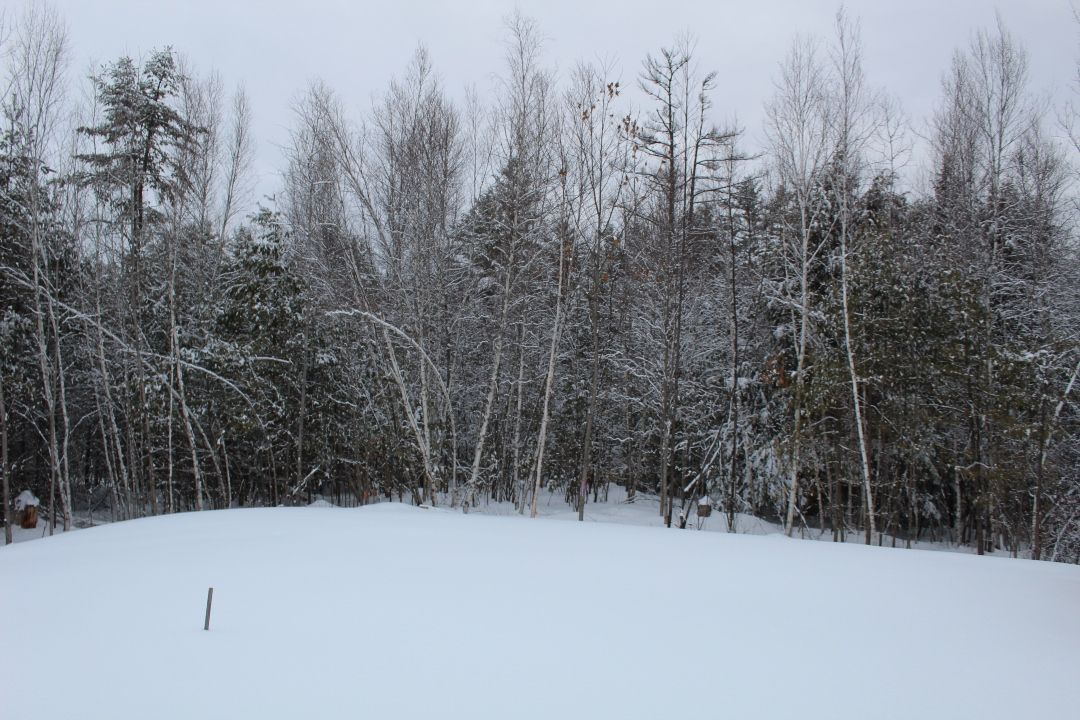
Every year it seems that the winter weather comes earlier, lasts longer, and is much colder than it has been in the past. In some areas of the country, that is true. Data indicates that areas not known for severe winter weather are experiencing extremes that few are prepared for. I hope what I cover here will help you cope.
Around here, preparing for winter is a year-round task. Doing this preparation gradually will also benefit you financially. Materials and the potential damage from unresolved issues are always more expensive when you wait until the last minute.
Every year, as the snow disappears, I start a list of the things that need to be done before the next snowfall. Believe me, that list never seems to get any shorter. With the years, I have learned to break things down into categories and then the order of importance in each category. It is not perfect, but it does seem to help. What follows is how I set up my list.
Take Stock
Taking stock is simply seeing what supplies I have left, how much was used, and seeing what repairs I need to do and what supplies are needed for those repairs.
To know where I stand, I need to know where I’ve been. I began keeping records on everything many years ago, and it is these records I use as a starting point. I can see how much fuel it took to keep the homestead running (wood, oil, gas, etc.) and how much it cost. I know how much food I have in the freezer and the stock of canned goods there are on the shelves. After reviewing the lists, I can come up with a plan to get things back to what they were and make any adjustments.
Food
One thing that is often overlooked, especially in times of plenty and lower costs, is food. In the dead of winter, during a blizzard, is not the time to realize that the shelves are bare.
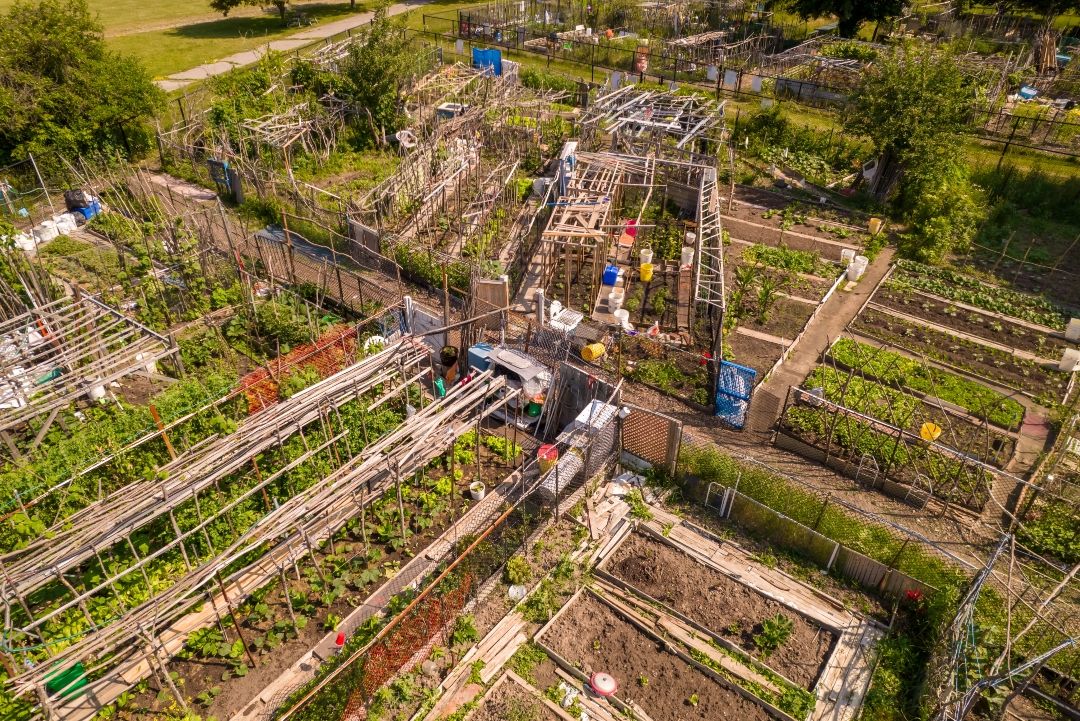
During planting, I am thinking about the garden, with emphasis on long storage crops. Root crops are always at the top of my list, as are hard-shelled winter squashes. As I don’t raise livestock, hunting and fishing will continue throughout the year, if legal, in an effort to fill the freezer. Shortfalls will be made up by purchasing other meat from local farms.
Besides preserving my own produce, I also stock up on commercially canned fruit and vegetables when they come on sale. The same goes for dry goods such as rice, beans, pasta, and cereal. The trick is to do a little at a time, look for bargains, and don’t be ashamed to purchase store brands. Stretch your dollar as far as you can.
Fuel
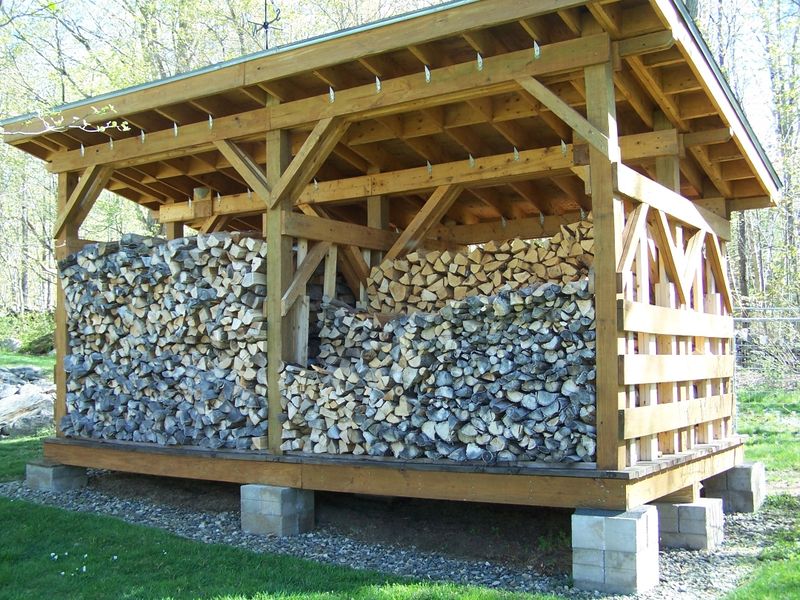
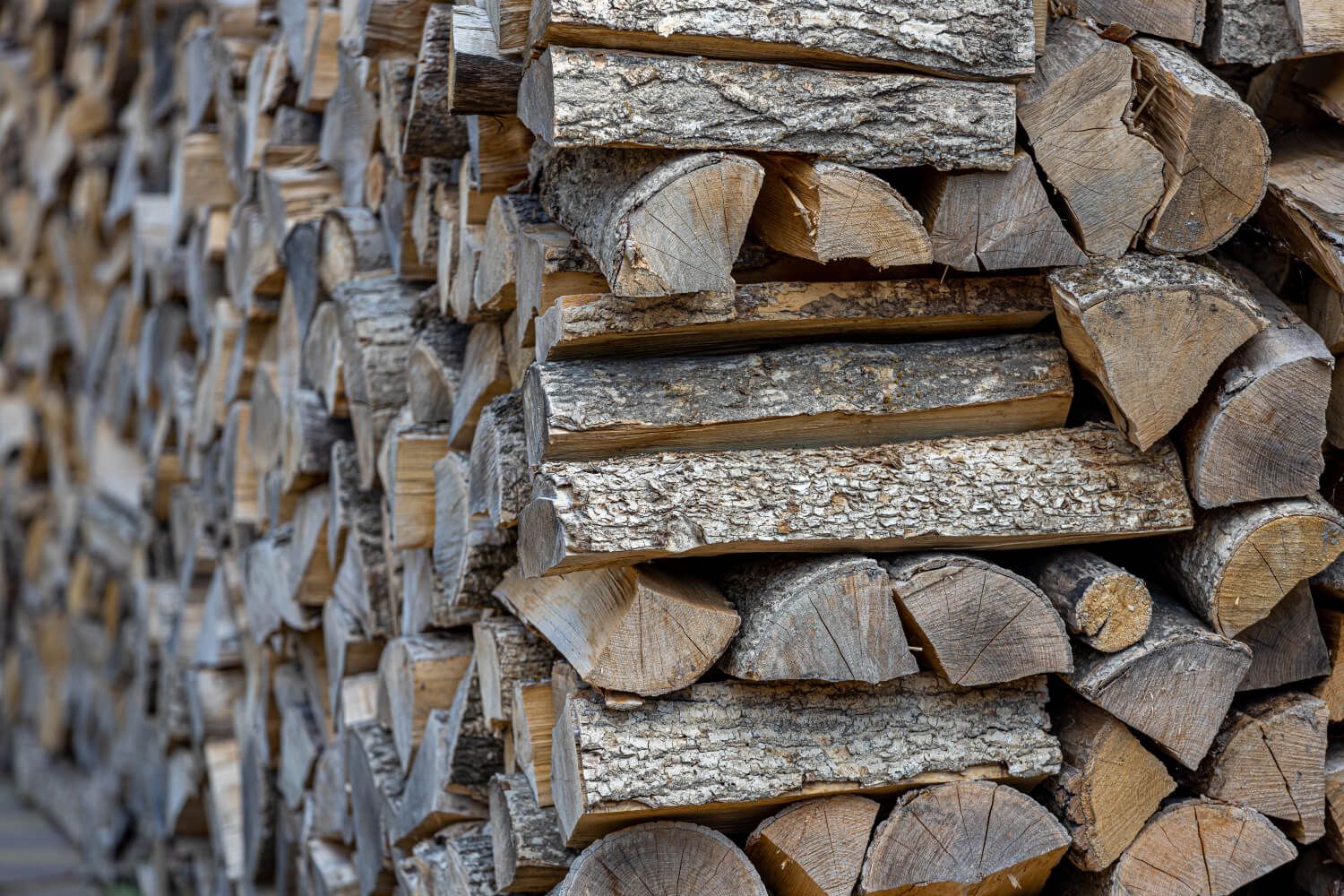
Review your records and see what the trend is regarding your fuel use. Is it remaining about the same, or is it spiking? The price you pay for fuel will constantly change, but your usage should stay about the same. If you use wood, how many cords do you average? The same goes for oil and propane.
Following the averages and seeing how much you have left at the end of the season will dictate how much you will need to obtain to replenish your supply before winter rolls around again. If you notice that you used a great deal more than average, then you need to figure out why. An extreme cold winter could be the problem, but it could also indicate that you need to check your system. Perhaps you need to add more insulation, or your equipment needs some maintenance. Look for the easy fixes first.
Shelter
Making your home weather-tight and fixing problems is a constant chore, but doing the work now is much better than doing it in the middle of a snowstorm. The seals on windows and doors weaken with time and attic insulation settles. Find where air is leaking by using the old candle trick. If the flame flickers, then you have a leak.
Do a complete inspection of all your buildings, focusing on the roof and siding. Branches fall during storms, some causing holes. Small holes become large problems if they are not fixed, making it more cost-effective to fix them now.
In areas where it gets really cold, or if your home does not have a basement, it is important to insulate your water pipes to keep them from freezing. Foam pipe “noodles” are inexpensive and make a world of difference. Pay close attention to elbows and joints, as these are your weakest points.
Remember to check your woodstove and pellet stove. Improperly working stoves not only waste fuel, but they may also fail when you need them. Worse yet, they could start a fire.
Animals
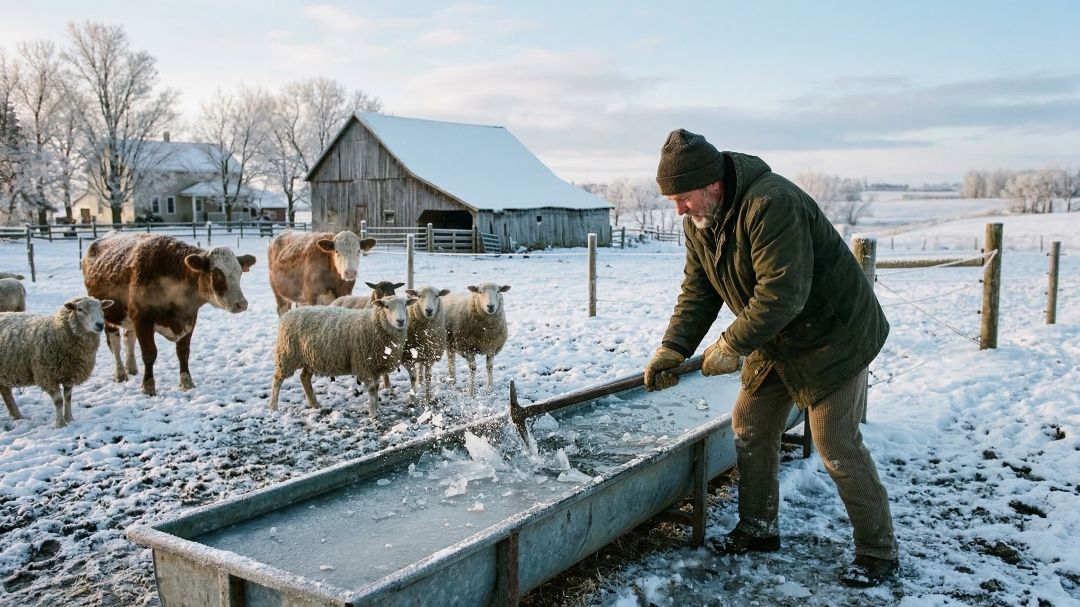
Before the cold weather sets in, make sure to have plenty of food for your animals. The middle of winter is not the time to be searching for a few bales of hay or sacks of grain. Not only will you be lucky to find any, but you will also pay a very high price for what you do find.
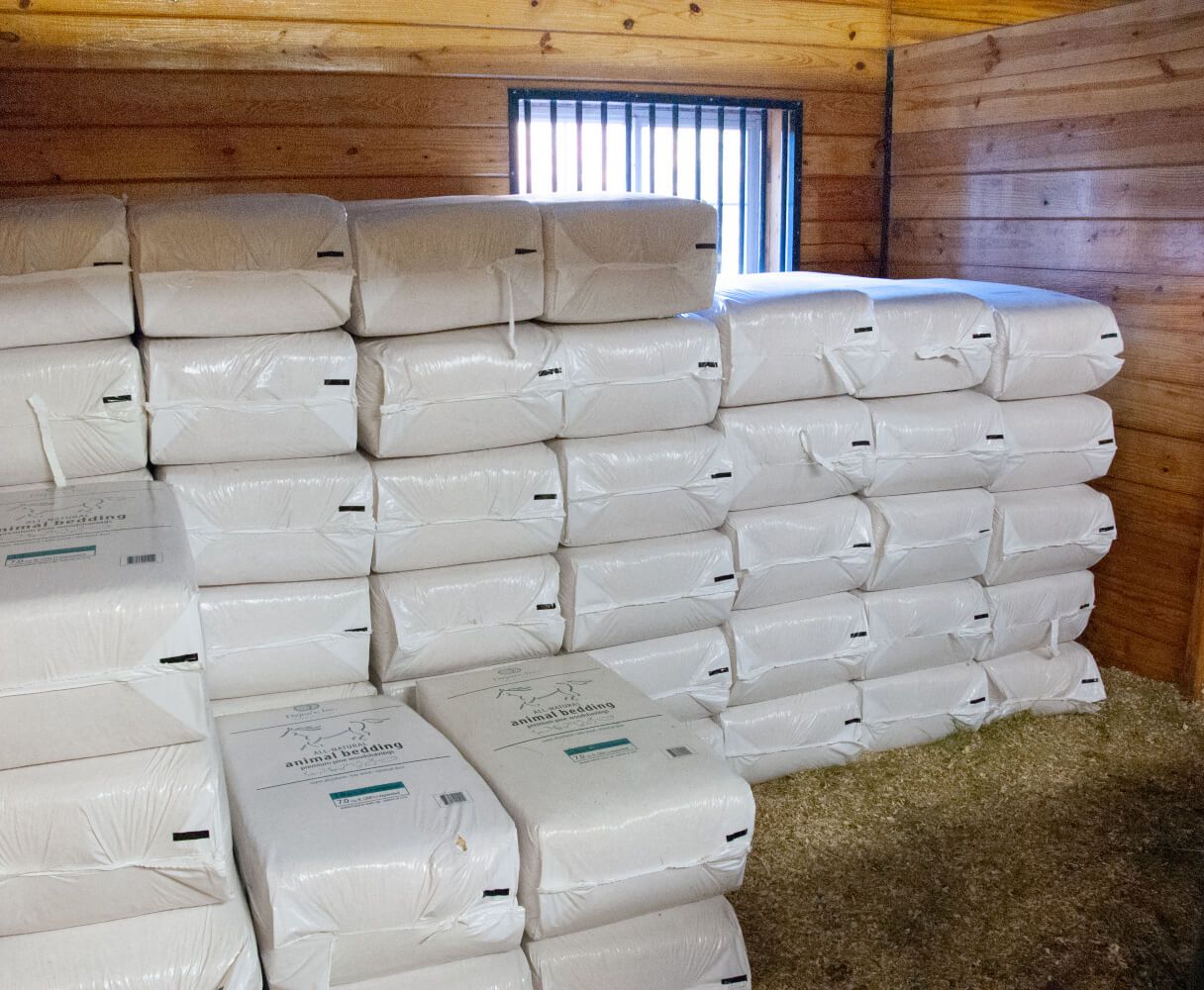
No matter how hardy your animals are, they will need some sort of structure to keep them out of the worst of the weather. Make sure that they have dry bedding and plenty of water.
Plan Ahead
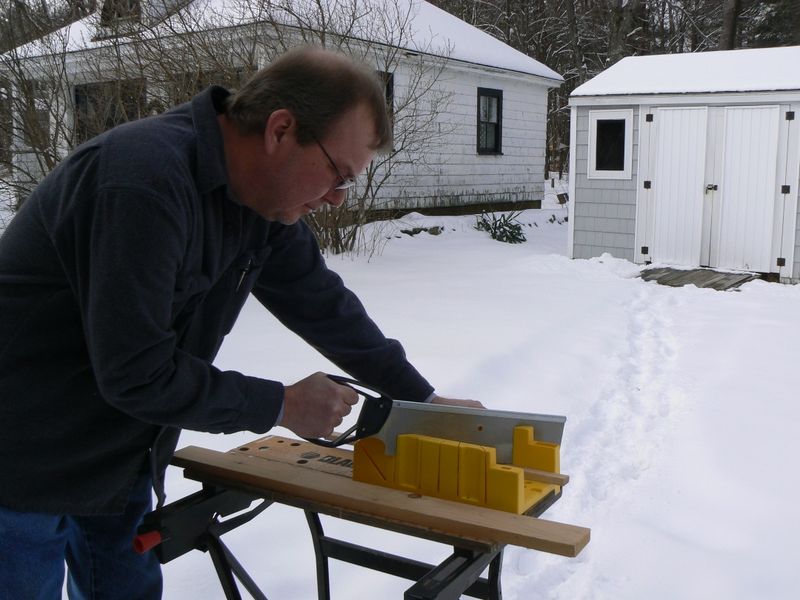
The key to winterizing without breaking the bank is to do it slowly, with time. Unless you want to spend a great deal of money, there is no real way to do everything at once, and that defeats the entire purpose. Make a plan and prioritize. You’ll be surprised at just what you can get accomplished without breaking the bank.
Tags:Seasonal Living










Acreage Life is part of the Catalyst Communications Network publication family.