



Keeping Rainwater Bins Free From Algae
Preventing Growth with Maintenance Tips, Storage Design & Consistent Cleaning

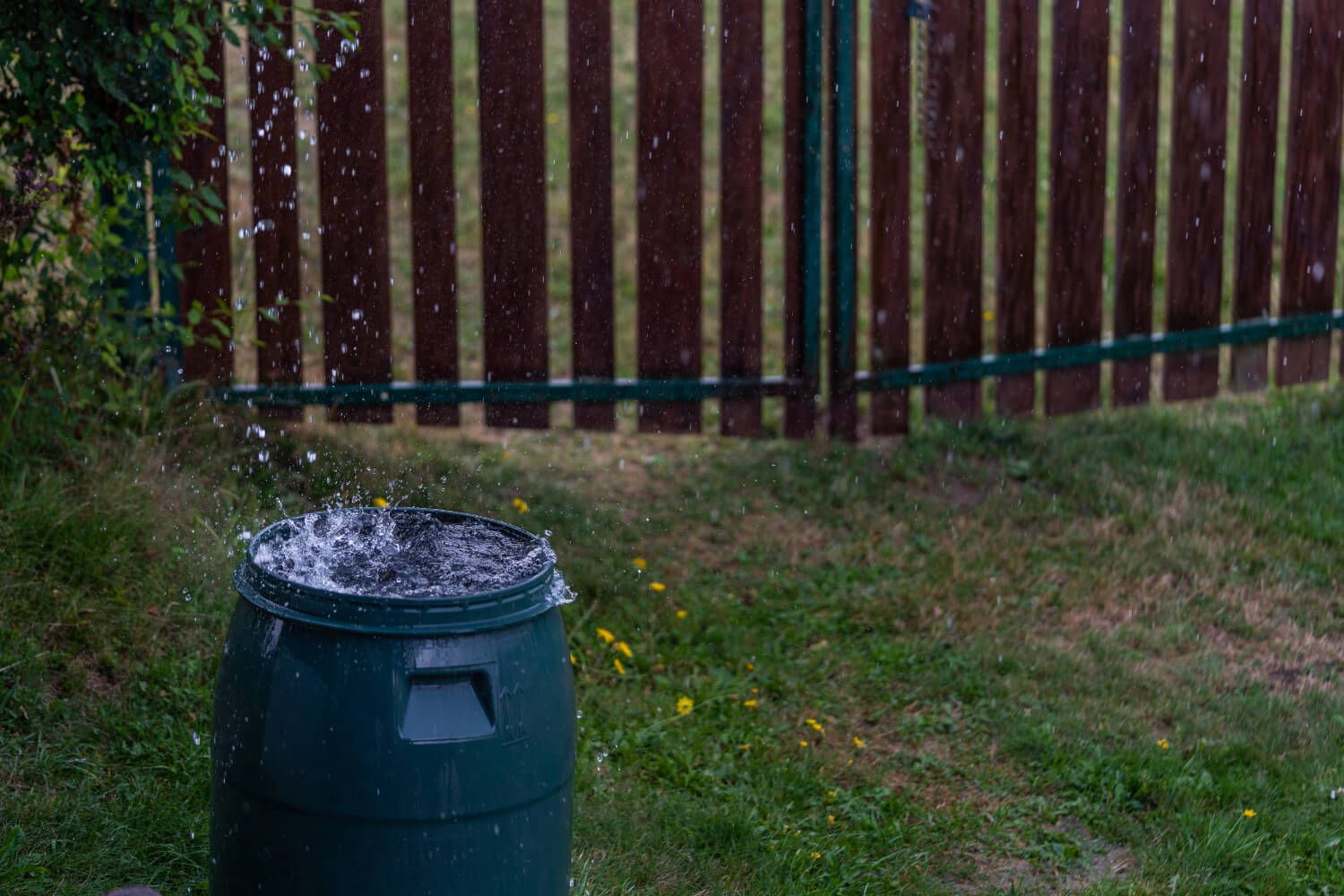
Rainwater storage is one of those homestead habits that starts simple and quickly becomes essential. A few bins can help with watering gardens, rinsing tools, washing muddy boots and stretching the well or utility bill during dry spells. But if you’ve ever lifted a lid and found green slime clinging to the inside of your barrel, you already know the downside: algae.
The good news is algae in rainwater bins is usually preventable, and once you understand why it happens, keeping it under control gets a whole lot easier.
Why Algae Shows Up in Rain Bins
Algae need a few basic things to grow: light, warmth and nutrients. Rain barrels and bins can accidentally provide all three. Light gets in through translucent plastic, loose-fitting lids or open tops. Warmth builds up fast in sunny weather or nutrients from debris wash into the system.
If water sits still and gets sun exposure, algae can start growing surprisingly fast — especially in warm months. It doesn’t always mean your system is “dirty” or poorly managed. It just means nature is doing what nature does.
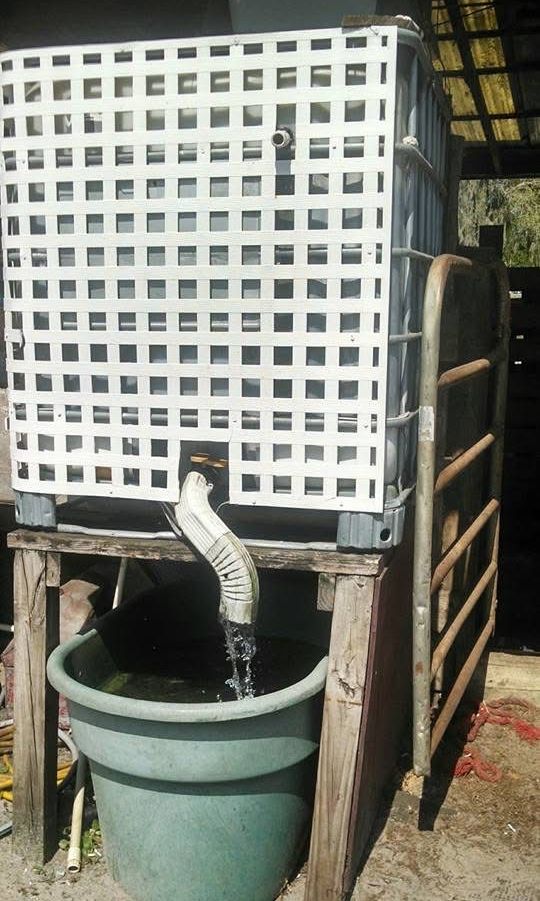
Example of a rainwater catchment system: a 250-gallon cube fed by a gutter and mounted on a platform over a trough. Courtesy of Mullin’s Croft Farm, Seffner, Florida.
Start with the right bin
The easiest algae prevention begins before the first drop of rain falls.
If you’re choosing a rain bin or barrel, go for opaque containers, such as dark blue, black, green or solid-colored food-grade plastic, tight-fitting lids, a screened inlet and drain or spigot that lets you empty and rinse it easily.
Clear or translucent bins are the biggest algae magnets because sunlight penetrates the walls. If you already have a translucent container, don’t worry — you can still make it work. Wrap it in a dark tarp, paint the exterior with a product safe for outdoor plastic use or build a simple shade screen around it.
For homesteaders who repurpose containers, and let’s face it, that’s a majority, make sure the bin previously held something safe. Food-grade containers are always the best bet, especially if the water may touch edible crops.

A painted rain barrel tucked beside a fenced livestock area, repurposed as part of a working farm water system. The barrel’s “Bring on the Rain” design highlights how practical rain catchment can also add personality to the homestead. Photo Courtesy of Marques Market in Winter Haven, Florida.
Block the Light Like it's Your Job
If I had to give one tip above all others, it would be this: keep the water dark. Algae can’t thrive without light. That makes light control your first and best line of defense.
Here’s how to do it well:
- Use a solid lid: A loose board or partially covered top invites sunlight, mosquitoes, frogs and all sorts of mess. Use a full lid that fits snugly.
- Screen all openings: Any inlet, overflow or vent opening should have a fine mesh screen. This keeps out debris and reduces the nutrients feeding algae.
- Shade the barrel: Even an opaque barrel benefits from shade. Place bins on the north side of a shed, under an overhang or behind a fence where they’re protected from full afternoon sun.
- Cover translucent spots: Some bins have clear strips, thin areas or lids that let light in. Patch or cover those spots. Algae don’t need much.
Think of your rain bin as a root cellar for water: cool, dark and closed up.
Keep Debris Out
A lot of algae problems actually begin on the roof and in the gutters.
When rainwater runs off a roof, it carries whatever is sitting there — dust, pollen, leaves, seed fluff and bird droppings. That material breaks down in the bin and becomes algae food.
To reduce that nutrient load:
- Clean gutters regularly, especially in the spring, pollen season and fall leaf drop
- Use gutter guards or strainers where practical
- Install a downspout screen to catch larger debris
- Consider a first-flush diverter if you collect a lot of water
A first-flush diverter sends the initial dirty runoff away from the bin before cleaner water enters. It’s a simple upgrade that makes a noticeable difference, especially if your roof is under trees.
This is one of those “ounce of prevention” steps that saves a lot of scrubbing later.
Keep Water Moving
Still water warms up and stagnates faster than water that’s cycled and used regularly. You don’t need a fancy system — just don’t let the same water sit for weeks in summer if you can help it.
A few practical habits:
- Use the water often for garden beds, ornamentals and general farm chores
- Rotate bins so one is used while another is filling
- Drain and refresh if water has been sitting too long in hot weather
- Avoid over-sizing your storage if your usage is low
Many homesteaders set up large storage “just in case,” but if your use rate is small, oversized bins may sit too long and become algae-prone. It’s better to have a system you actually cycle through.
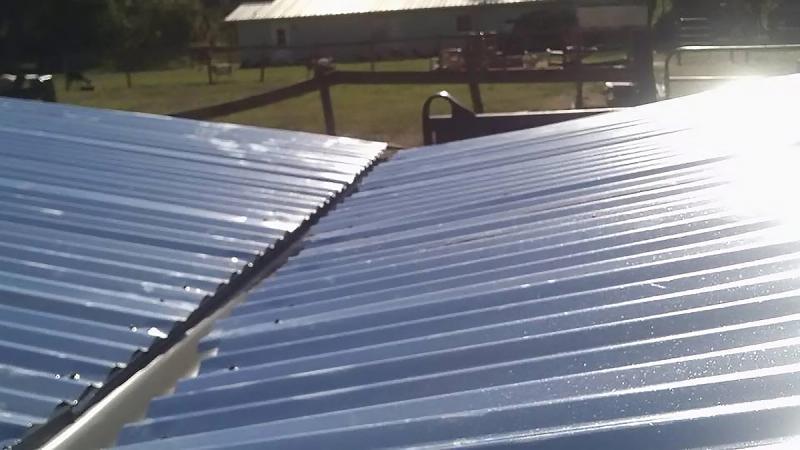
Two metal rooflines slope inward toward a center gutter, creating an efficient catchment point for collecting rainwater runoff. Photo courtesy of Mullin’s Croft Farm, Seffner, Florida.
Clean on a Schedule
It’s easy to ignore rain bins until you notice smell, slime or green water. By then, algae already have a foothold.
Instead, do a basic maintenance routine:
- Monthly quick check (warm season):
- Lift lid and inspect for green film
- Check screens for clogs
- Look for leaf buildup or sludge at the bottom
- Make sure lid still fits tight
- Check overflow and spigot for blockages
Seasonal cleaning (two to four times a year)
How often depends on your climate, tree cover and how heavily you use the water. In warm, humid areas, more frequent cleaning helps.
A simple cleaning method:
- Drain the bin as much as possible
- Remove sediment and debris from the bottom
- Scrub inside walls with a long-handled brush
- Rinse thoroughly
- Clean screens, lid and spigot area before refilling
You don’t need to make it complicated. Consistency matters more than perfection.
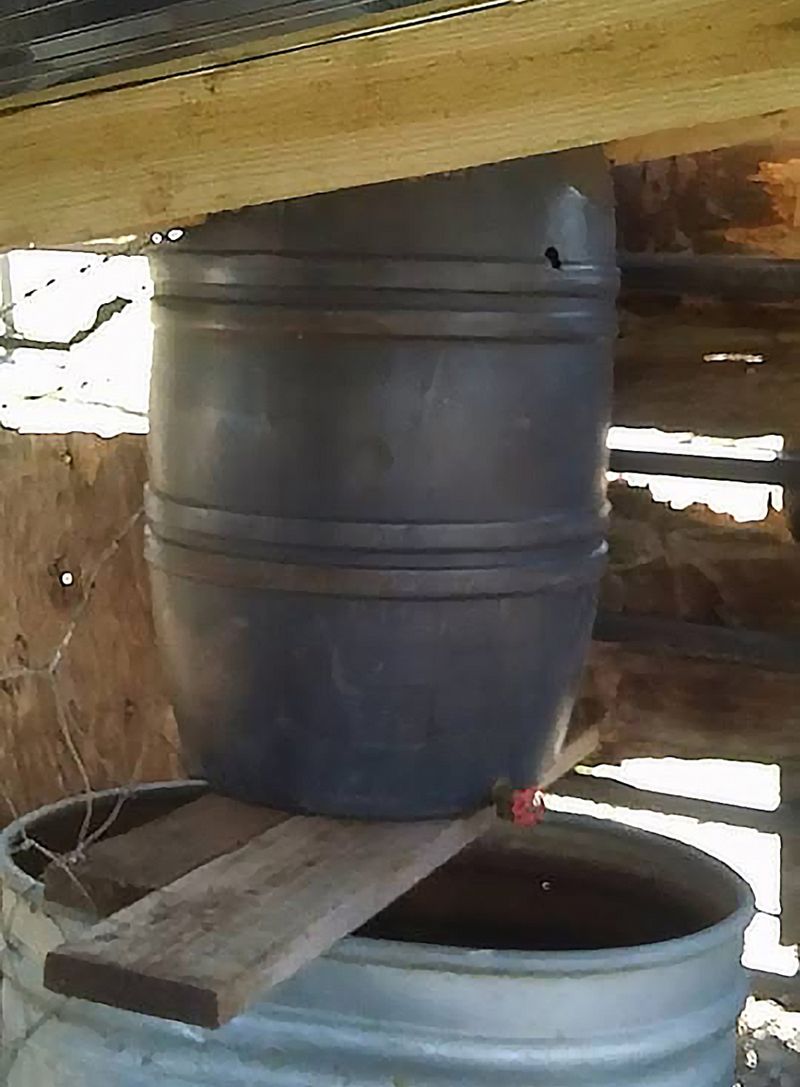
Underneath the two roof catchment area, a rain barrel is positioned to collect and direct runoff into a trough below. Photo courtesy of Mullin’s Croft Farm, Seffner, Florida.
Watch the Bottom Sludge
Even if the water looks fine from the top, the bottom of the bin can collect sediment. That sludge layer is a nutrient bank for algae and bacteria.
Two ways to reduce buildup:
- Raise the barrel slightly so sediment settles below the spigot level
- Add a drain near the bottom, or tip and rinse periodically, so you can remove settled material
A lot of folks install a spigot a little above the base, which is fine, but it also means sediment never leaves unless you manually clean it out. Plan for that from the start.
Safe Use Matters, Too
Rainwater bin water is fantastic for many homestead tasks, but it helps to match the water quality to the job.
For example, algae-free water is especially important when you’re watering seedlings, using drip irrigation, mixing foliar sprays or washing produce bins and tools.
Even if algae in a rain bin looks minor, it can clog hoses, emit odor and create extra cleanup work. Keeping water cleaner makes your whole system easier to use.
And as always, if you plan to use collected rainwater for drinking, animal water or food preparation, that’s a separate conversation with additional filtration and safety steps. For general homestead use, the goal is clean, low-debris, low-slime water that doesn’t turn your barrel into a science project.
A Simple Homestead System that Works
If you prefer practical rather than fancy, here’s a setup that works well for many small farms and acreages:
- Opaque food-grade bin
- Tight lid
- Screened inlet and overflow
- Downspout screen
- Barrel placed in partial shade
- Regular use for garden/chores
- Quick check monthly, scrub seasonally
That’s it. No complicated gadgets required.
Rainwater collection should make life easier, not add another headache to your list. A few small habits — keeping light out, debris out and water moving — will prevent most algae problems before they start.
An Real-Life Florida Homestead Experience
Shared by Mullin’s Croft, Seffner, FL
Here in Florida, with the amount of rain we get, rainwater collection is a huge asset on several levels.
Collecting free water means less electricity use and less pump draw from the aquifer. For those with livestock, rainwater systems make a big difference because you can fill troughs with clean rainwater, and by capturing runoff, you also reduce the amount of mud that builds up around the property.
It becomes even more important during hurricane season. In Florida, homesteaders can go seven or more days without power after a storm. Having 2,000 to 4,000 gallons of collected water on hand for livestock can be a game changer.
Another practical tip: feeder goldfish can help keep algae down and eat mosquito larvae. They also add nutrients to the water, which can make that collected water even more useful in the garden.
For us, we rarely use the pump except during drought conditions. Most of the time, collected rainwater handles our troughs and garden watering needs.
Shared by Pamela, The Dancing Goat Farm, Tampa, FL
At The Dancing Goat Farm in Tampa, the rainwater setup is built to do more than just store water — it moves it where it’s needed.
If you look closely at the system, there is a black barrel to the right, and behind and above the red barrel, there is another red barrel that also holds rainwater, when we get it. That upper red barrel collects from the side roof gutter and overflows into the lower red barrel. The lower system is used to water the brooder cages behind it.
There is also an overflow on the right side that routes excess water into an underground pipe that runs to the duck pen. The black barrel on the right accepts water from the front porch gutter and also has an overflow line that runs underground.
Both the black and red barrels are used for watering plants, which makes the system practical and efficient across multiple areas of the farm.Pamela also shared a simple algae-control tip: she keeps copper pipes in the barrels to help prevent algae growth if your bin already has a little green lining this year? Don’t feel bad. Every homesteader learns this one sooner or later. Give it a good scrub, tighten up your light control and call it part of the process. Around here, half of successful homesteading is learning how to stay one step ahead of nature while still working with it.
Tags:Garden & Landscape














Acreage Life is part of the Catalyst Communications Network publication family.