


Beating the Heat
Protect Your Livestock Through Late-Summer Stress

Late summer brings a special kind of challenge. The days stay hot, the humidity hangs on and the nights never cool down. For your animals, that combination can be tougher than the peak heat of midsummer. Prolonged heat stress wears on livestock over time, affecting their comfort, health and the productivity you depend on.
The good news? A few smart management choices can make a real difference.
Why Late-Summer Heat Is So Hard on Livestock
By the time late summer rolls around, animals have often been dealing with heat for weeks. That accumulated stress adds up. Instead of bouncing back overnight, livestock can stay run down, especially when the weather never gives them a break.
Warm overnight temperatures and high humidity are the real culprits. Animals rely on cooler nights to shed the heat they built up during the day. When the thermometer won't drop and the air stays damp, that recovery window disappears.
Different species show stress in different ways, but none are immune. WSDA state veterinarian, Dr. Amber Itle, told AcreageLife about the science behind it. "Livestock are most comfortable in environments where normal body temperature can be maintained with little or no effort, also known as the Thermoneutral Zone. Most livestock are most comfortable between 50 to 68 degrees, but this can vary based on species, humidity, time of year, age, hair coat thickness and wind. When that temperature range persists for prolonged periods, the animal will struggle to regulate body temperature, and heat stress may occur. When temperatures do not drop below 70 degrees or high humidity persists at night, animals are not able to recover, increasing risks of poor health outcomes," says Dr. Itle.
Late-summer heat is dangerous because animals have less chance to recover. Watch the overnight lows and humidity, not just the daytime highs.
Signs of Heat Stress to Watch For
Catching heat stress early gives you time to act before it becomes serious. Animals will change their behavior as they try to cool themselves down, and those changes are your first clue.
Keep an eye out for:
- Increased panting or rapid breathing
- Reduced appetite or shifts in water intake
- Lethargy or crowding near shade and water
- Drops in milk production, weight gain, egg production or reproductive performance
- In severe cases, drooling, open-mouth breathing or collapse
As Dr. Itle notes, heat stress can lead to "negative growth, production, reproduction, welfare and health outcomes." She also warns that hyperthermia can be fatal, so call your veterinarian for consultation if an animal is in distress.
Prioritize Clean, Cool Water
Water is your most powerful tool against heat stress, and it's often the easiest to overlook. In hot weather, animals drink far more than usual, sometimes doubling their normal intake.
Make sure every animal has constant access to fresh, cool water. Check and clean troughs, buckets and automatic waterers frequently, since warm weather encourages algae and grime. Place water in shaded areas when you can, so it stays cooler and more inviting.
Improve Shade and Airflow
Shade and ventilation work together to lower the heat load on your animals. Natural shade from trees is great, but shelters, shade cloths, tarps and portable structures all do the job when trees are scarce.
Airflow matters just as much. Good ventilation pulls heat out of barns, coops and loafing areas. Fans can help where it's safe and practical to use them. And don't pack animals in too tightly; crowding reduces air circulation and raises the temperature around each animal.
Dr. Itle recommends supplemental shade "with adequate space," along with increased ventilation and airflow from fans. She also points to evaporative cooling, such as misters or "intermittently soaking animals with water."
Combine shade with strong airflow, and give animals enough room to spread out and cool down.
Adjust Your Feeding Strategy
Heat suppresses appetite, so timing your feedings can keep intake up. Feed during the cooler parts of the day, like early morning or evening, when animals are more willing to eat.
This matters because digestion itself generates body heat. Feeding heavily at midday adds to the load just when animals are struggling most. If you're seeing intake drop sharply, work with your veterinarian or a nutritionist about adjusting the ration.
Feed quality also suffers in hot, humid conditions. Spoilage occurs more quickly, so store and manage feed carefully to keep it fresh.
Reduce Handling and Other Stressors
Every extra stressor stacks on top of the heat. Transport, regrouping, vaccinations and routine handling all demand energy your animals would rather spend staying cool.
When you can, limit these activities during peak heat. Schedule necessary work for early morning, when temperatures are lowest. The less you ask of your animals during a heat event, the more energy they can put toward thermoregulation.
Species-Specific Considerations
Every species handles heat a little differently, and your management should reflect that.
- Cattle: Milk production, grazing behavior and breeding performance often decline in the heat.
- Poultry: Watch for drops in egg production, thinner shell quality and reduced feed intake.
- Swine: Especially vulnerable, since pigs can't sweat effectively. Wallows give outdoor pigs a way to cool down.
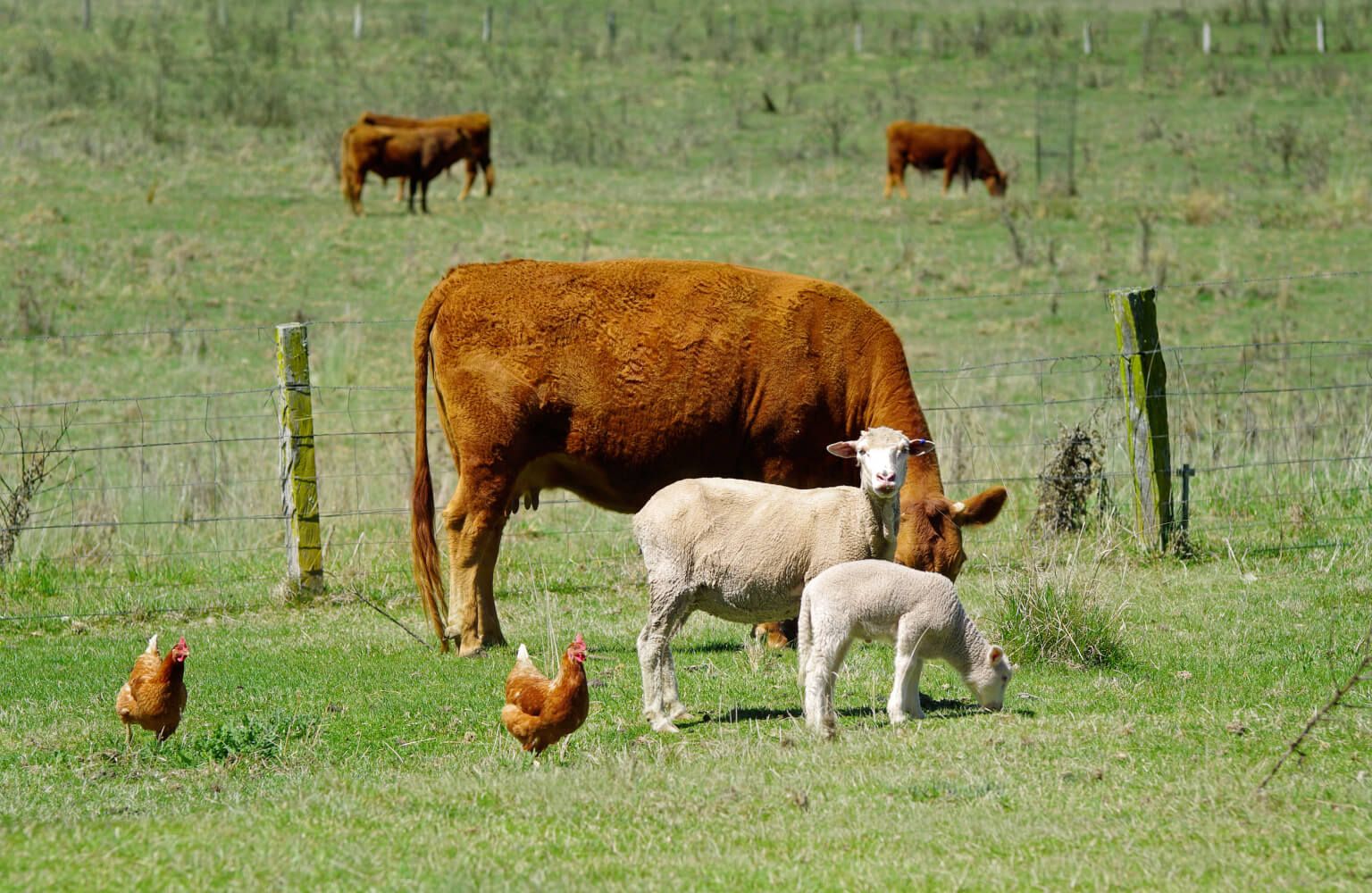
- Small ruminants: Hardy, but they still need shade, airflow and close monitoring. Shearing sheep before the worst heat helps.
- Horses: Horses are most vulnerable after long stretches of humidity. Pay attention to over- or undersweating.
Michael Beiler, CEO of FarmCo, told AcreageLife to keep water clean and cool for horses. “I think the biggest mistake here is making sure water stays out of the sun, because it really can get quite warm. In the barn, making sure your space supports airflow is big. Remembering to ventilate and create airflow at night in the summer is important, too! Nighttime is recovery time.”
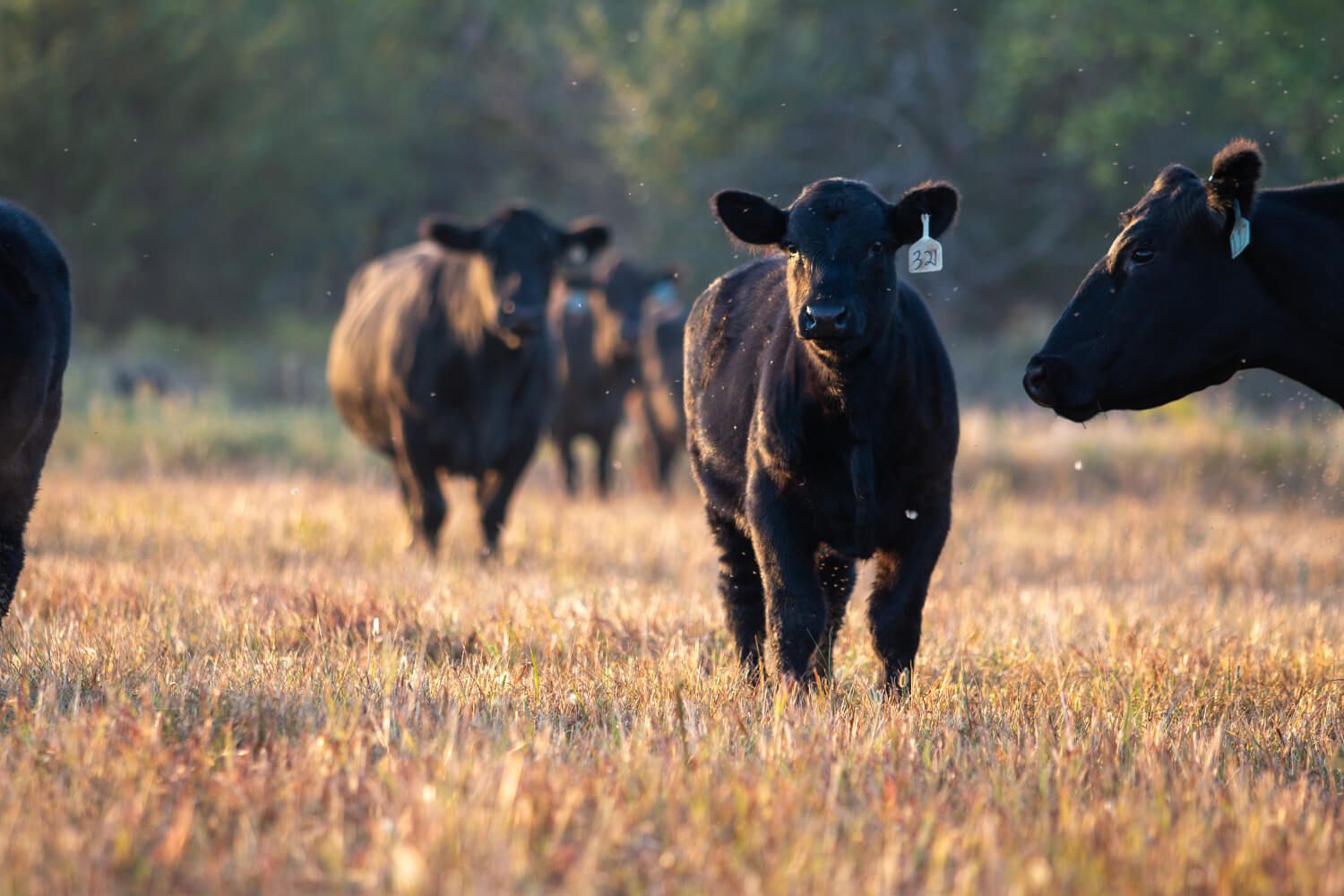
Another common mistake is remembering that animals compete for resources. "It is critical to be sure you are providing adequate heat-mitigating resources for the entire group of animals to access at once," says Dr. Itle. “Overcrowding under a single shade cloth can make things worse, not better, especially when you're mixing different ages, species or sexes. When choosing breeds, she suggests favoring genetics suited to your climate, noting that "short and light colored coats are more heat-tolerant than dark, thick-coated animals."
A Closer Look at Dairy Cattle
According to Washington State University Veterinary Medicine Extension's article, "The Effects of Heat Stress on Dairy Cattle Development, Health, and Performance," dairy cattle are especially vulnerable to prolonged heat stress. Dairy cows deserve special attention, because they're among the most heat-sensitive animals on the farm. Researchers use the temperature-humidity index (THI) to gauge heat stress, and cows can start to struggle at a THI of just 68 to 70. Across many U.S. regions, summer conditions exceed that threshold for most of the season.
The effects show up across the board. Heat stress lowers milk production and dry-matter intake and reduces pregnancy rates compared to cooler months. Cows that calve in hot weather face higher odds of retained fetal membranes, ketosis, displaced abomasum, mastitis and metritis. Heat waves are even linked to higher cattle mortality. Heat-stressed cows stand for longer periods, which can contribute to lameness, and show elevated stress hormone levels.
The encouraging part is that heat-abatement strategies work. Shade, fans, water soakers and good ventilation all help cows maintain their performance during hot weather. Cooling systems for heifers and calves improve thermoregulation, feed intake and health. Nutritional tools and heat-tolerant genetics offer additional options worth discussing with your advisors.
Support Ongoing Productivity
Comfort and productivity go hand in hand. When an animal is fighting to stay cool, it isn't growing, milking or breeding at its best. That's why production changes are such useful early-warning signs.
Track your numbers, milk yield, feed intake, weight gain, egg counts and let any dip prompt a closer look. Dr. Itle stresses knowing what "normal" looks like for your animals, including respiratory rates and body temperatures so that you can catch problems early.
The smartest approach is prevention, not reaction. Don't wait until animals are visibly struggling. Build your heat plan before the heat arrives.
Late-summer heat doesn't have to derail your operation. The animals that come through it best are those of producers who plan ahead, watch closely and act early.
Focus on the fundamentals: cool, clean water at all times; ample shade with room to spread out; strong airflow and fans where appropriate; feeding during cooler hours; and minimal handling during the worst of the heat. For dairy cattle, especially, layered cooling with shade, fans and soakers can protect both health and production.
Keep an eye on the forecast, know what normal looks like for your animals and lean on your veterinarian for prevention plans and emergencies. As Dr. Itle reminds us, the goal is to stay prepared. A little proactive care now protects animal welfare and farm performance all season long.
Tags:Farm & Flock











Acreage Life is part of the Catalyst Communications Network publication family.