


The Mini Dairy Revolution
Small Cows Offer Big Potential For Modern Homesteads

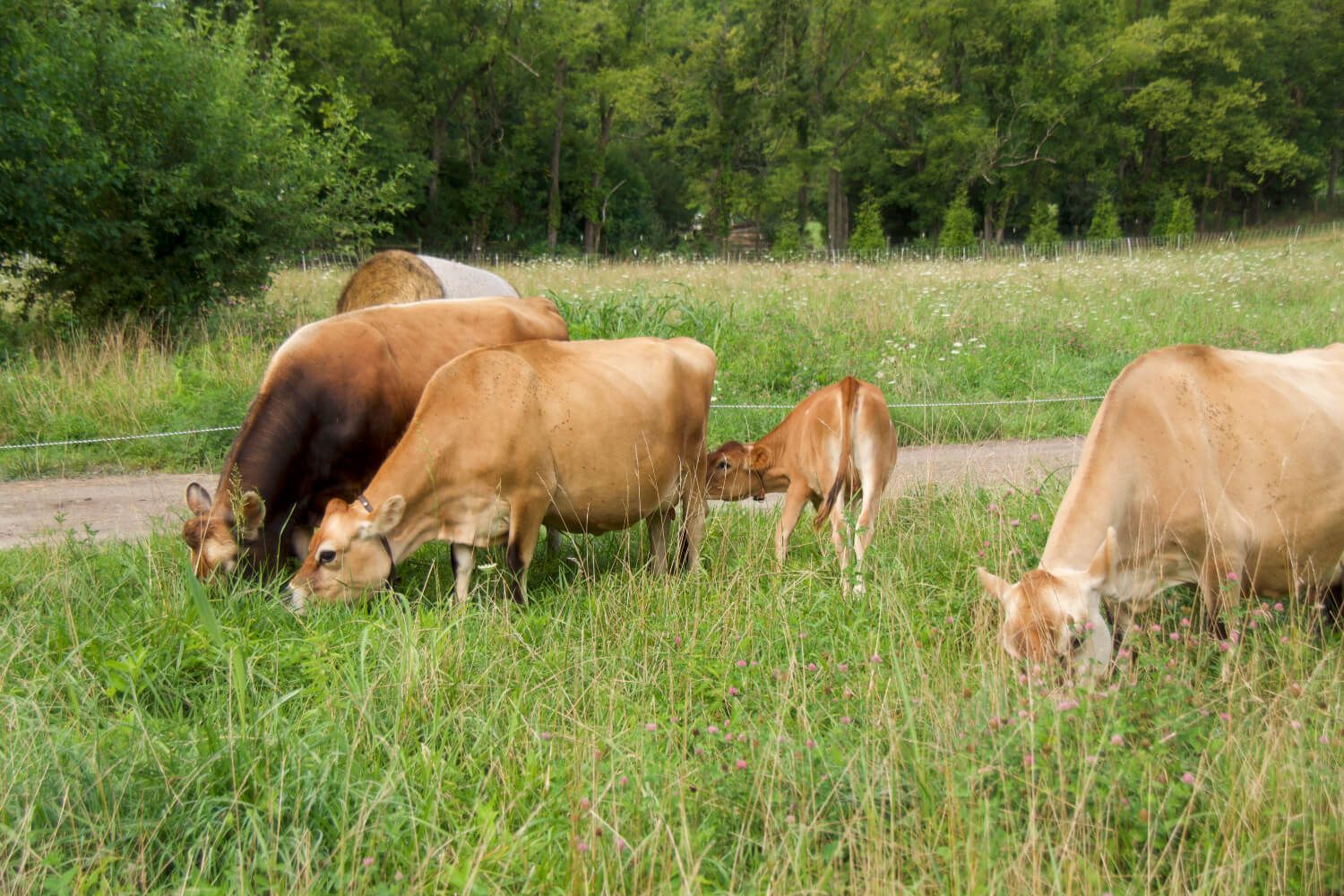
I’m often told that owning a milk cow is a dream, but it feels out of reach. Traditional dairy breeds require more land, more feed and have more production than the average family can manage. In the past decade, something interesting has been happening on small farms across North America: miniature dairy cows are catching on.
Why Mini Dairy Breeds Are Growing in Popularity
When we bought our first Jerseys, it was for food security and to reduce grocery bills. We had two teens with big appetites, and I was already cooking from scratch. Making our own dairy products felt like the natural next step.
I started with two small standard Jerseys. They were wonderful cows, but I was overwhelmed by their production, and milking twice a day by hand was demanding. Still, herd animals shouldn’t be alone, so I pushed on.
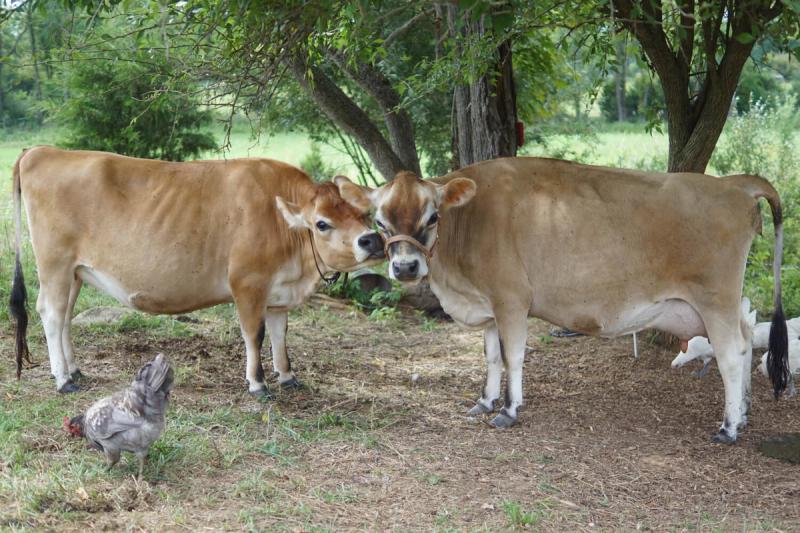
When I learned about Mini Jerseys, I found a bred heifer for sale and my husband agreed to bring her home. My teenage daughter and I enjoyed working with her. By the second month of lactation, her calf could easily take over the morning milkings. After weaning, I transitioned to once-a-day (OAD) milking, which gave us more flexibility for family life. She fit into the rhythm of gardening, kids’ activities and even my job in town.
Mini Jerseys offer many of the same qualities homesteaders love about standard Jerseys: rich milk, gentle temperaments and adaptability to various climates, but are less intimidating in size and production. A well-managed Mini Jersey typically produces enough milk for a family, plus extra for all the dairy products and neighborhood sales.
How Much Land Do You Really Need?
One of the first questions I ask prospective owners is about pasture space. While every property differs, a realistic minimum is about three fenced acres. Keep in mind, she’ll have a calf each year. If you keep a heifer or raise a steer for beef, smaller pastures can quickly become overgrazed.
The less acreage you have, the more intentional you’ll need to be about pasture management. Space is needed not just for grazing, but also for shelters, storing purchased feed and composting manure. Rotational grazing helps tremendously, but one area should serve as a holding pen while others recover.
When neighbors are close, fences must be tall and strong to keep your little cows safe. If she goes wandering or calls a larger bull in, you risk injury and calves that are less valuable or too large for delivery. You never want your own bull out visiting. He may be small, but he’s strong as an ox.
All Photos Courtesy of Better with Thyme Farm
Consider the Commitment
As enticing as mini dairy cows are, it’s a serious commitment. I researched for years and still felt unprepared when one of our cows went overdue while my husband was out of state for work. Starting with a trained family cow can ease the learning curve tremendously. The farms that succeed with dairy cows are those that invest in learning before they invest in livestock.
Before bringing one home, consider:
- Daily chores: Feeding and milking happen every day, often twice a day. Vacations require planning around dry periods and calving due dates. OAD milking after peak production can ease things.
- Health care: Hoof trimming, mineral balance, parasite control and veterinary access are essential. Figure out how to transport a sick animal or hay before the need arises.
- Breeding decisions: Access to a bull or artificial insemination (AI) technician, planning calving timing and choosing traits that match your goals for a future milk cow or beef are real hurdles for beginners.
- Local regulations: Know your local zoning and raw milk sale laws; they vary widely by state.
Education at the Heart of the Movement
Book learning only carries you so far. The need for education and mentoring is important for success. The Purebred Mini Jersey Society (PMJS) has helped many families navigate the responsibilities of stewardship, offering webinars about disease testing and genetic conditions such as chondrodysplasia, commonly known as dwarfism.
PMJS is currently the only nonprofit Mini Jersey cattle registry in the U.S. It’s also a member of the National Pedigreed Livestock Council, a respected organization dedicated to preserving purebred livestock genetics. That credibility matters when families are making long-term breeding and financial decisions.
The Purebred Mini Jersey Society’s YouTube channel also offers webinars covering calf care, milking, daily care and guest experts.
In 2026, PMJS expanded its educational mission by launching the Purebred Mini Jersey Homesteaders Foundation, Inc., a 501(c)(3) nonprofit offering practical microgrants for AI technician training and other continuing education. The goal is simple: equip Mini Jersey owners with skills that allow them to serve fellow homesteaders while creating income that helps keep their own homesteads sustainable.
Community, Connection and Celebration
As the Mini Jersey community grows, so does the desire to connect to other owners. In June, the first PMJS Virtual Cattle Show will provide the opportunity to participate regardless of geography. Events such as this lower travel and financial barriers while showcasing quality animals.
The show culminates in the first International Purebred Mini Jersey Week, scheduled for July 12 to 18, 2026. The week will celebrate the shared love for the breed, featuring photos, breeder interviews and education.
Little Cows With Big Potential
The rise of Mini Jerseys isn’t a trend built on novelty. It’s rooted in practicality. Smaller cows eat less and produce a manageable amount of milk. They contribute in meaningful ways on the homestead, and with heifers in high demand, they can help offset expenses.
It’s a commitment that offers bountiful returns for the effort. It connects you to the past and your community, while you’re planning the future with each cow’s positive pregnancy result. Many homesteads find that it’s exactly the right fit.
Tags:Farm & Flock










Acreage Life is part of the Catalyst Communications Network publication family.