



Six Steps for Staying Cool
Beating the Heat Without Major Construction

The height of summer can bring many wonderful things, from backyard barbeques and spending time with family to outdoor adventures and relaxing days in the sun. However, this time of year can also bring high temperatures that are not only uncomfortable but can pose serious risks to yourself and your animals.
Heat stress isn’t just a human concern; it can affect poultry and livestock as well. Heat stress occurs when the body temperature exceeds the regulating capacity, which can quickly escalate to life-threatening heat stroke.
The good news is that many cooling options are available, affordable and can often be set up in just one weekend.
Step One: Evaluation
You are likely already very familiar with your land, but it is also important to walk the property when temperatures are highest, usually in the afternoon. This can help identify common exposed areas. You should be looking for places that are lacking natural shade or good airflow, where heat may pose risks.
Before jumping into any construction or running to the hardware store, try to implement existing shade on your property first, such as mature trees, fence lines and existing structures. Rotating animals into naturally shaded areas is a great way to help them stay cool, but trees do take a long time to grow. Some properties with sparse trees or drier locations may not have enough natural shade to effectively protect livestock.
Step Two: DIY Shade
Establishing shaded areas is a great place to start, and can be relatively simple. According to the University of New Hampshire, shade can lower air temperature by 15 to 20 degrees, and shaded surfaces by 20 to 45 degrees.
With just a canvas and some materials, creating cooler spaces is quick and easy.
Tarp-and-Post Shelter
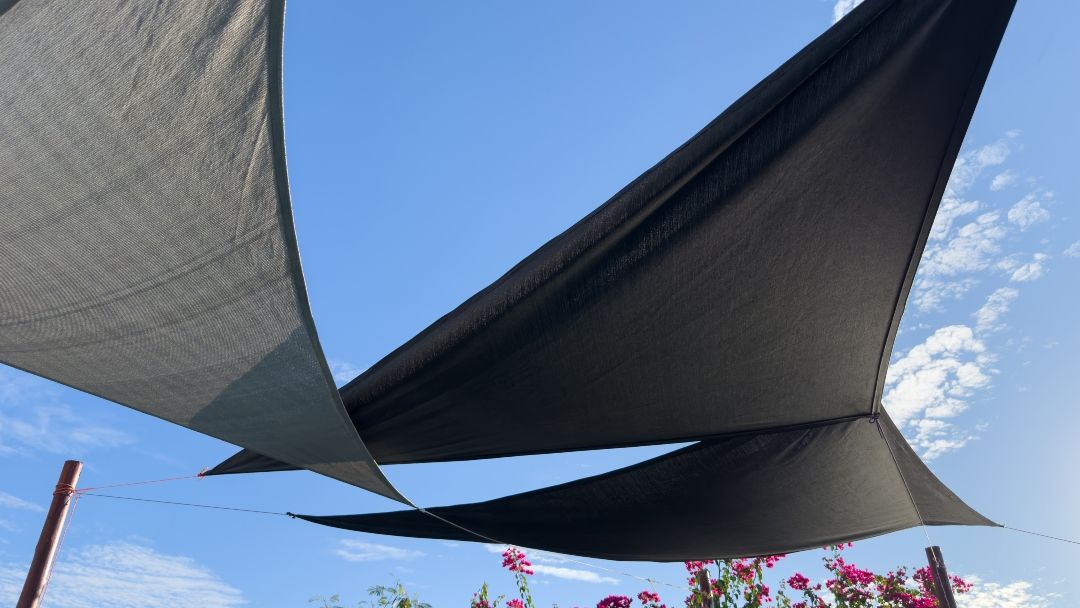
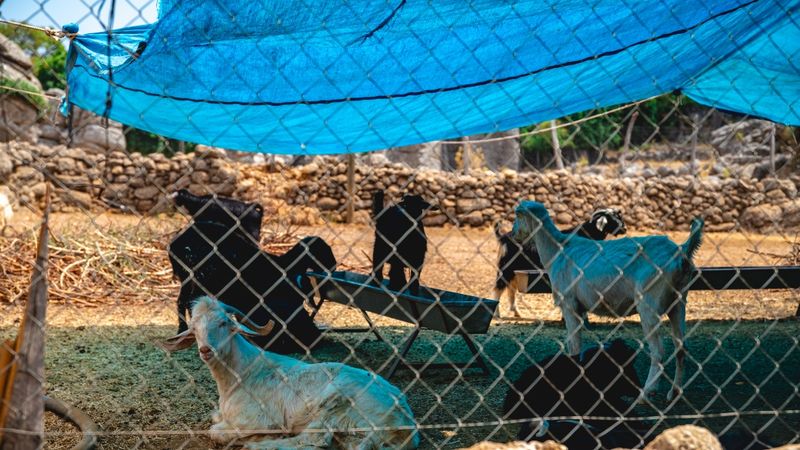
You may already have the materials and location on hand to build a simple tarp-and-post shelter. You will want to use a corner of a paddock or an existing fence line and install fence posts to form a triangle, square or rectangle. From there, you can connect the points with two-by-fours and roundwood for attaching the tarp, or stretch the tarp between three points tightly enough to prevent wind damage.
These shade structures come in many shapes and sizes, from a-frames and lean-tos to tarp sails and canopies with poles. Tarp Supply Inc notes that it is important to keep the roofs pitched in some way to provide ample headroom and runoff.
You will also want to secure the tarp sufficiently with ropes or bungee cords. Attach them to poles or stakes if anchor points, such as trees, are not available. One gust of wind can easily take down these setups if not installed properly.
Fresh Eggs Daily also recommends using a tarp or shade cloth across the top and side of a chicken run to create a cooler space if bushes or shrubs are not in the area.
Lightweight Portable Structure
For smaller livestock and poultry, a portable shade structure can be a good implementation. These create temporary shade areas and provide single-person mobility.
Some users on the Permies forums suggest creating a pitched structure from three-way fittings and 2-inch rigid conduit piping with a treated canvas or plastic tarp on top, which can be lifted by one person from the center of the structure and moved.
You can also adapt a square-foot-garden trellis frame and cover it with landscape fabric or shade cloth. Just be sure to secure all areas of the structure to ensure it lasts while prioritizing breathable materials that allow for airflow.
Mobile Livestock Shelter
If you’re looking to get into rotational grazing systems, a mobile shelter is a great option. These are best for sheep, goats and pastured poultry.
These can be constructed from cattle panels and metal conduits, which provide durability. Carlisle Bee suggests bracing the corners with a plank of wood to form diagonal ends, and Snowdrop Farm recommends placing a 3-foot brace at an angle to the cattle walls for stability. Securely attach a shade cloth or tarp to the top.
Wheels can be added on the ends to make it drag-friendly during pasture rotation.
Step Three: Select Materials
Not all shade materials are created equal; darker materials can absorb sunlight and increase temperature, rather than reducing it, and thick materials can trap air, creating stagnant spaces. It’s a good rule of thumb to opt for light-colored or reflective materials when creating shade, as they reflect sunlight and generally create cooler areas.
Poly Tarps
Polyethylene tarps are affordable and easy to find, but they often have a shorter lifespan than other available materials. They can be useful for temporary setups and are lightweight and waterproof, according to Tarp Supply Inc.
Vinyl Tarps
Vinyl tarps are a great, durable material, ideal for harsh weather conditions. However, these are heavier and can be harder to work with.
Canvas Tarps
For semi-permanent shade, canvas tarps are a good, long-lasting option. These are also breathable and can be cooler underneath compared to other materials.
Shade Cloth or Landscape Fabric
These materials allow airflow and are less likely to turn into a sail in the wind. These are especially useful for chicken runs.
Step Four: Improve Airflow
Proper ventilation in structures such as barns and coops can help expel trapped hot air and reduce humidity.
When peak temperatures threaten you and your livestock, you can encourage cross breezes wherever possible by opening windows and vents.
If needed, fans can be added with proper safety precautions. DIY Pole Barns recommends mounting fans high up on walls or ceilings, especially when livestock is smaller. If they are on the ground, they should be blocked from wandering livestock but not obstructed to prevent effectiveness. Cords should be protected and secured. Electrical systems should always follow building electrical codes, which can vary by area.
To help prevent heat buildup, you can also consider using reflective or light-colored roofing as well as open-sided shelters when it is practical.
Step Five: Water-Based Cooling
Be sure to always have access to cool drinking water for your animals; they rely on it to help themselves stay hydrated and beat the heat. Water should be placed in shaded areas and refilled frequently during extreme temperatures. It’s also important to offer multiple water stations.
Water can be used for cooling beyond drinking. Larger livestock, such as horses and alpacas, can be hosed down carefully. Avoid startling them and do not wet the top of the animal. Azure Farm notes that wet alpaca fleece will insulate the animal, rather than help them cool off.
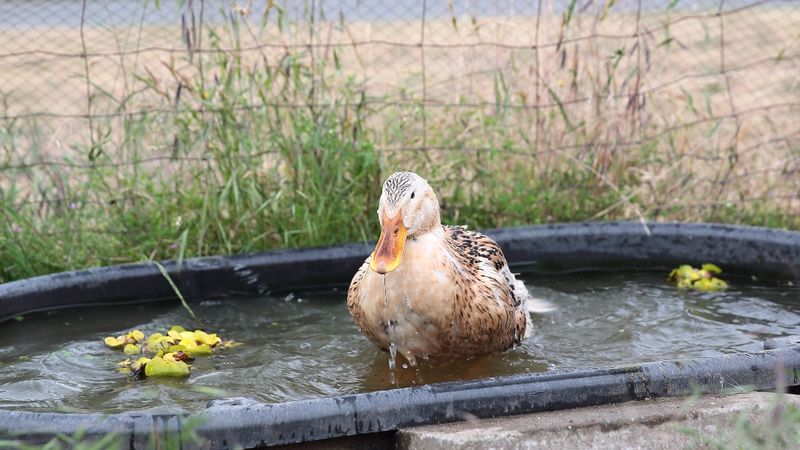
Poultry and waterfowl can enjoy a shallow tub from time to time to cool their feet. Ducks are big fans of kiddie pools, but chickens should only wet their feet and heads. Wet feathers won’t fluff up, therefore won’t allow airflow.
Some animals, such as goats and donkeys, may not enjoy getting wet, and therefore, won’t use pools.
In some cases, with proper ventilation and good airflow, you can also employ misters. However, it is important to note that they can create excess moisture, which can lead to respiratory concerns and even attract flies and mosquitoes if standing water is created. Misters can lower the air temperature when used correctly, but exercise caution if you decide to go this route.
Step Six: Adjust Care Routines
Just as we adjust our care routines for winter weather, we should adjust them for summer. To reduce heat generated during digestion, its recommended to feed animals in the early morning or the evening, when temperatures are lowest for the day.
There are also a few tricks to help animals cool themselves naturally.
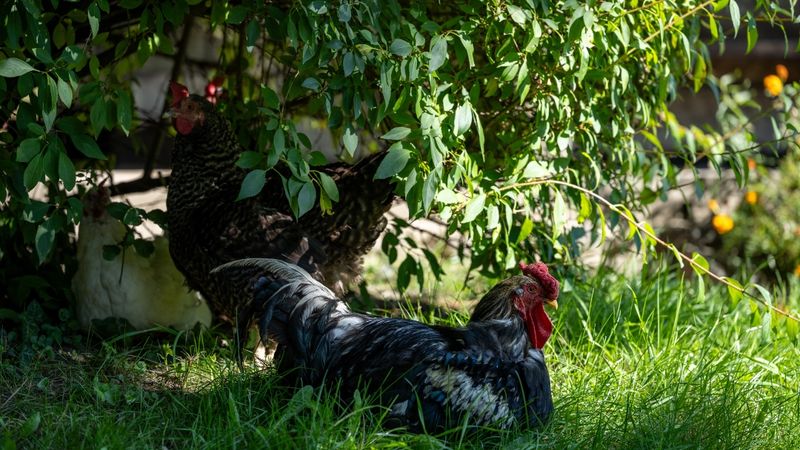
Provide your chickens with frozen fruit and vegetables, add dust bathing areas, increase shade and ventilation and avoid scratch grains during high heat. Fresh Eggs Daily also recommends fresh herbs, such as peppermint, spearmint, lemon balm, sage, tarragon, basil, cilantro and dill for their cooling properties.
For thick-coated animals, you should groom them regularly and consider clipping or shearing them if it's appropriate.
Building Solutions One Step at a Time
By starting with simple shade solutions and adding airflow, fresh water and other practical cooling methods, you can help livestock stay more comfortable during hot weather. Portable and DIY options can also keep costs manageable while offering flexibility as conditions, pastures or animal needs change.
These cooling strategies aren’t just for animals. Shade sails, tarps and portable canopies can make porches, seating areas and outdoor workspaces more comfortable, while improved airflow can help cool barns and coops during daily chores. In many cases, thoughtfully placed shade can benefit both livestock and the people caring for them.
Small changes can add up. Whether it’s installing a shade cloth on a chicken run, improving ventilation in a barn or creating a movable shelter in a paddock, building a network of cooling solutions can make a meaningful difference when temperatures rise.
Signs Your Animals Are Overheating
Heat stress can look different depending on the species, but recognizing early warning signs can help you respond before conditions become more serious. Watch for changes in behavior, appetite and activity levels, especially during periods of extreme heat.
Common signs of overheating include:
- Open-mouth panting or heavy breathing
- Reduced feed intake or increased water consumption, especially in poultry
- Lethargy, sluggishness or unusual changes in energy levels
- Chickens holding their wings away from their bodies to release heat
- Excessive drooling or salivation
- Seeking shade, standing still or reluctance to move
If animals show persistent signs of heat stress, provide shade, cool water and improved airflow immediately, and monitor them closely as temperatures rise.
Tags:Homestead How-To












Acreage Life is part of the Catalyst Communications Network publication family.