



Understanding Livestock Guardian Dogs
Their Essential Role on Modern Homesteads

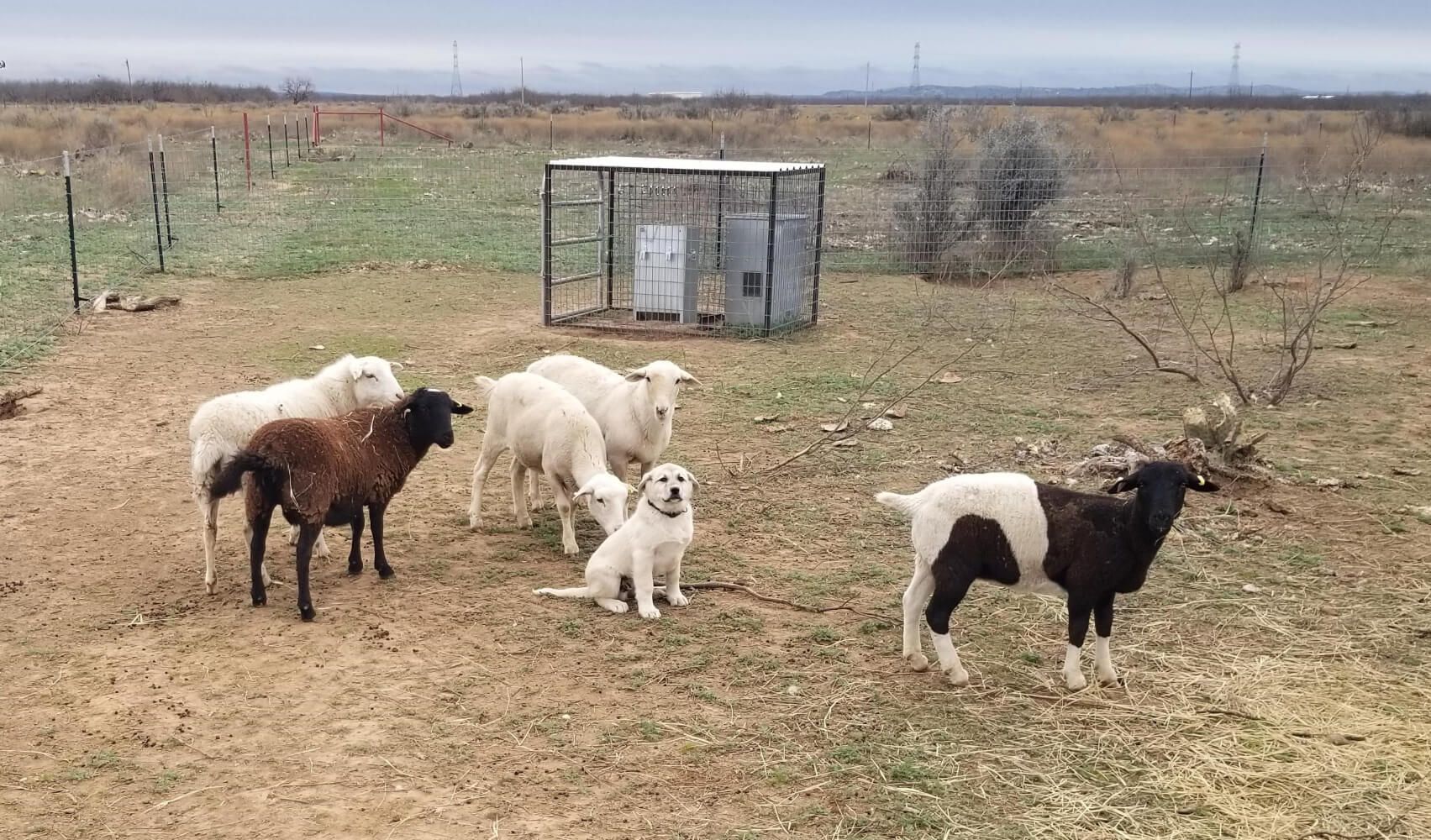
Across the U.S., livestock guardian dogs (LGDs), large, specially bred working dogs, are recognized as essential tools for livestock producers and homesteaders. Serving as full-time protectors for livestock, including sheep, goats, poultry and cattle, as well as for small hobby farms, LGDs reduce livestock losses and support nonlethal predator management.
Research initiatives have helped producers understand how carefully selected, bonded and managed LGDs can enhance livestock survival and ranch profitability.
Modern homesteads face mounting pressure from predators, including coyotes, feral dogs, bobcats, mountain lions and bears, as well as aerial threats. As suburban development encroaches on farmland, more small-scale owners view LGDs as essential to sustainable livestock production, rather than solely as traditional ranch tools.
What Are Livestock Guardian Dogs?
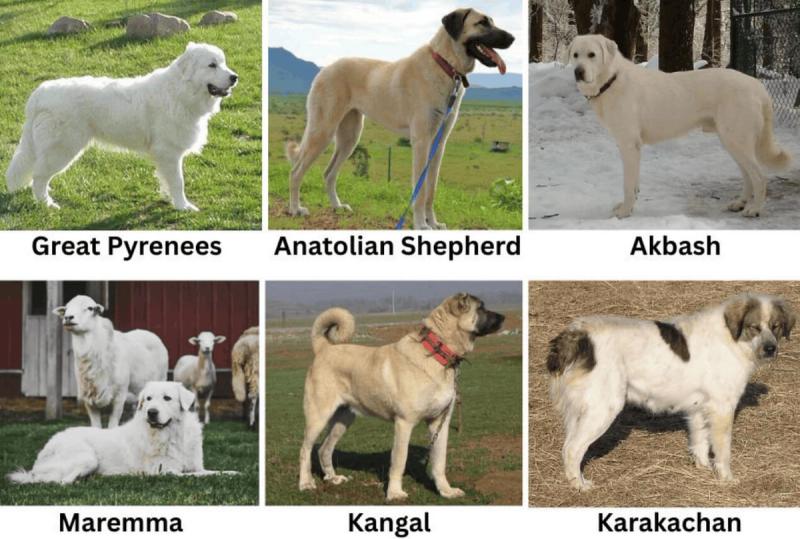
Livestock guardian dogs are large working dogs bred to live with and protect livestock. Unlike herding dogs, which are trained to move livestock under human direction, LGDs work independently and remain with the animals they guard. These dogs have been used for thousands of years throughout Europe, Asia and the Middle East. Common breeds in the U.S. include the Great Pyrenees, Anatolian Shepherd, Akbash Dog, Maremma, Kangal and Karakachan.
There are more than 35 LGD breeds worldwide, each developed for specific climates, terrains and predator threats. Unlike traditional pet dogs bred primarily for companionship, LGDs have behavioral traits selected specifically for livestock protection. The scientific literature describes these dogs as highly attentive, territorial and strongly bonded to livestock rather than to humans.
How LGDs Protect Livestock
Livestock guardian dogs utilize several inherent behaviors to deter predators:
- Territorial barking
- Scent marking
- Patrolling pasture boundaries
- Remaining near livestock
- Physically confronting predators when necessary
Most predator encounters are prevented before attacks occur because predators tend to avoid livestock protected by guardian dogs. Research from Europe and North America shows that LGDs reduce predation risk and are integral to integrated predator management strategies, thereby reducing reliance on lethal control methods. Studies indicate that LGDs frequently disrupt predator attacks before losses occur.
Significance of Early Bonding
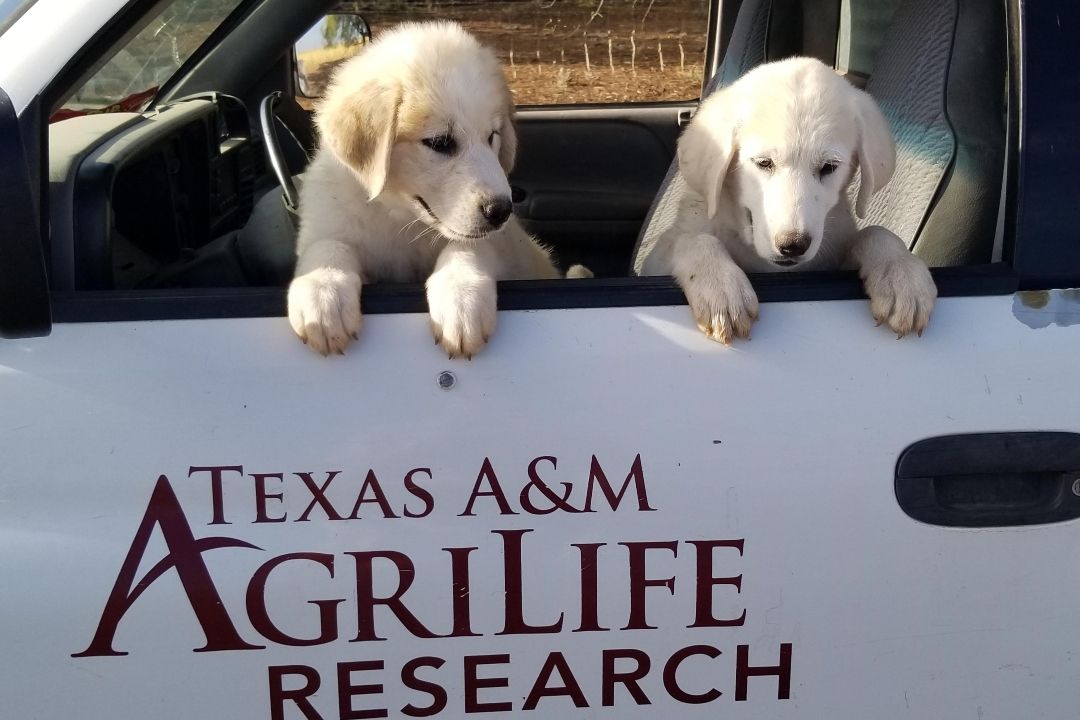
Bonding with livestock is essential for LGDs. Puppies must form attachments to livestock early in life to become effective guardians. The optimal bonding period is between five and 14 weeks of age. Experts recommend introducing puppies to livestock under supervision during this period, which helps them view livestock as their social group. Prioritizing bonding with humans first produces dogs that rarely become effective LGDs as adults.
Improperly bonded dogs may fail as guardians, roam or develop nuisance behaviors. Studies show that successful LGDs exhibit low prey drive toward livestock and strong defensive instincts toward predators. Bonding typically occurs with sheep, goats, poultry and cattle. However, LGDs have also been used to protect exotic species.
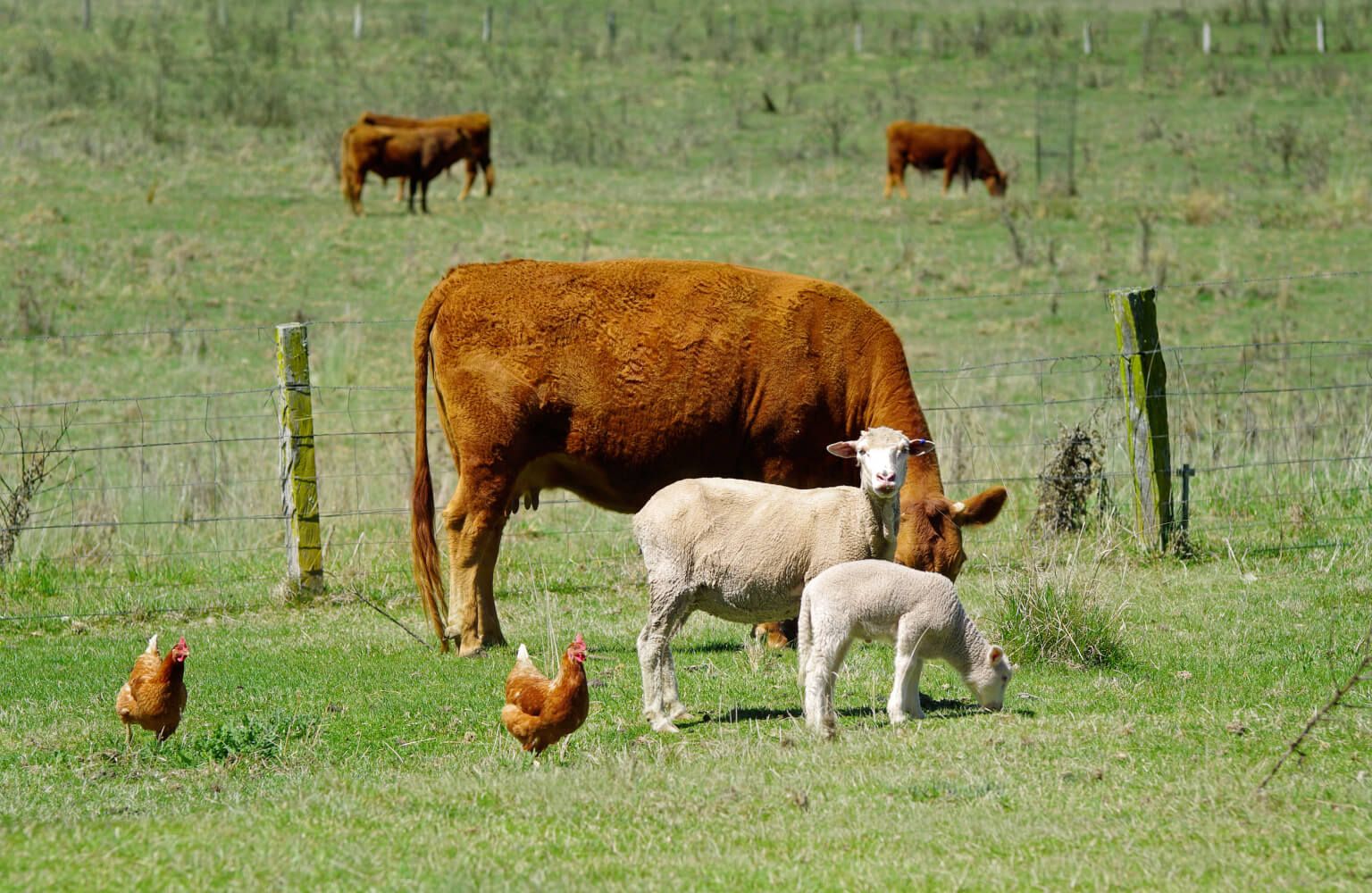
Many homesteads now employ LGDs in mixed-species operations, where dogs protect multiple livestock species at once. In these contexts, proper bonding is especially critical. Puppies should be bonded to all livestock species they will be required to guard as adults.
Role of LGDs on Modern Homesteads
While large ranches have used LGDs for decades, homesteaders and small-acreage producers are increasingly adopting them as predator pressure rises. However, small-acreage use can be challenging, especially with adolescent LGDs. Modern uses of LGDs include protecting poultry flocks, milking goat herds, hair sheep operations, pastured pigs and other free-range livestock.
For small producers, a single predator event can cause significant losses. LGDs provide continuous protection without constant human supervision. Unlike electronic deterrents or fencing, guardian dogs adapt to evolving threats and detect predators before humans are aware of their presence. Research suggests that LGDs create an environment that deters predators through fear.
Selecting the Right LGD
Proper selection of an LGD begins with researching the right breed for a homestead. LGDs have different guarding styles and levels of aggressiveness, which are important to consider before purchasing a puppy. It is also critical to purchase a puppy from a reputable breeder who provides mentorship and training assistance. Selecting an appropriate guardian dog depends on several factors:
- Livestock species to guard
- Predator types
- Acreage/pasture sizes
- Terrain
- Human activity levels
- Fencing type and quality
- Climate
- Gregariousness of livestock
Research generally recommends starting with one to two dogs for every approximately 100 head of livestock. However, requirements vary considerably by operation, depending on the factors listed. Smaller homesteads may operate successfully with a single mature guardian dog, while larger or high-predator areas often require multiple dogs working together. Proper fencing can reduce the number of LGDs required to protect a homestead effectively and may be a better long-term investment overall.
Temperament is equally important for homesteads. While less socialized dogs may be effective on large ranches, well-socialized, friendly dogs may be a better fit for homesteads that offer agritourism, on-site farm sales and farm-to-table events. Effective LGDs should be calm around livestock, confident, observant, territorial and independent, yet manageable. Dogs that display excessive aggression toward livestock or humans are generally unsuitable for working environments.
Challenges Related to LGD Implementation
LGDs can be highly effective when properly bonded and trained, but they are not maintenance-free. Common management challenges include:
- Roaming behavior
- Fence climbing or digging
- Excessive barking
- Aggression toward unfamiliar dogs
- Adolescent rough play behavior with livestock
- Feeding costs
- Veterinary care requirements
Adolescence, typically between eight and 18 months of age, is often the most challenging developmental stage for LGDs. Providing young dogs with guidance during this period is essential. Proper supervision and correction are necessary to prevent undesirable behaviors. Success requires active management, including frequent monitoring, training and correction of the dog's behavior, rather than simply placing dogs with livestock and expecting immediate results.
Economic Advantages of LGDs
Research shows that well-managed LGDs deliver significant economic returns. Studies report fewer livestock losses, higher lambing rates and greater producer satisfaction. LGDs may reduce stress on livestock and increase the survival rate of young livestock. The dogs also reduce the need for lethal predator control and give many producers peace of mind, knowing their livestock are protected 24 hours a day.
LGDs require investment in feed, fencing, healthcare and training. However, many producers report that long-term savings outweigh these initial costs. Current research suggests that LGDs are a cost-effective way to control predators. While effective, they are not the only tool needed for predator management.
LGDs in Humane Predator Management
LGDs have gained support as a means of nonlethal predator management. Unlike trapping or eradication, LGDs deter predators while allowing them to remain in the ecosystem. This approach aligns with the goals of humane and responsible livestock production. Research shows that nonlethal tools, such as LGDs, can reduce livestock conflict. This approach is particularly important for homesteads near suburban areas, where lethal methods may not be practical or accepted.
The Future of LGDs
As predator populations rise and concern for sustainable agriculture grows, the role of livestock guardian dogs is likely to expand. Current research focuses on:
- GPS tracking of LGD movement
- Behavioral monitoring systems
- Genetic selection for working traits
- Multi-species bonding strategies
- Predator interaction styles
University programs continue to provide research-based education to improve LGD success rates for ranchers and homesteaders alike. For homesteads seeking humane and sustainable livestock protection, well-chosen, bonded and managed LGDs are among the most reliable options. These dogs are indispensable partners in livestock production.
Tags:Farm & Flock










Acreage Life is part of the Catalyst Communications Network publication family.